Editor’s Note
As the G7 and EU push to curb the trade of Russian diamonds, which account for 30% of global rough diamond production, Antwerp’s diamond hub and Belgian authorities are showing resistance. This article explores the tensions between geopolitical sanctions and the economic realities of a historic industry.
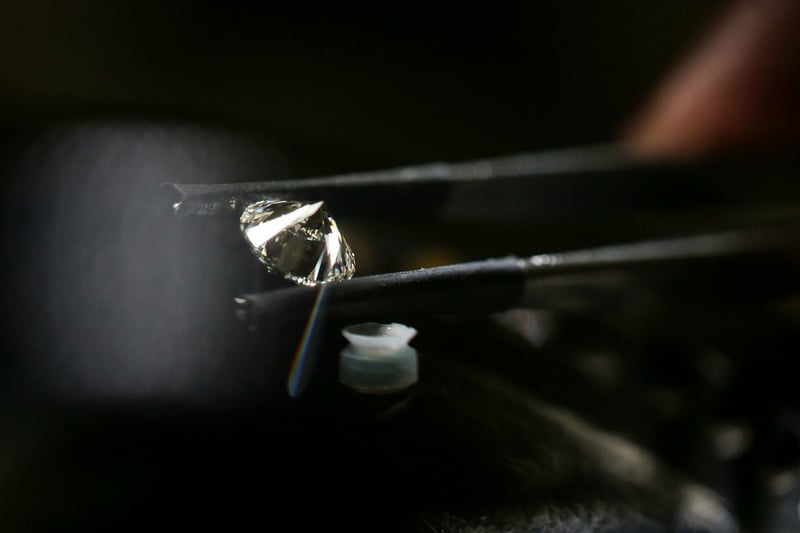
Russia is the largest supplier of rough diamonds, accounting for 30 percent of global production. The G7 and the EU now want to take action against this trade. However, Antwerp’s traders and Belgium are resisting.
The path to Tom Neys leads past a guardhouse with a barrier. The street in front of his office is closed to car traffic, with only several police vehicles parked here. Neys works at the Antwerp World Diamond Centre (AWDC) in Antwerp’s diamond district. The explanation for the high security:
says Neys.
According to the AWDC, 80 percent of all rough diamonds and 50 percent of all polished diamonds pass through Antwerp on their way to the end customer. This makes the Belgian port city the most important trading hub in the world.
Neys is a sought-after conversation partner these days, as the diamond industry finds itself on the defensive once again. The G7 and the EU are making a new attempt to impose sanctions on Russian “blood diamonds.”
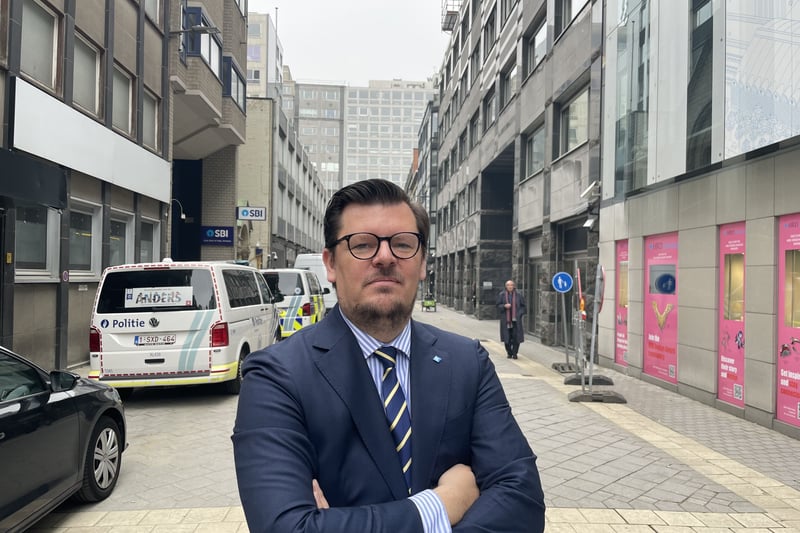
The prospect that one of their main sources could dry up alarms the traders.
warns Neys. Time is needed to adjust.
The plans of Western governments are still vague. The closing statement of the G7 summit over the weekend only stated that they want to continue working closely to restrict trade in diamonds from Russia – including through new technologies that can determine the origin of the gemstones. EU Council President Charles Michel announced, alluding to a James Bond title:
Such announcements are not well received in Antwerp. The city has already lost a lot of business to Dubai over the past 15 years, says Neys. Sanctions would accelerate the migration of companies to less regulated trading hubs like Dubai and Mumbai. In the end, Western governments would have less, not more, control over the diamond trade.
Indeed, Antwerp is under strong competitive pressure. The labor-intensive diamond cutting industry has long since moved to India because labor is cheaper there. Trade is also increasingly shifting because other locations require less paperwork.
Around 1,300 mostly small companies and several thousand jobs remain in the district around Hoveniersstraat. While it was primarily Jewish family businesses in the past, the district is now dominated by Indian companies.
The sector still has high symbolic value for the government because diamonds account for 15 percent of Belgian exports outside the EU. Belgium has therefore so far prevented EU sanctions against Russian diamonds – arguing that they would harm Antwerp more than Russia.
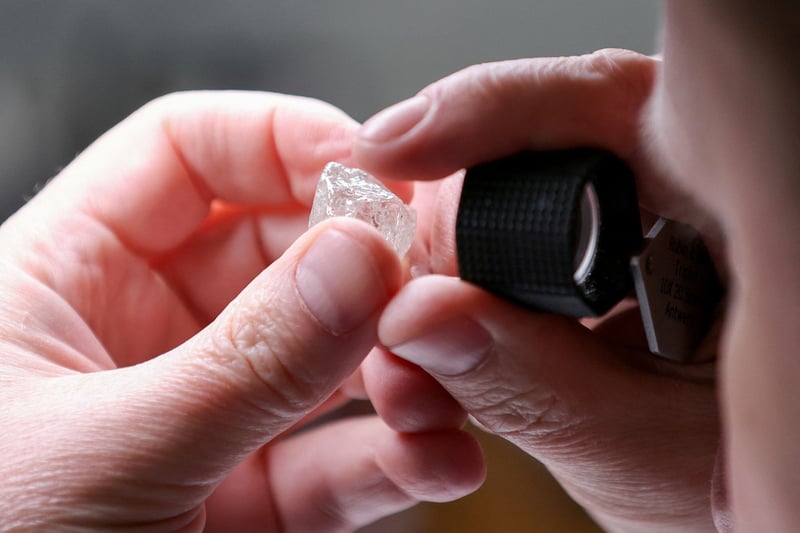
However, the industry’s supply chains have repeatedly come into focus since the Ukraine war. In the 1990s, there was a first public outcry over “blood diamonds” from Africa because they were used to finance civil wars. In 2003, the UN subsequently introduced the Kimberley Process, which requires state certificates of origin for rough diamonds.
The problem: The stones pass through so many hands on the way to the end customer that their origin is obscured. The two largest diamond producers are De Beers, a subsidiary of the British conglomerate Anglo American, and the Russian company Alrosa, which is partly state-owned. The mine operators sell the rough diamonds to about two dozen major traders. These mix stones from various producing countries and sell them on in bags.
The Kimberley certificate then usually only states “mixed origin.” This is why Russian diamonds continue to circulate in the USA – even though the US government announced an import ban a year ago. As soon as the Russian stones are cut in India, they are considered Indian diamonds and can be legally sold to America.
Hans Merket from the International Peace Information Service (IPIS), a think tank in Antwerp, says diamonds can easily change owners 30 times before they end up at the jeweler’s store.
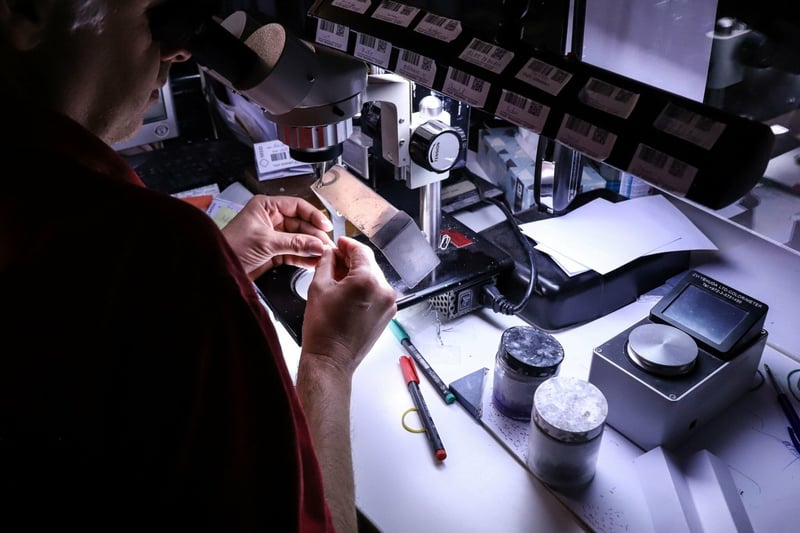
The G7 states have now committed to working on better proof of origin. However, traders want to prevent having to sort out Russian diamonds in the future and document every sales step. They fear for their profit margins, which they say are already slim. Neys also says that more forms are not a solution because companies could simply provide false information.