Editor’s Note
This analysis highlights a key trend reshaping the luxury sector: the growing reliance on a small, ultra-wealthy clientele. As broader markets soften, the strategic focus on “Very Important Clients” (VICs) is becoming a decisive factor for success, particularly in resilient segments like fine jewelry.
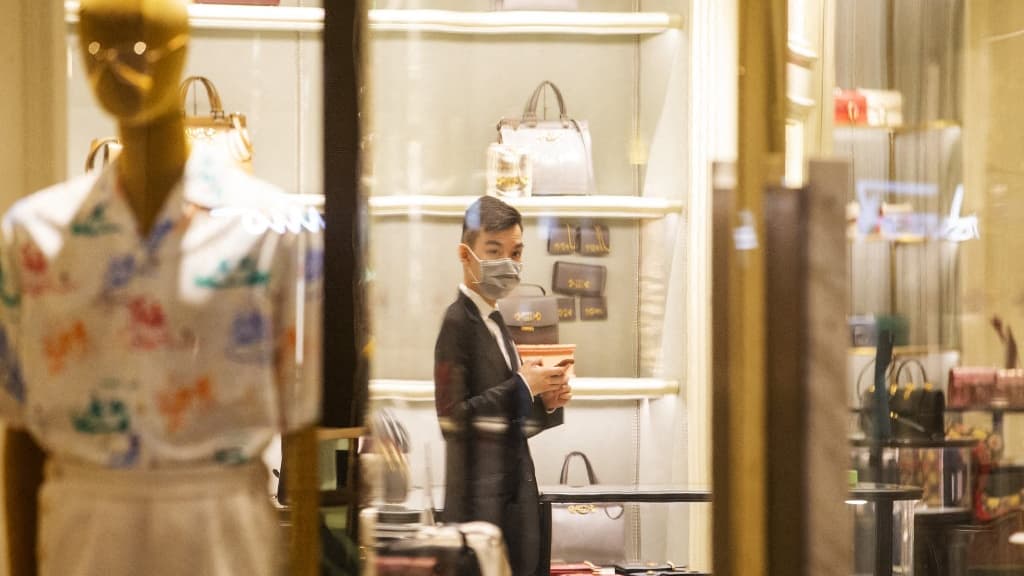
While the latest luxury results are not flourishing, certain sectors, such as jewelry, stand out, driven by a very particular clientele: the “Very Important Clients” (VICs). With superior purchasing power, privileged relationships, and personalized experiences, they are reshaping the priorities of luxury houses.
While French luxury giants LVMH and Kering report declining results for the first half of 2025, one stronghold resists and excels: jewelry. Against the gloomy trends of the sector, this segment benefits from precious support from a clientele with disproportionate purchasing power and unshakable loyalty: the VICs, or “Very Important Clients.”
More than a niche market, these clients are becoming the strategic axis for many houses. But who are these clients and how are they courted?
The decline is clear: LVMH saw its sales drop by 4% compared to last year, with its fashion and leather goods division down 8%. At Kering, revenue for the first half of 2025 is down 15%, notably marked by the loss of desirability shown by its flagship brand, Gucci. Indeed, the Italian fashion brand recorded revenue of 3 billion euros, 25% less than the previous year.
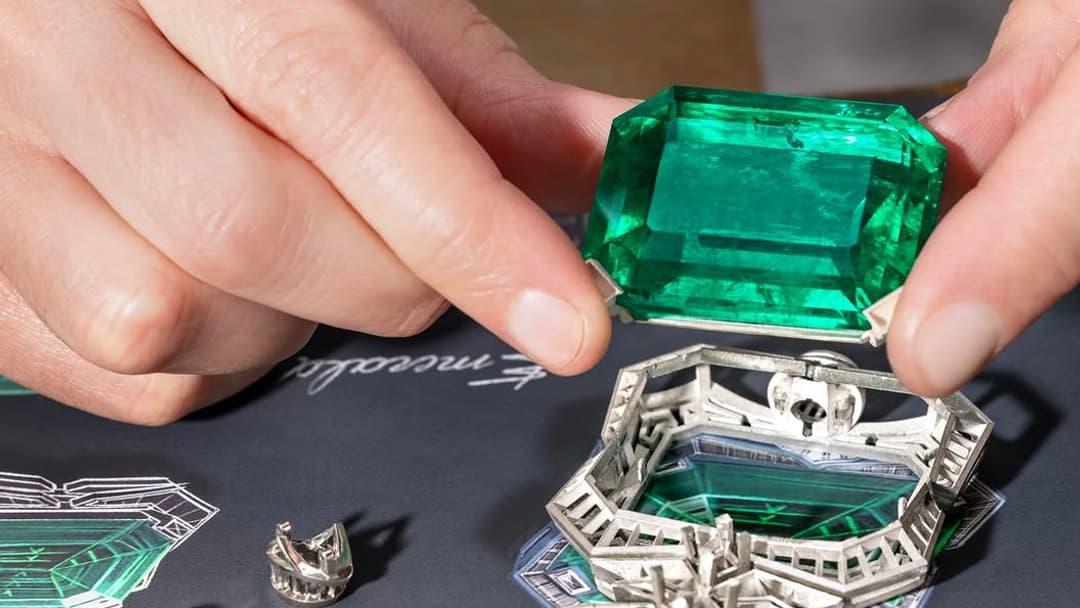
In contrast, Richemont, the Swiss group specialized in “hard luxury” (jewelry and watchmaking), shows an 11% increase, driven notably by the success of houses like Cartier or Van Cleef & Arpels. Why such a gap? As Deutsche Bank noted in April, jewelry is less penalized than other luxury sectors by the disappearance of the so-called “aspirational” clientele, which tends to opt for less expensive items.
This inevitably gives ideas to the competition. Recently, the house Bulgari, owned by the LVMH group, inaugurated the expansion of its Manifattura, bringing the space to 33,000 m² and thus becoming the largest single-brand jewelry site in the world. The goal: to double production capacity by 2029 and exceed 1,600 employees. An investment largely motivated by the growing demand… from “Very Important Clients.”
Indeed, jewelry and high jewelry, often seen as “safe-haven” assets, rely on a more stable and exclusive clientele, insensitive to economic fluctuations: the famous VICs, these buyers at the heart of growth strategies. Their profile is as discreet as it is influential. According to the Italian economic daily Il Sole 24 Ore, there are about 600,000 worldwide—a figure expected to reach one million by 2030—and they have an average basket 200 times larger than that of a typical client.
Their entry ticket? At least 50,000 euros in annual spending, and in some major luxury houses, it involves spending between 100,000 and 200,000 dollars per year to be considered a Very Important Client. These buyers reportedly account for over 213 billion euros in consumption per year, nearly a quarter of the sector’s global revenue for less than 1% of the clientele. According to Bain & Company, it’s even the richest 2% who concentrate 40% of luxury industry sales. A crucial lever in times of economic slowdown.
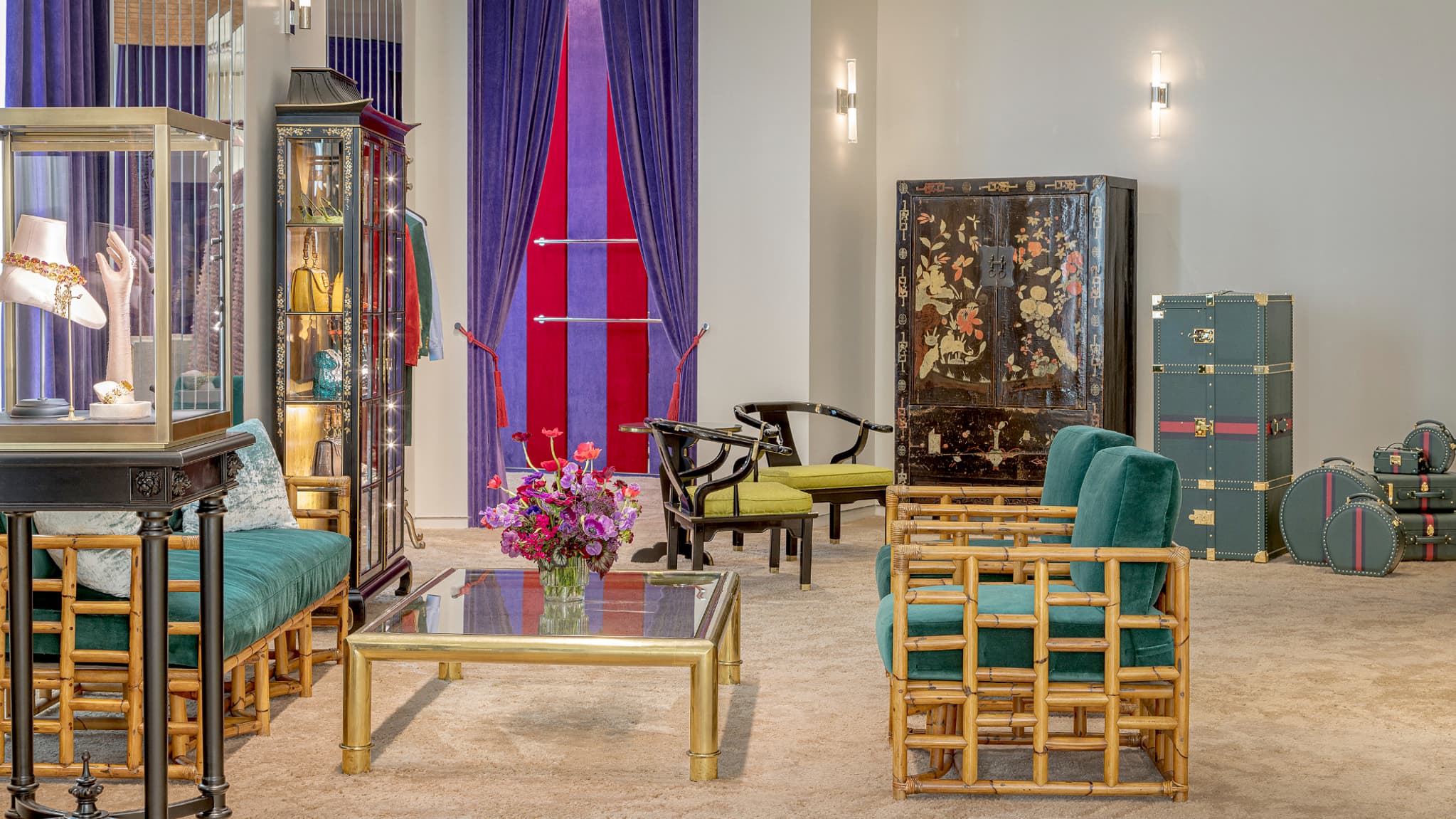
Confidential visits to workshops, dinners with creators, access to exclusive or custom pieces, front-row seats at fashion shows… Their loyalty is bought with attention and symbolic recognition.
Some houses have made this clientele a strategic axis: the luxury e-commerce platform Mytheresa has designed a VIC program around personal stylists and ultra-premium deliveries. Houses like Gucci, Dior, or Tiffany are multiplying private salons and bespoke experiences, far from standardized commerce. Like Boucheron, whose Place Vendôme boutique has a private salon with independent access to receive its VICs. On the agenda: meetings with artisans, presentations of unique masterpieces, and confidential receptions.
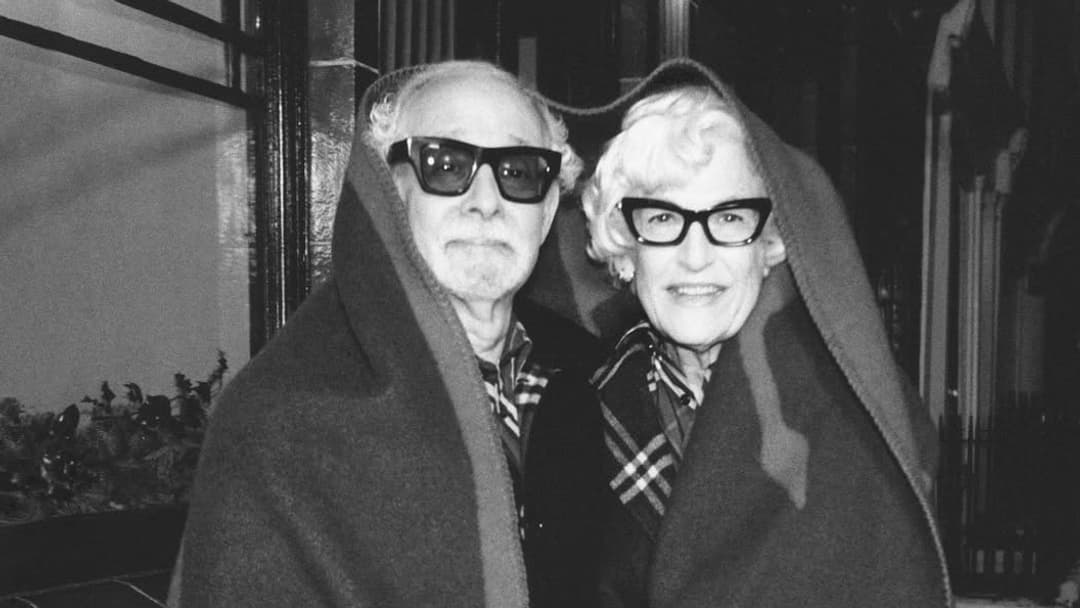
At the heart of this refined mechanism, one figure often remains in the shadows: the luxury salesperson. Or rather, the personal advisor. For these ultra-demanding clients, the commercial relationship becomes intimate. Exchanges go beyond the formal framework: private phone calls, texts at any hour, lunches, sending personalized gifts—these salespeople are more than ever the guarantors of exceptional sales whose amounts can reach record highs.