Editor’s Note
A recent forecast by Rothschild & Co suggests that Lao Pu Gold’s 2025 net revenue could exceed the China-market revenue of Richemont’s jewelry maisons, including Cartier. This projection highlights the shifting dynamics within the luxury sector.
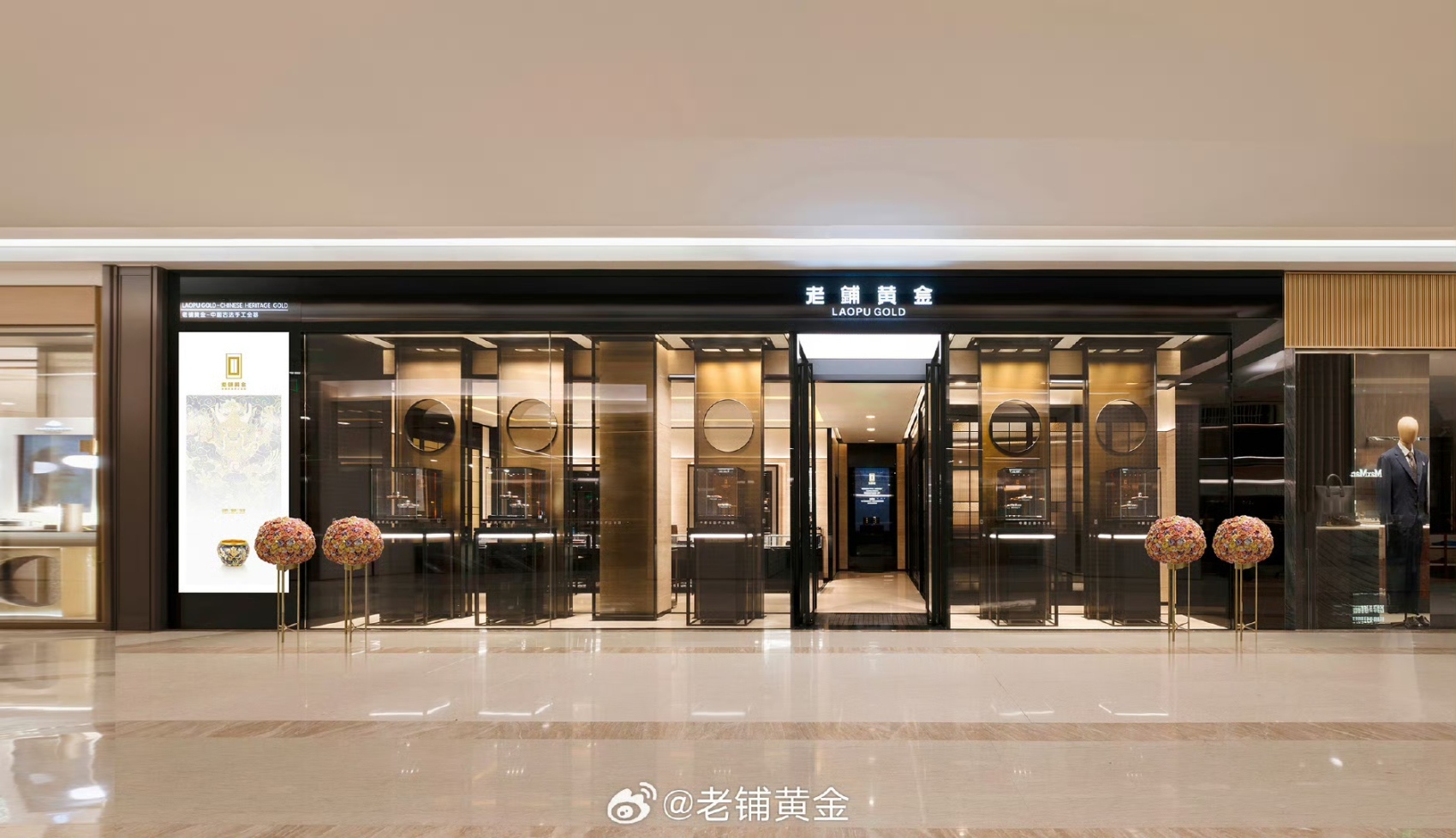
Rothschild & Co, one of the world’s largest independent financial advisory firms, recently released a luxury industry report indicating that Lao Pu Gold’s net revenue for 2025 is projected to surpass the revenue generated in the Chinese market by the jewelry business of Swiss group Richemont (which includes brands such as Cartier, Van Cleef & Arpels, and Buccellati).
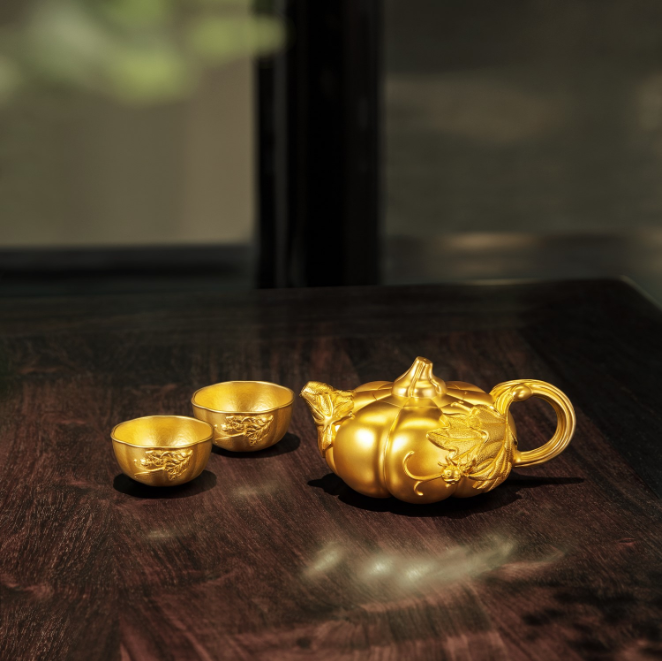
The report points out that Lao Pu Gold leverages cultural symbols and intangible cultural heritage craftsmanship to resonate with consumers seeking products that reflect traditional Chinese culture and values. This represents a significant difference in product positioning and brand identity compared to international brands like Cartier and Van Cleef & Arpels.
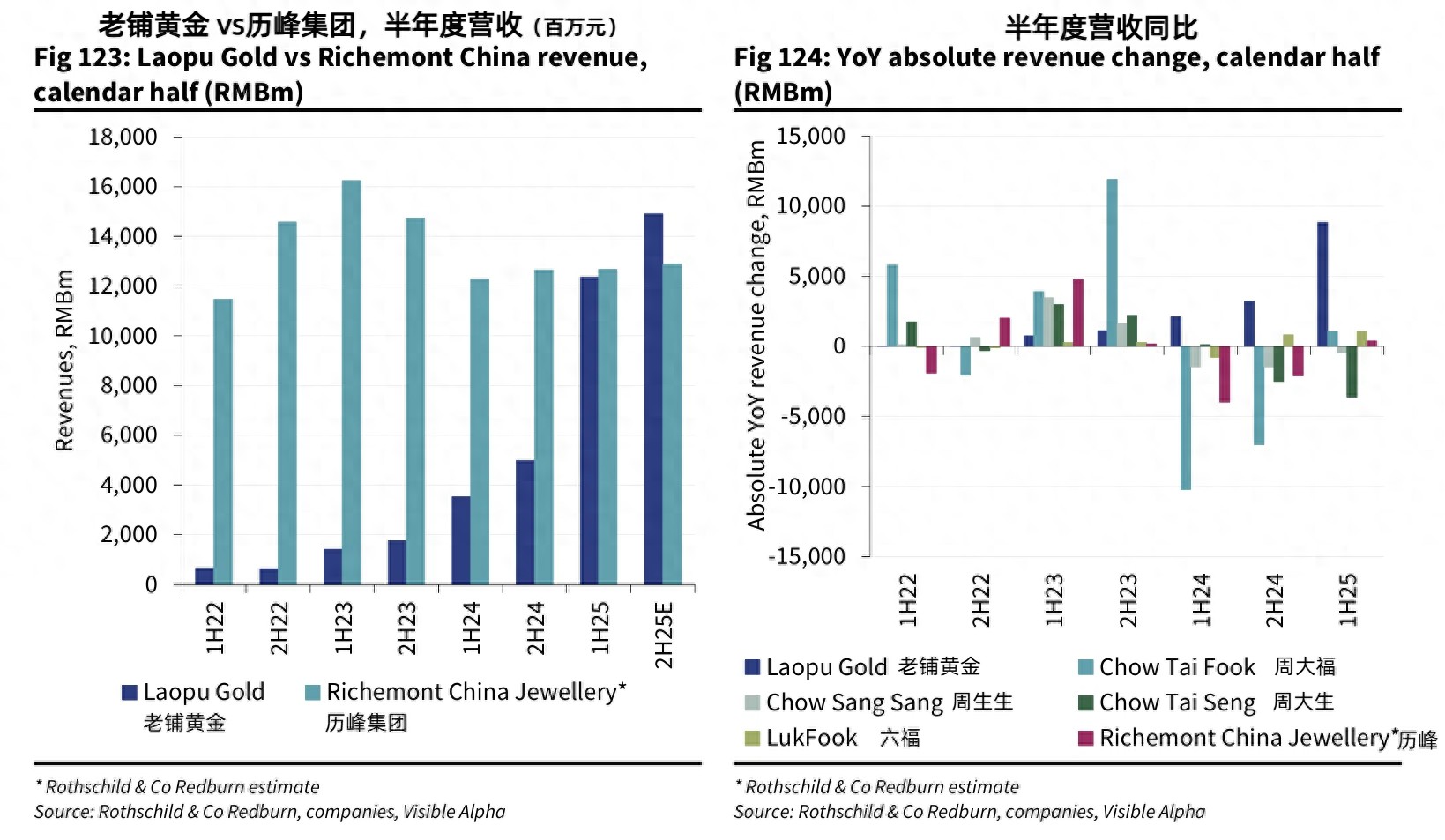
Lao Pu Gold’s financial report for the first half of 2025 shows that the company’s revenue surged 251.0% year-on-year to RMB 12.354 billion. During the period, Lao Pu Gold achieved an average sales revenue of approximately RMB 459 million per shopping mall. According to Frost & Sullivan data cited in the report, among all jewelry brands (including both international and domestic), Lao Pu Gold ranked first in mainland China for both average revenue per store and sales per square meter.
Lao Pu Gold’s half-year report also disclosed that it continues to capture market share in the high-end consumer market, with its high-net-worth customer base expanding. The average overlap rate between its consumers and those of the five major international luxury brands—Louis Vuitton, Hermès, Cartier, Bulgari, and Tiffany—is as high as 77.3%.
Richemont’s latest report for the first half of fiscal year 2026, ending September 30, 2025, shows that the global total sales of its Jewelry Maisons grew 9% at actual exchange rates to €7.7 billion (approximately RMB 67.5 billion).