Editor’s Note
Spain is making a major strategic investment to become a global leader in the production of synthetic diamond for semiconductors. This article details the €2.35 billion public-private partnership and the ambition behind a new plant in Trujillo, highlighting both the significant potential and the current challenges of this advanced material for high-performance chips.
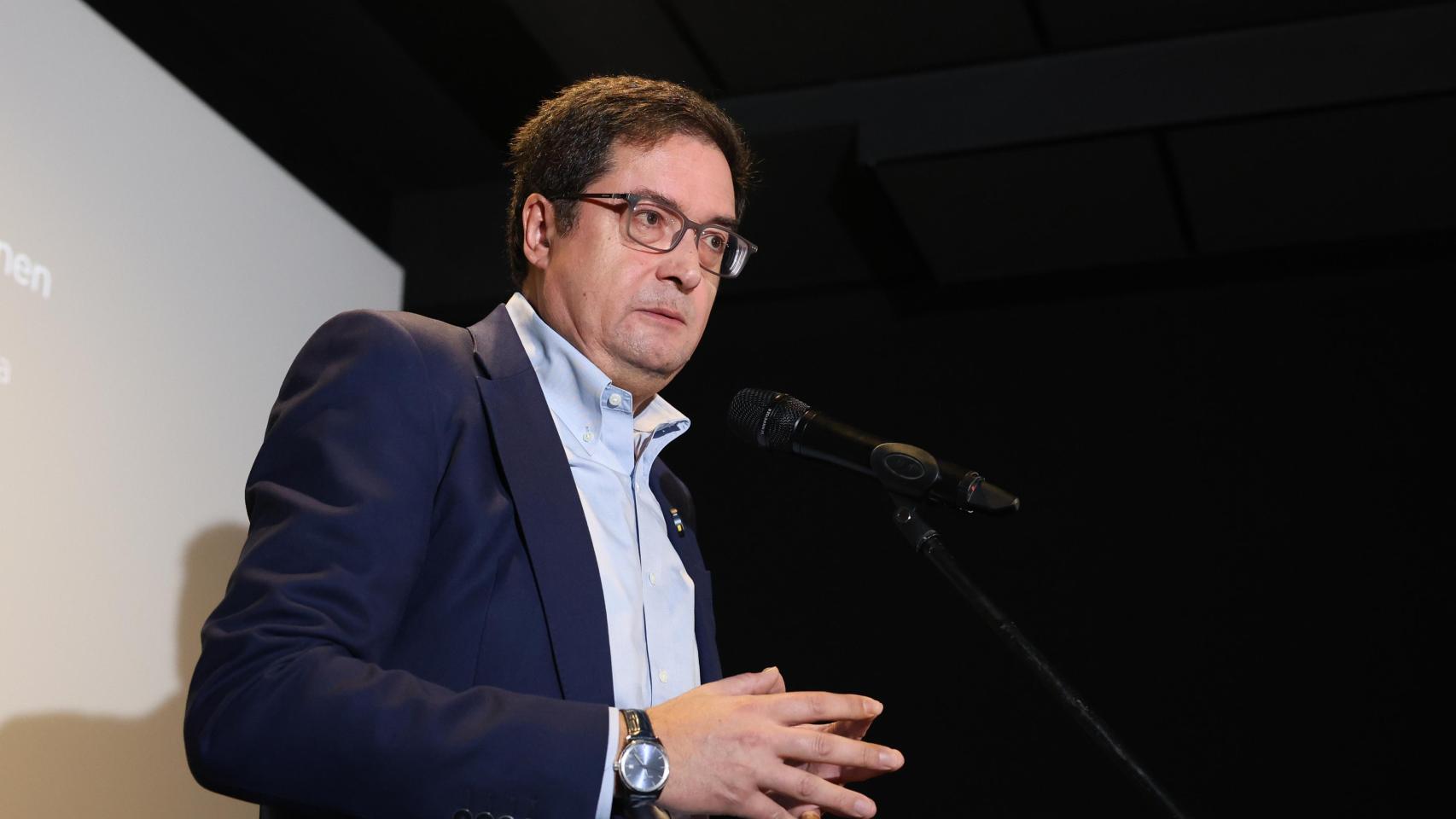
The Spanish government will invest €752 million, as part of a total €2.35 billion, to boost the production of synthetic diamond for high-performance chips in collaboration with the American company Diamond Foundry.
The new plant in Trujillo aims to position Spain as the world’s largest production center for synthetic diamond for microchips, although the global industry is still far from mass adoption of this technology.
The government forecasts an economic impact exceeding €2.15 billion over ten years and the creation of around 500 direct jobs, but success will depend on the real demand for diamond-based chips.
Spain continues to fail in attracting major silicon fabs after setbacks like those with Broadcom and Rapidus, remaining relegated in the industrial semiconductor sector despite investments in research and technology centers.
The Spanish Society for Technological Transformation (SETT) will invest €752 million to create a joint venture with the American Diamond Foundry (from a total investment of €2.35 billion) and expand its activity in Trujillo, where it already produces synthetic diamond ingots.

The goal is to transform them into substrates for high-performance chips and build a plant that, according to Moncloa, will make Spain “the world’s largest center” for this material.
As context, monocrystalline diamond (identical to natural diamond and currently used mainly in precision cutting and optics) offers superior electrical and thermal properties to silicon. On paper, it can operate at high voltages, extreme temperatures, and high frequencies, making it a candidate for critical applications in defense, automotive, or power electronics.
The new plant promises to expand current production capacity and incorporate cutting, lapping, and polishing processes to generate complete wafers. But the key question remains the same that looms over the entire Spanish semiconductor strategy: is there sufficient, validated, and sustained demand to justify these investments?
The government estimates that the economic impact will exceed €2.15 billion in ten years and that around 500 direct jobs will be created, but those figures will depend on something much more prosaic than announcements: that major manufacturers truly want diamond-based chips and buy them on an industrial scale.

The fiasco of the agreement with Broadcom, which was to bring an investment of over €1 billion for a microchip packaging plant, was a direct blow to the Spanish strategy: industry sources indicate that the loss of the project leaves Spain out of a key segment and delays its industrial aspirations by years.
Another case was the cancellation of the installation of an advanced chip plant by Rapidus, after failed negotiations due to a lack of competitive conditions and incentives at the level of other European countries, highlighting Spain’s disadvantage in attracting large manufacturers.
Of major announcements, the government can only boast about the IMEC research center, which will build a facility in Malaga; although this is not an industrial production plant with significant economic impact.
In the field of R&D, the bet on sustainable microchips set a precedent with the €9.5 million investment in the company Ideaded and the inauguration of the first national pilot plant. Although it is an advance in new materials, the global scale of investment is limited and does not cover even 1% of the national semiconductor market.
For its part, the Chip Missions grants, with up to €80 million allocated to collaborative projects, have had low impact, and many SMEs bitterly complained about administrative complexity and delays in effectively accessing the funds.