Editor’s Note
This article examines the persistent challenge of battery degradation in electric vehicles, a key factor affecting consumer confidence and market adoption. It highlights how operational factors accelerate capacity loss and explores the broader implications for sustainability and cost.
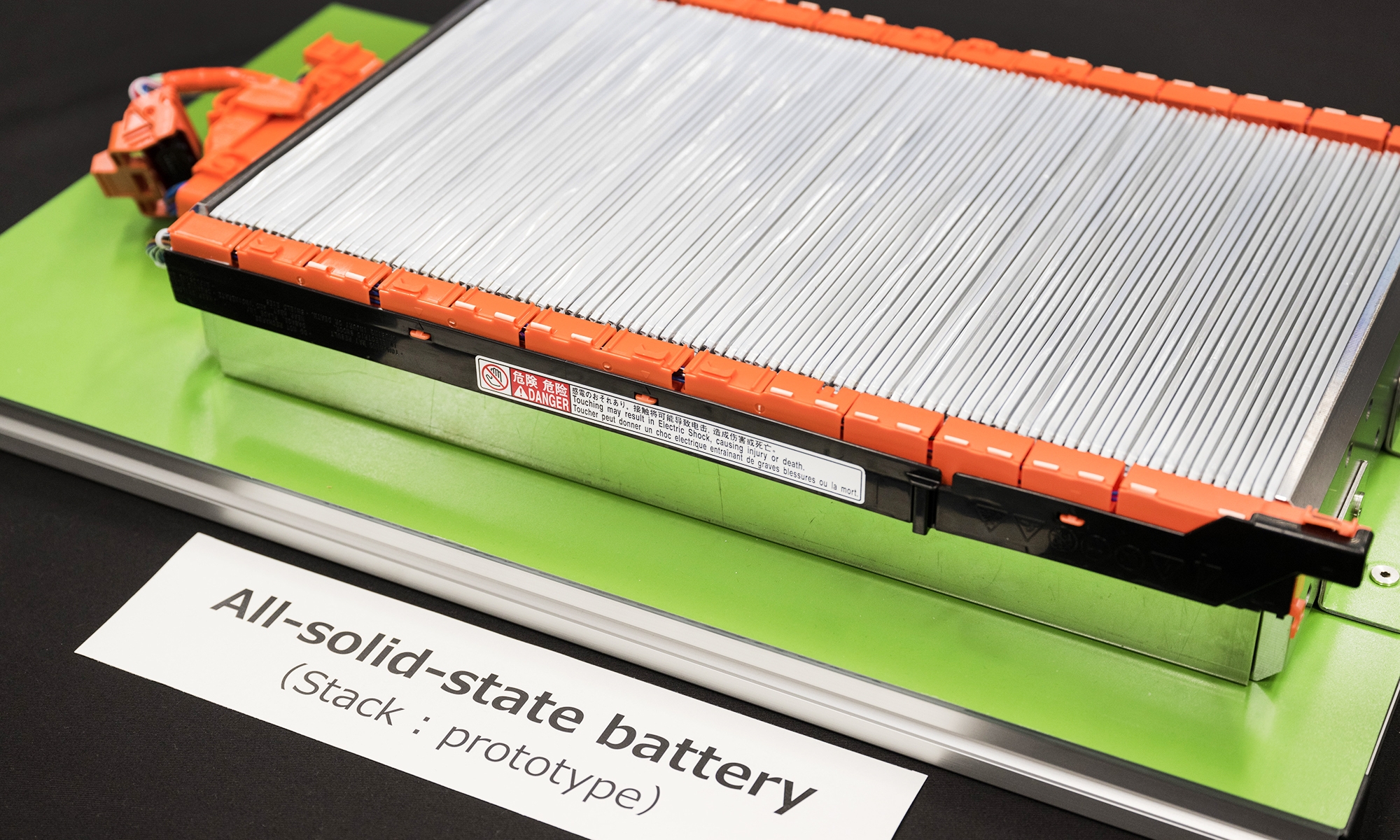
The progressive degradation of electric vehicle batteries has become one of the main challenges for consolidating their massive presence in the market. Although lithium-ion chemistries have improved notably, charge and discharge cycles, high temperatures, and the practice of fast charging accelerate cell wear. Over the years, an electric car can lose between 20% and 30% of its original capacity, which generates uncertainty for the user.
Furthermore, replacing batteries at the end of their useful life entails a considerable economic outlay that penalizes the car’s residual value and may discourage its purchase. Can you imagine a battery (in this case, actually, a cell) that never needs charging? A primary battery with enough charge to last far beyond the car’s useful life. These batteries exist, but there is a problem with them.
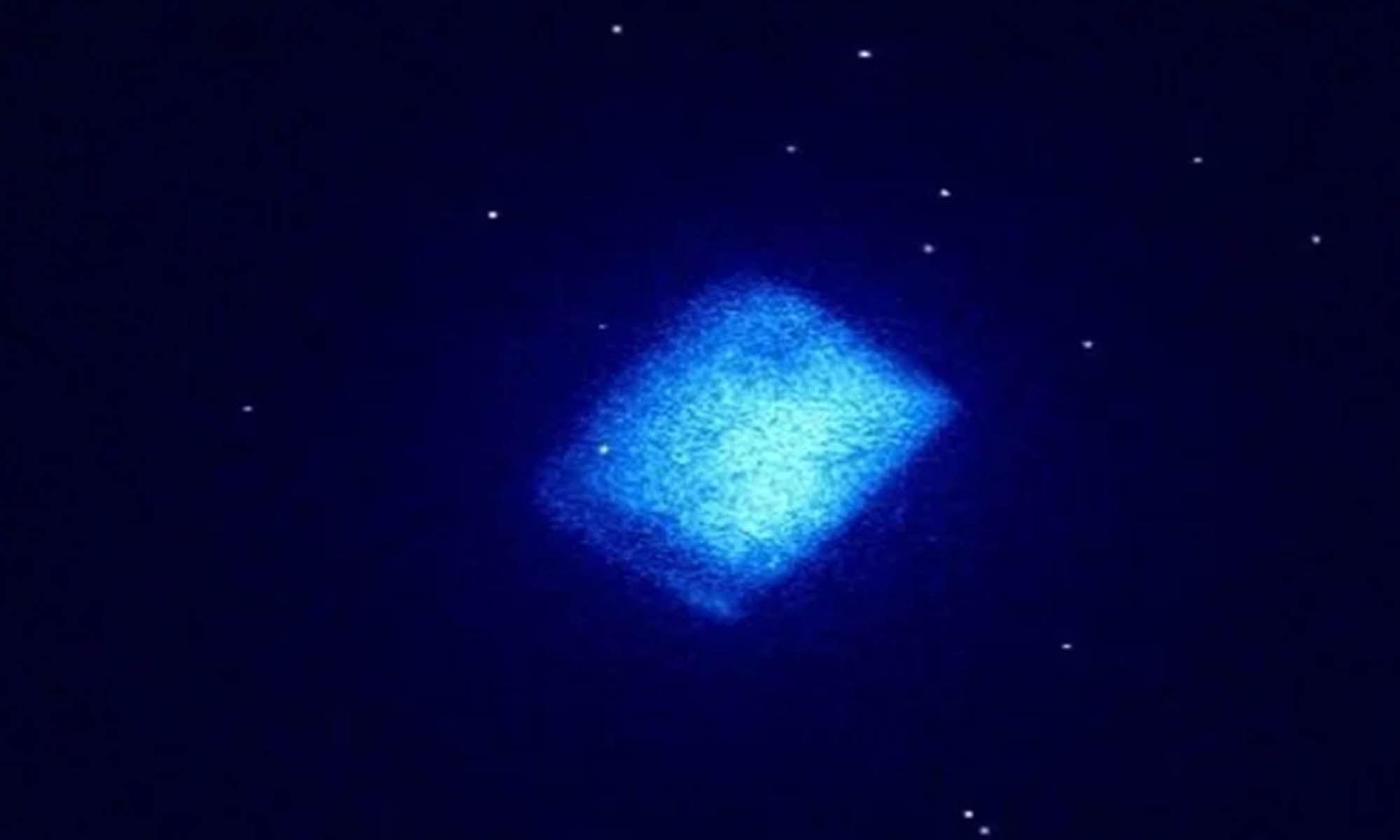
For the first time, a joint team from the UK Atomic Energy Authority (UKAEA) and the University of Bristol has managed to manufacture a diamond battery by harnessing the radioactive decay of the isotope carbon-14.
With a half-life of around 5,700 years, this form of nuclear energy promises unprecedented durability, ideal for applications requiring a source that operates for decades or centuries without replacement.
By enclosing the carbon-14 in a synthetic diamond casing, the researchers have designed an accumulator that converts the emission of subatomic particles into micro-watt currents. Although its power is limited, barely a millionth of a watt, its stability and longevity could be revolutionary for low-power devices in remote or inaccessible environments.
The creation of these radioactive diamonds requires the use of an advanced plasma deposition platform, also developed by the British team, which now stands as the basis for future production lines.

Previously, UKAEA and Bristol had experimented with diamond batteries based on nickel-63, another radioisotope, laying the foundations for this technology. Among its potential applications, space exploration stands out, where equipment, such as radio frequency tags for communication and tracking, cannot undergo maintenance, as well as implantable medicine.
These carbon-14 batteries thus open a new horizon in sustainable and long-lasting energy storage.