Editor’s Note
The rapid ascent of lab-grown diamonds is more than a niche trend; it’s a fundamental shift in the global jewelry market. As consumer preferences evolve toward ethical sourcing and value, this technology-driven sector is seeing explosive growth, fundamentally altering industry dynamics.
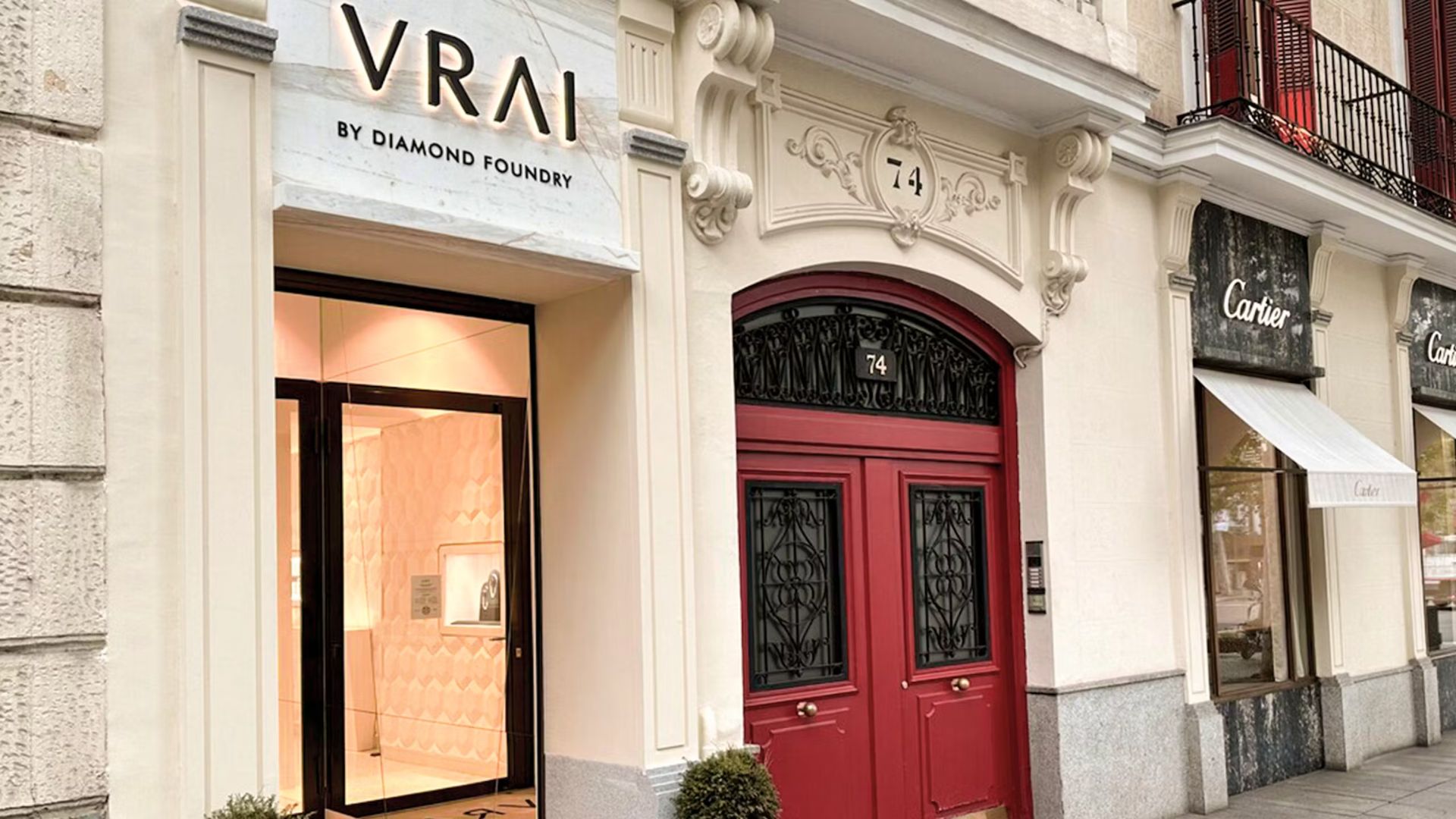
The rise of lab-created diamonds is transforming the jewelry industry. Spain now has specialized spaces where customers can view, try on, and order these pieces with guaranteed brilliance and origin.
According to the latest report from the consultancy Tenoris, in April 2025, sales of natural diamonds in the U.S. fell by 5.6%, while jewelry with lab-grown diamonds grew by 48% in units sold and 37% in revenue. This trend responds to a shift in consumer habits: buyers are seeking more competitive prices, sustainability, and full traceability, without sacrificing the optical and physical quality of natural diamonds.
In Spain, although the market is smaller, the supply is growing with the arrival of international brands and the opening of specialized showrooms in cities like Madrid and Barcelona.
One of the most notable cases is the showroom of VRAI, an American brand from the Diamond Foundry group, opened at 74 Serrano Street in Madrid. There, customers can view and purchase pieces created with diamonds cultivated in their Washington State factory, where —according to the company— carbon from greenhouse gases is crystallized using zero-emission hydroelectric power.
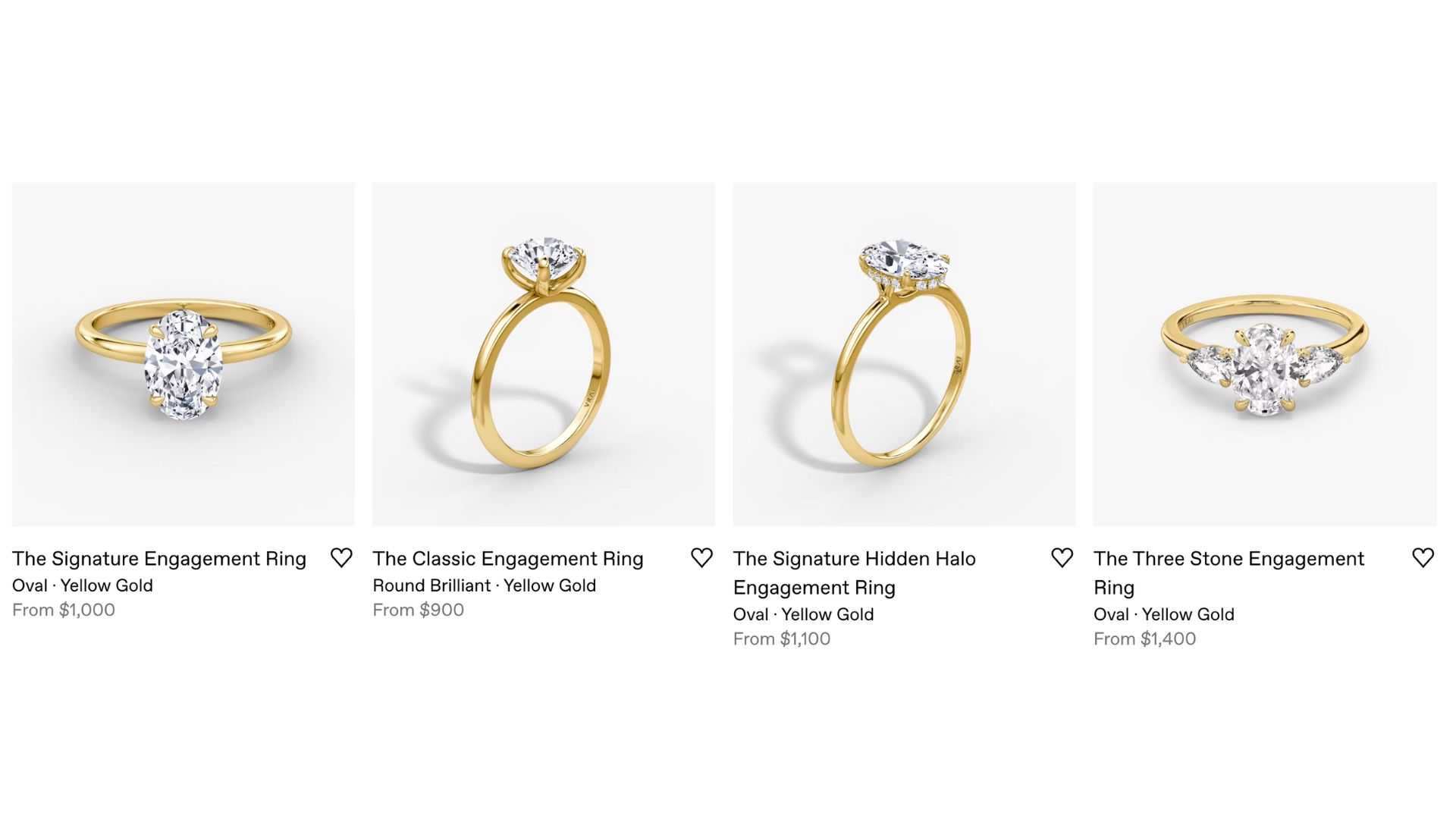
Among its most in-demand pieces are solitaire earrings, tennis necklaces, and engagement rings with brilliant, oval, emerald, or princess cuts.
Spain is adding more and more stores and showrooms for jewelry with synthetic diamonds, with more accessible prices and guaranteed traceability. In a synthetic diamond showroom, one can find everything from minimalist designs to high jewelry pieces.
- Solitare Earrings: starting from around 300-400 euros.
- Solitare Pendants and Simple Bracelets: between 500 and 1,500 euros.
- Engagement Rings and Tennis Necklaces: from 2,000 to over 5,000 euros, depending on the size and purity of the stone.
The savings compared to a natural diamond of equal size and quality can reach 80%, according to the Tenoris consultancy.
- Verify the Certificate: Lab-grown diamonds should be accompanied by a report detailing cut, color, clarity, and carats.
- Compare Offers: Synthetic production allows for greater price variation, so it’s advisable to visit several stores.
- Evaluate the Warranty: Some brands, like VRAI, offer a lifetime warranty on the value of the gem.
- Consult Customization Options: Ordering a specific cut or design can increase the sentimental value and exclusivity of the jewelry.
The growth of jewelry with lab-grown diamonds is not limited to online sales: more and more brands are betting on physical spaces where customers can experience the purchase in a traditional way. Madrid and Barcelona are already benchmarks in this regard, and new openings are expected to accompany the growth forecast for this segment in 2026.