Editor’s Note
This article highlights the dual focus on operational flexibility and sustainability in the luxury watch industry, as exemplified by Cartier’s strategic investments under CEO Cyrille Vigneron. It underscores a broader industry shift where industrial innovation and environmental responsibility are becoming inseparable pillars of long-term strategy.
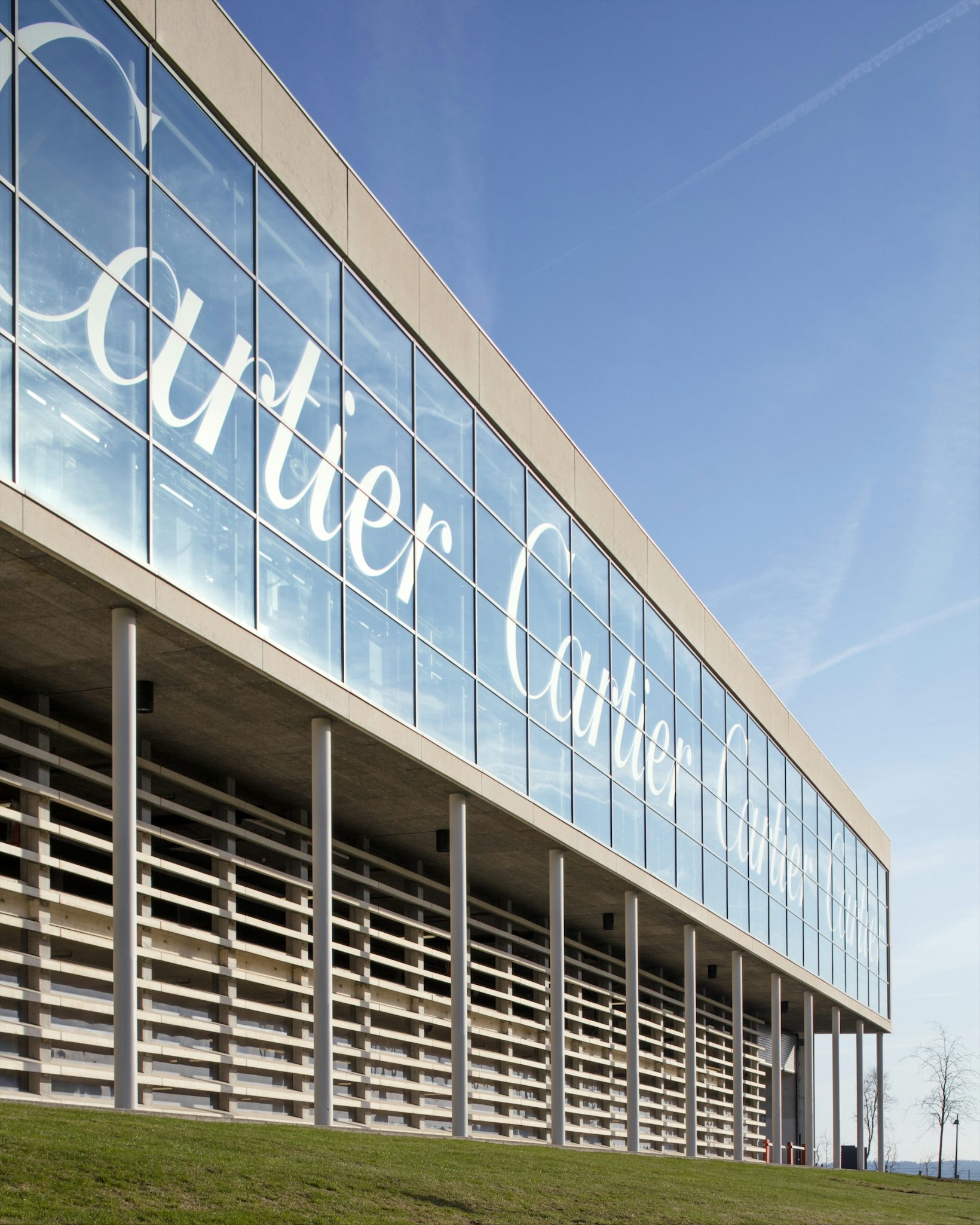
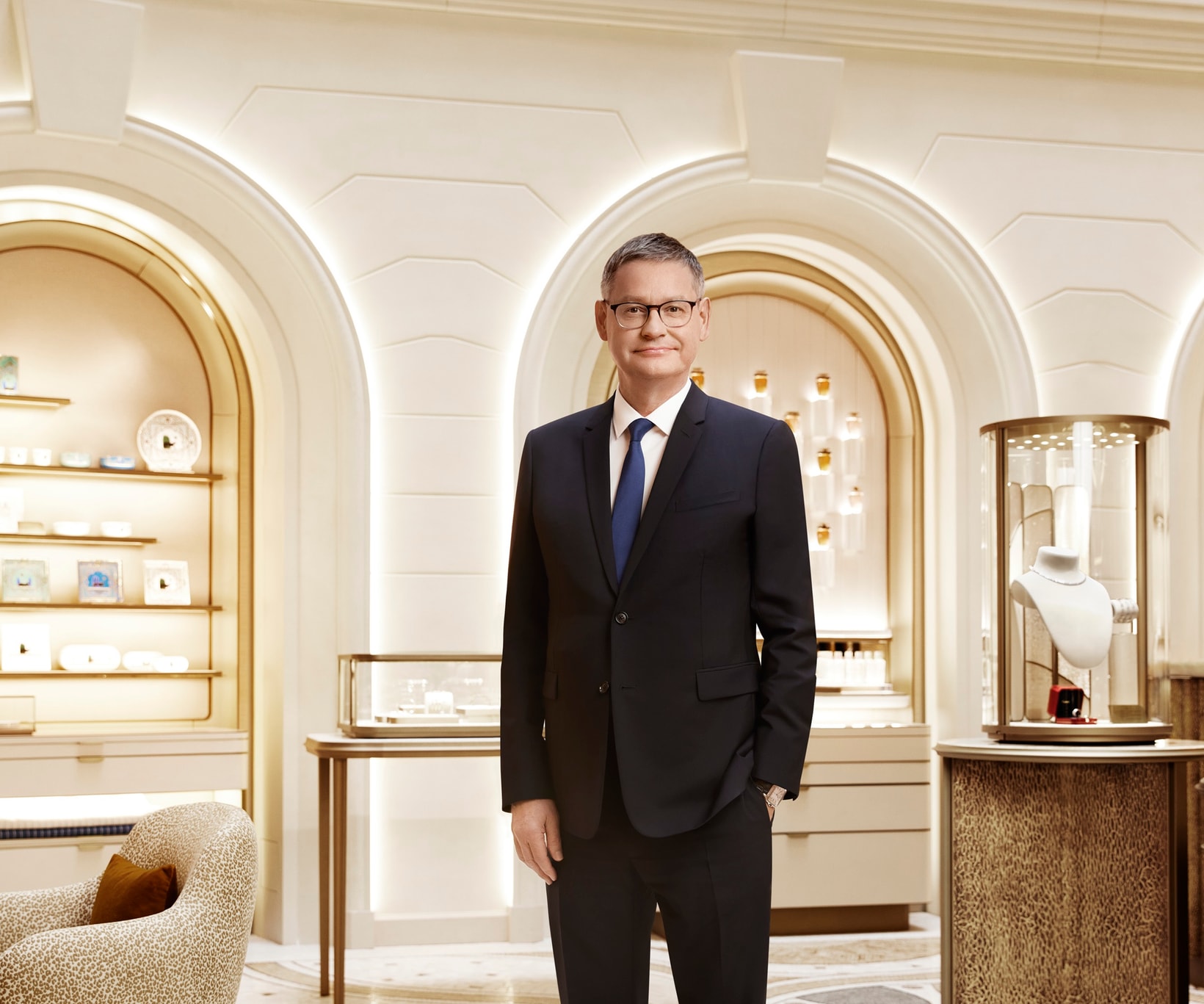
Making the industrial tool as flexible and versatile as possible is the major challenge for all watch brand executives. Cyrille Vigneron, President and CEO of Cartier, has been working for five years to optimize all of the brand’s sites. Investment in green energy production is also a key strategic lever.
If the prospects for 2023 are, overall, good for the entire watch industry on the fourth day of the Watches & Wonders show in Geneva, this is also the observation of Cyrille Vigneron, President and CEO of Cartier.
For Cartier, Watches & Wonders is “a general communication event about watchmaking, a very important pulse-taking of the industry.” In this context, the brand has every interest in showing what it does and measuring its impact. An observatory of what will guide the success or adaptation of certain models. For the one who has led the brand since 2016, “it is important to take intentions, more than orders delivered months later, because who can say what the world will be like in twenty-four months?” It is therefore strategic to make the industrial tool as flexible and versatile as possible, in order to react quickly to the world’s upheavals. In an interview with a few French-speaking journalists, Cyrille Vigneron explains how Cartier adapts its production chains and uses artificial intelligence to better respond to issues.
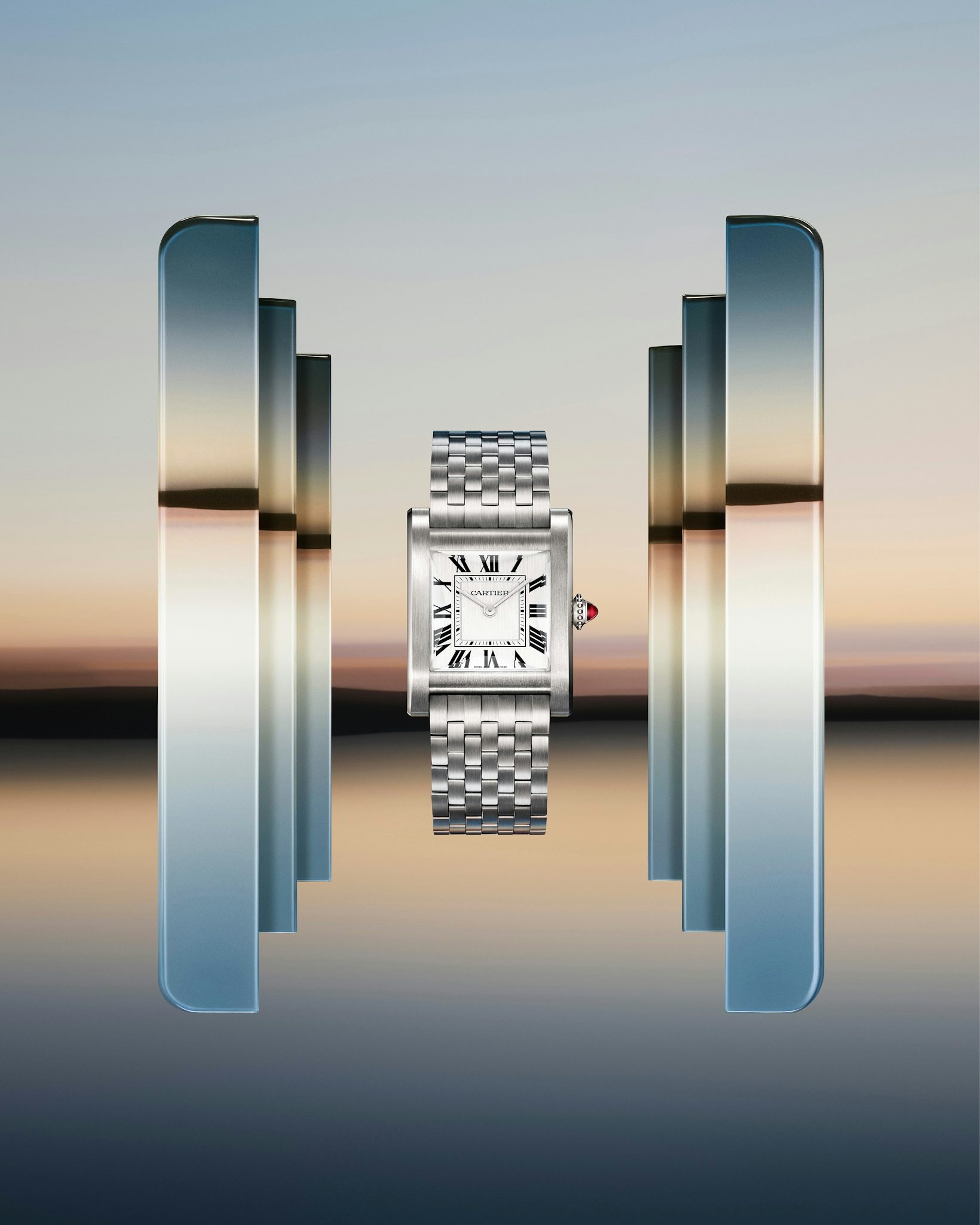
Watchmaking is a market of distinction, so it is important to have a clear brand image. And in this area, Cartier is the watchmaker of shapes. Everything starts from design. It is within this framework that innovation enriches the watch with a number of innovations, such as the solar dial. Cartier’s aesthetic is timeless, it is difficult to date it. This year, the Tank Normale, the Panthère de Cartier or the Baignoire are very identifiable and timeless.
When revisiting icons, it is important to have a beautiful offering in all price ranges. We replaced the Tank Solo with the Tank Must, which has an older, but stronger design. The French Tank has also been revisited. It is now in steel, gold and set. This year, there is more visibility on more sophisticated products, in gold or set, because the entry-level part has already been well established. There is a slight price adjustment, due to raw material costs, particularly on platinum, diamond, but also due to the strong Swiss franc.
We have moved from an industry that had between nine and twelve months of inertia to two or three months. When Covid hit China, no one was in the stores anymore. Then, when the Zero-Covid policy stopped, the opposite movement occurred. The scale of both was considerable and difficult to anticipate.
We have implemented industrial flexibility, allowing for variable internal and external capacities. This variability is not based on employment, which remains fixed, but on production processes that can evolve. The more automated they are, the more it works, meaning we can go from one, to two, or even three shifts. The future in terms of flexibility lies in short supply chains, to change volume fairly quickly, within the manufacture. This implies sharing technologies with suppliers, so they are on the same cycles. We have also worked on synergies between watchmaking and jewelry, where production sites are not the same, and to be able to switch quickly from one site to another.
Search keywords: logistics report supply chain jewelry