Editor’s Note
This article explores the subtle yet significant shifts occurring within Colombia’s jewelry sector, where storied family houses are evolving to meet modern demands for authenticity and sustainable craftsmanship.
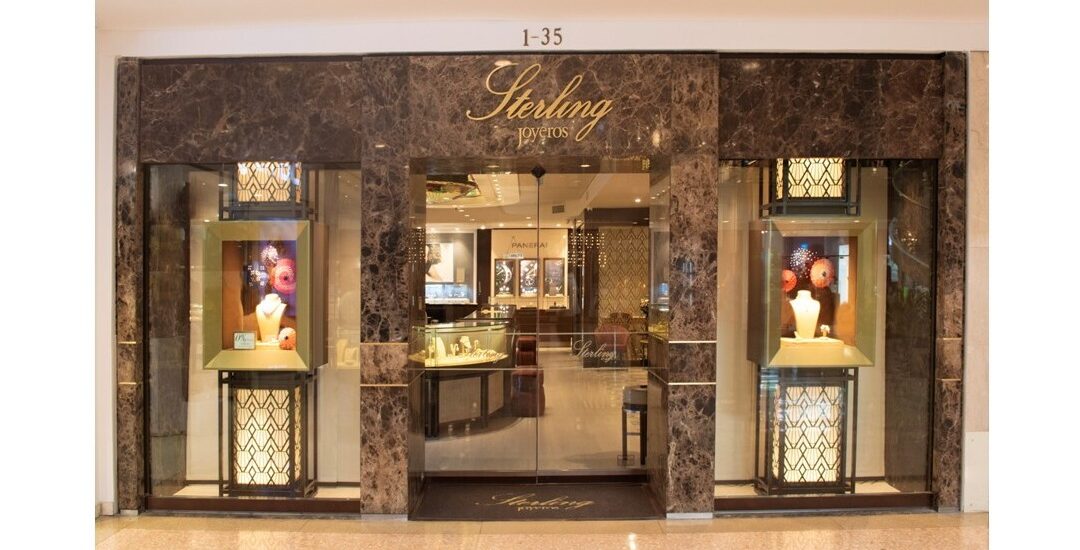
The Colombian jewelry market is undergoing a quiet transformation. Traditional houses, which for decades were symbols of elegance and family heritage, are adapting to a new consumer who values authenticity, sustainability, and an emotional connection with the items they purchase. In this context, Sterling Joyeros, with over fifty years of history, is joining this movement with a renewal that seeks to maintain its legacy while speaking the language of the present.
The brand, which has accompanied generations of clients during life’s emblematic moments, will officially present its new image in November with the reopening of its store in the Andino Shopping Center in Bogotá. This is not just a physical remodel but an evolution strategy to stay relevant to a younger consumer, aged 18 to 55, who appreciates tradition but demands closeness, versatility, and transparency in the shopping experience.
According to data from Expert Market Research, the Colombian jewelry market will grow at an average annual rate of 4.9% between 2025 and 2034, driven by a revaluation of artisanal luxury and interest in pieces with history. However, the luxury segment—to which Sterling belongs—will have more moderate growth of 2.2% annually, according to analysis by Cognitive Market Research, forcing brands to redefine their role to avoid falling behind.
Globally, The Business Research Company’s “Jewelry and Silverware Global Market Report” projects the industry will reach $227 billion in 2025, with consumers prioritizing durability, traceability, and ethical production. This context has driven several traditional jewelers to modernize their offerings, both in aesthetics and brand narrative, to align with the “conscious luxury” trend.
Sterling, which had already experimented with this change at its new location in Medellín, is adopting a closer, more everyday approach, inviting customers to wear jewelry beyond special occasions.
summarizes its new philosophy, a phrase that seems to encapsulate the sector’s shift: moving from exclusive luxury to lived luxury.
In addition to renewing its image, the brand continues to strengthen the experience that has always characterized it: closeness, exclusivity, and innovation. Both the Sterling Card, created in the 1980s as a pioneer in offering its own credit system, and the jewelry maintenance and cleaning service, which is part of its historical legacy, reflect Sterling’s innovation and commitment to quality and customer satisfaction.
The challenge, as noted by studies from 6W Research and Polaris Market Research, will be to compete with the dynamism of the global market and attract new generations without losing the values that underpin the trust built over decades. The bet is complex but necessary: in an industry where luxury is being redefined, the brands that survive are not the most ostentatious, but the most authentic.
Sterling’s renewal is, in that sense, more than an image change: it is a reflection of how Colombian luxury seeks to renew itself to remain relevant in a world where jewelry is not just purchased, but tells stories.