Editor’s Note
The recent, unprecedented surge in precious metal prices is reshaping market dynamics and consumer behavior. This report from Rajasthan highlights the immediate shock within local bullion and jewellery markets, underscoring the broader economic pressures at play. Such volatility warrants close observation by investors and policymakers alike.
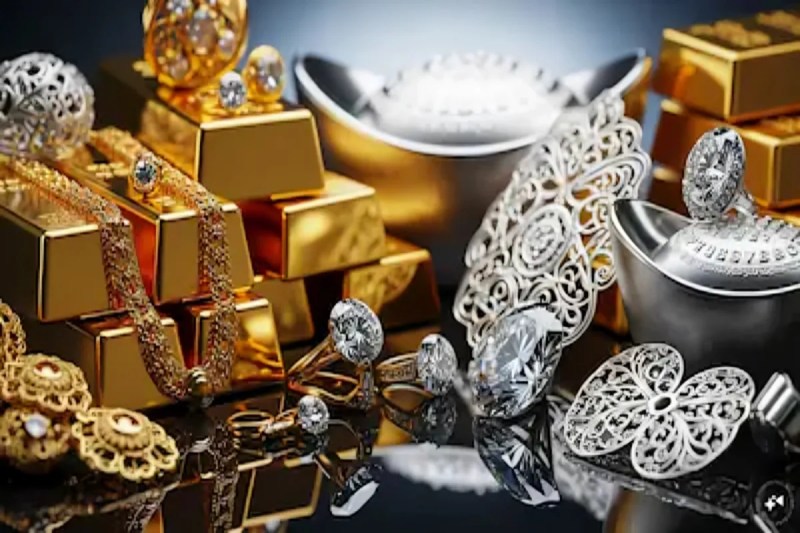
The unprecedented surge in gold and silver prices has left the bullion and jewellery markets in Rajasthan stunned. On Thursday, silver reached ₹4 lakh per kilogram and gold touched ₹1.84 lakh per 10 grams. In January alone, gold prices have risen by approximately ₹50,000 per 10 grams, while silver has surged by ₹1.65 lakh per kilogram.
Business has come to a standstill in Jodhpur, Bikaner, Jaisalmer, and Barmer. Artisans are sitting idle with no work in the shops. Orders taken at old prices have now become loss-making deals for jewellers. Small traders are on the verge of shutting down their businesses.
Customers have vanished from the market. Even when they occasionally appear, shopkeepers cannot afford to buy new stock at the same price they sell their existing goods. Low-capital traders are facing the prospect of closing their shops.
Bullion traders in Udaipur are suffering heavy losses. They are not receiving fresh silver supplies and are in a state of confusion. While traders are determined to stay in the market despite crores in losses, those who have taken loans are on the brink of ruin.
Only those with old stock are making profits. One trader explained that he had to fulfil an order for half a kilogram of gold jewellery at a previously agreed rate of ₹78,000 per tola, which is now a loss-making deal. Only influential players are managing to do business now. The situation is similar in Hanumangarh.
This price surge has become a problem for most traders. While those holding old stock may have profited, customers are absent. Disputes have arisen between consumers and traders, as many customers who bought gold and silver at lower prices are now making payments.
In the tribal-dominated district of Banswara, people buy more silver than gold. However, at this time, customers have completely withdrawn from the market. In Ajmer too, traders are unable to make profits. In Jalore, daily small purchases have decreased by 80%.
V. Anantha Nageswaran, India’s Chief Economic Adviser, stated that the surge in gold and silver is not solely due to war or geopolitical tensions, but also because people are beginning to question the value of the world’s fiat currencies (like the Dollar, Euro, etc.). Consequently, people are buying more gold as a safe investment. This global trend could keep gold and silver strong going forward.