Editor’s Note
To mark its 130th anniversary, Guadeloupe’s Longueteau distillery has created the world’s most expensive bottle of agricultural rum. Priced at €130,000, this unique piece combines rare aged spirits with high jewelry and French craftsmanship, signaling a bold entry into the luxury collector’s market.
To celebrate its 130th anniversary, the Guadeloupean family-owned Longueteau distillery unveils the most expensive bottle of agricultural rum ever created. This unique piece blends exceptional rum, high jewelry, and French craftsmanship, conceived as a collector’s item and a strong signal to the global luxury market. Its price: 130,000 euros.
The Longueteau rum house and the jeweler Odace have imagined an exceptional cuvée, a blend of the distillery’s oldest eaux-de-vie, presented in a bottle crafted like a precious case. Priced at 130,000 euros, this project will be unveiled on Thursday, February 5th in Paris, in the hope of finding a buyer.
The result of over a year of work, this bottle of agricultural rum far exceeds the function of a container to become a full-fledged work of art. Sculpted in glass paste using a rare artisanal technique, the bottle is directly inspired by the geometry of the sugarcane, the founding raw material of agricultural rum. The work on texture and light pays homage to what the Longueteau family considers a treasure: the land, the cane, and time.
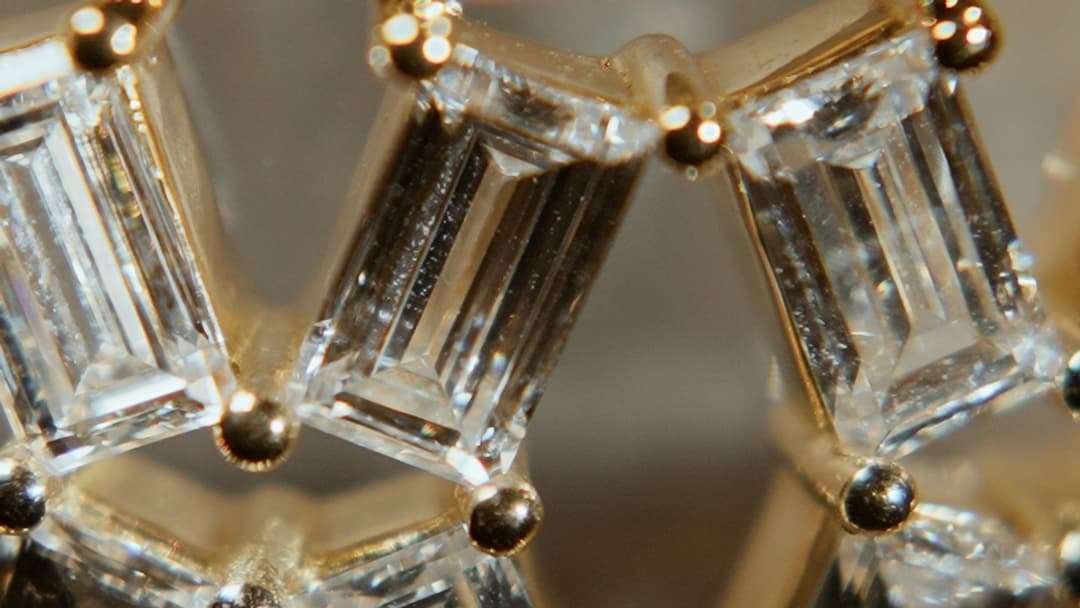
To this flask, created by artist Juliette Leperlier, is added an ornamental jewel signed by the French jewelry house Odace, entirely handmade and utilizing 113 grams of gold and 34 carats of lab-grown diamonds. A deliberate choice by the young house, which claims a contemporary vision of luxury, more ethical and transparent.
This cutting-edge technology is increasingly appealing to the luxury industry. Fred, TAG Heuer, or Breitling have already integrated these stones into their collections, and the global lab-grown diamond market, estimated today between 3 and 4 billion dollars, could reach nearly 10 billion by 2033.
But beyond the case, it is also the content that justifies the enthusiasm and excitement around this bottle. A specialist since 1895, Longueteau has assembled some of the distillery’s oldest eaux-de-vie, specially selected to embody more than a century of know-how, patience, and transmission. A rare agricultural rum, from a volcanic terroir, rooted at the foot of the Soufrière massif.
Indeed, the Longueteau estate now extends over nearly 100 hectares, divided into twelve sugarcane plots, with three aging cellars and a still-active distillery. The immediate proximity between the fields and the production tool allows the cane to be crushed in less than five hours after cutting, a key factor in preserving the freshness of the juice and the aromatic richness of the rum.
What’s the process? A distillation, carried out on a Creole column (a continuous distillation column, made of several plates or stages) that takes place within 48 hours of harvest. The distillates (liquids obtained after distillation) with an alcohol content between 72 and 78 degrees, are adjusted according to the aromatic profiles specific to each plot, with particular attention paid to spicy and aniseed notes, the house signature.
This requirement combined with a deep knowledge of the terroir explains the reputation of the Longueteau distillery far beyond the Antilles, notably since the first exports to mainland France initiated in the late 1980s.
The story is part of a family saga spanning five generations. Henri Louis Philippe Longueteau, visionary founder, transformed a small sugar mill on the Marquisate of Sainte-Marie estate into an agricultural rum distillery in 1895. His son, Henri Adolphe Emmanuel Longueteau, modernized the production tool from 1968 by abandoning the waterwheel (that large wheel equipped with “paddles” that uses water force to turn) in favor of a locomotive-type steam engine. Then Paul Henri Longueteau became the owner of the estate in 1988 and paved the way for the brand’s internationalization.
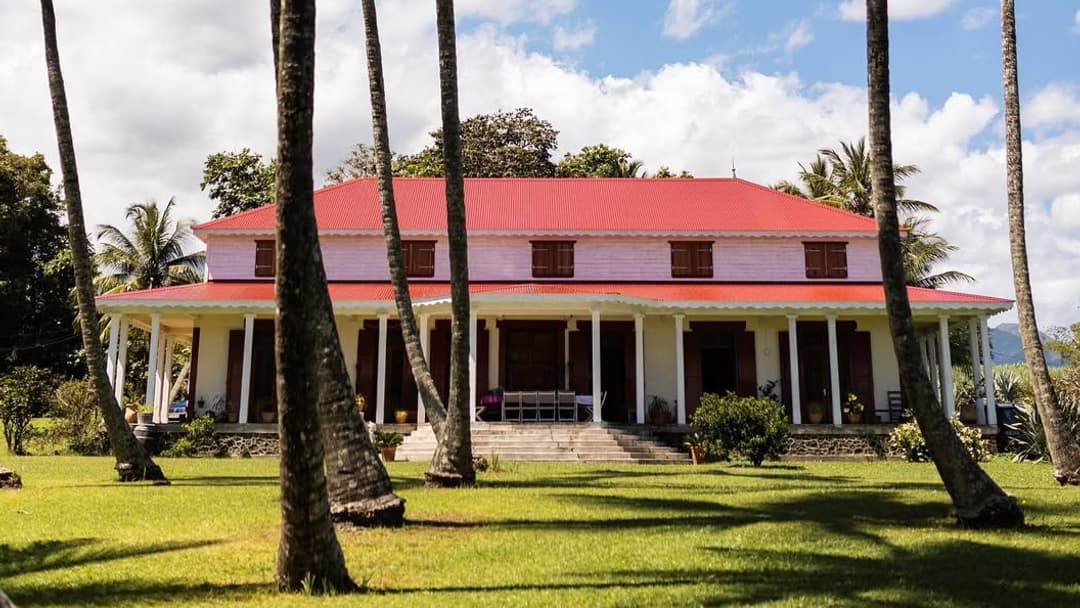
It is worth noting that even today, the Longueteau family lives in the ancestral house, located on the estate.
Currently preserved in Guadeloupe, the bottle is due to arrive in Paris to be officially presented on Thursday, February 5th at the La Maison Champs-Élysées hotel and the objective is clear: to find a buyer for this unique 130,000-euro piece. There is no auction sale at Christie’s or Sotheby’s at this stage, although the option is not ruled out in the long term. For now, Longueteau and Odace are betting on media coverage and word-of-mouth among collectors, connoisseurs of fine spirits, and investors sensitive to rare objects.