Editor’s Note
This article highlights a critical security lapse at the Louvre Museum, where management was reportedly unaware of vulnerabilities in the Apollo Gallery prior to a major jewel heist. It underscores the ongoing investigation and the broader implications for institutional oversight.
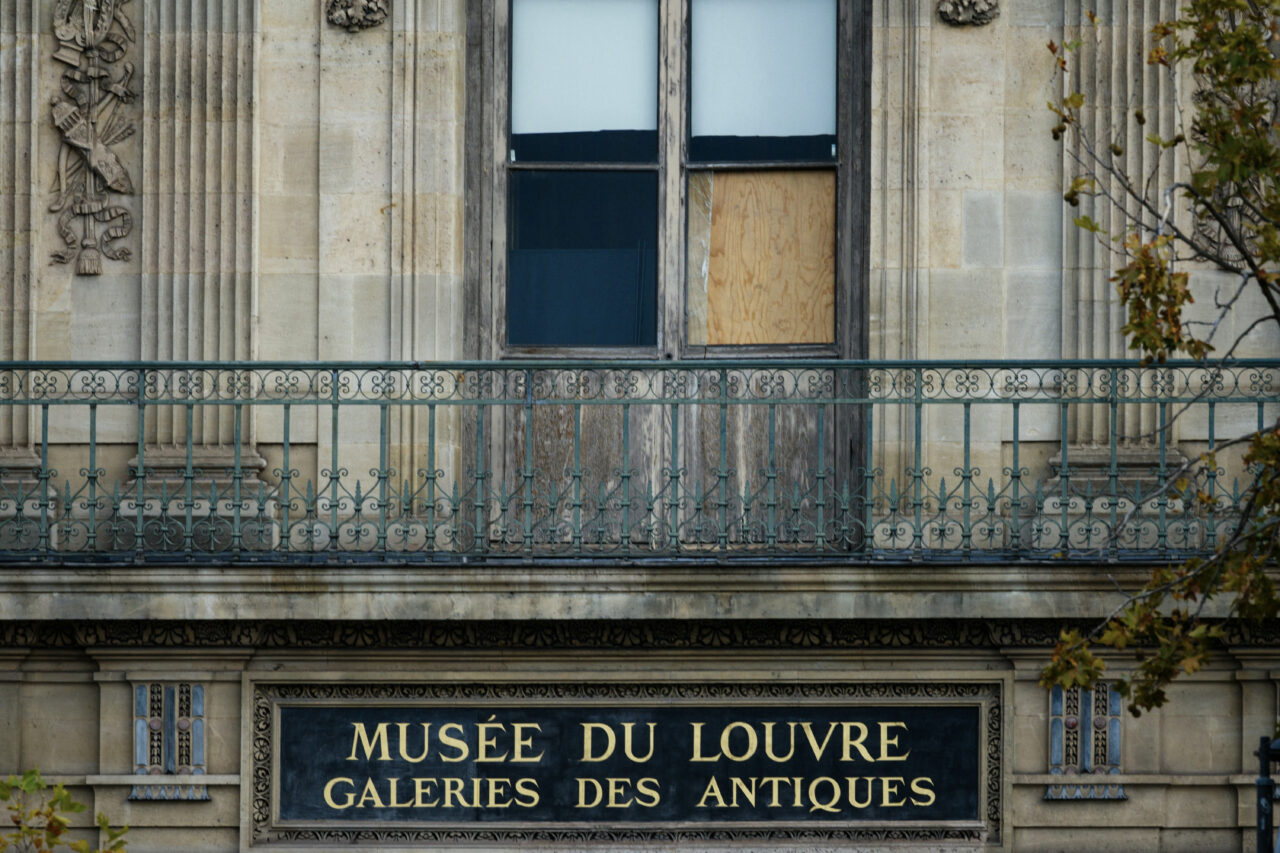
French authorities have arrested two men in connection with the recent theft of valuable jewels from the world-famous Louvre Museum in Paris.
Laurence des Cars, the president-director of the famous museum, told Le Parisien on Monday that the security of the Louvre’s Apollo Gallery, the scene of the globally publicized jewelry heist on October 19, had not been flagged to the management “as a point to monitor.”
Upon taking office at the end of 2021, “I was told that if there was one thing we could be completely at ease about, it was the Crown Jewels,” with “three new solid display cases” installed during the 2018-2019 renovations, she continued. “This file was not flagged to me as a point to monitor.”
As revealed by Le Monde, an audit conducted by the jeweler Van Cleef & Arpels for the museum, as early as 2018, had accurately described the potential flaw represented by the balcony that the thieves used in the October jewelry theft.
The jewels remain missing, but the director expressed being “optimistic” about the outcome of the investigation.
Now, with a more distanced look at the case, “it is perceived that structural weaknesses persisted. I understand that this raises questions,” she also acknowledged, explaining that she had to address “many other urgent files” upon taking office, in an institution in poor condition.
In early November, the Court of Audits had considered that the world’s most visited museum had “prioritized visible and attractive operations” to the detriment of security.
Laurence des Cars announced in November the installation of 100 cameras around the museum by the end of 2026 and reinforcement by the national police to protect the museum during peak visitor periods.
To finance its modernization, the Louvre’s board of directors approved a 45% increase in the entry price for non-European visitors on Thursday, raising the cost to 32 euros starting in 2026.