Editor’s Note
The luxury sector faces a pivotal moment as shifting consumer behavior and economic pressures reshape the competitive landscape. This article examines how the pursuit of a broader audience has impacted traditional luxury giants, with Inditex now leading in profitability over LVMH.
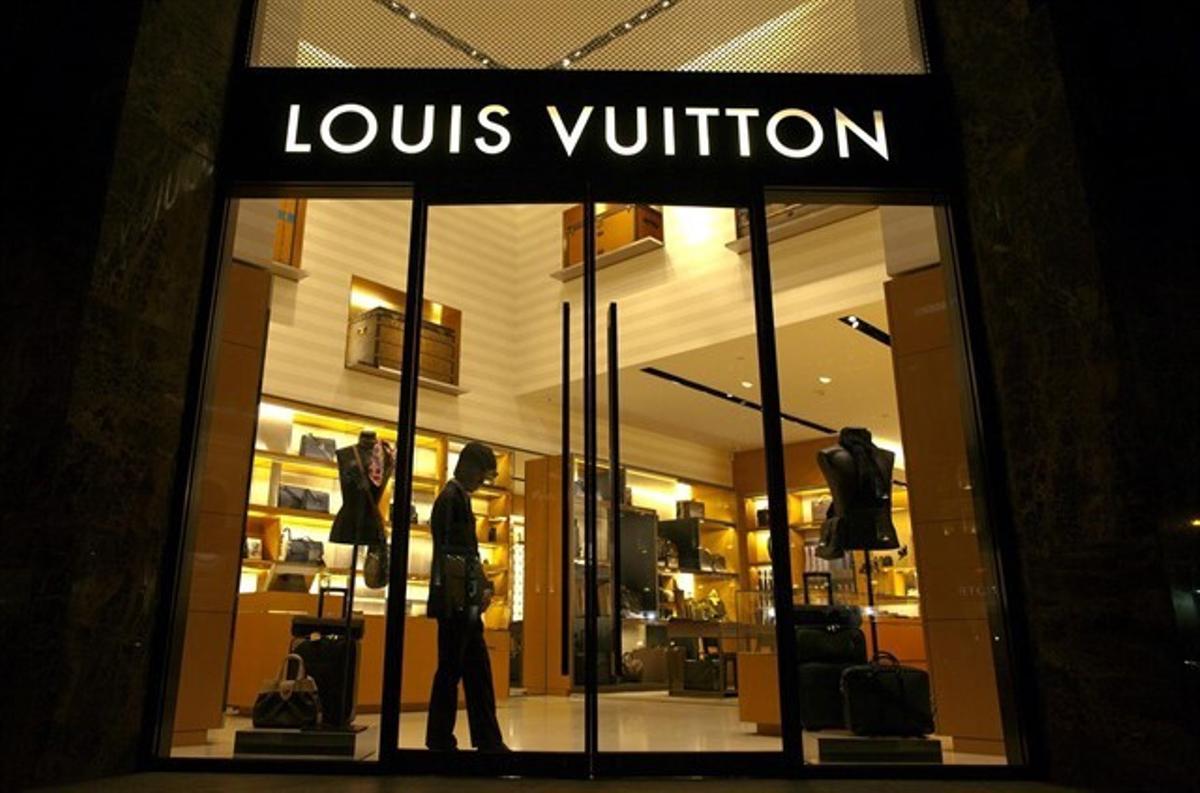
The luxury sector is grappling with revenue loss after years of trying to reach a mass-market audience that has reduced spending as the economic outlook has worsened. Inditex has snatched the global fashion throne from LVMH, after surpassing the luxury giant in profits.
If everything has happened as feared, the global luxury market will have lost €6 billion in value in 2025. This was indicated this autumn in a report prepared by Bain & Company for Altagamma, published by Círculo Fortuny in Spain. The study anticipated a year-on-year decline of close to 2%, a setback felt in almost all sectors. Average spending on leather goods and luxury handbags had fallen by 6% by September; investment in high-end fashion was down 1%, and the diverse category mixing other smaller sectors fell by 11%.
There is, however, one single exception: watches and jewelry, a product segment where the luxury consumer spent 6% more in 2025.
Why do watches and jewelry have such pull? How have they become a kind of booming bastion when talk of a luxury crisis has been ongoing for months? To answer this question, textile executive and fashion strategy consultant Pau Almar goes back to the origin of the problem. Within what most people understand as luxury, there are, in reality, several categories and different levels. For example, brands that aim for customers with purchasing power but not pure exclusivity; and brands that do business by selling their products extraordinarily expensively so they are only accessible to a few. However, for some time, names that were once part of this select club have decided to circulate some of their products in a slightly more generalist market as a strategy to attract more customers. The most paradigmatic example is Louis Vuitton, which pockets huge amounts of money selling the Neverfull, the iconic bag covered in LVs.
Especially because, to this exodus of the highest purchasing power clientele, the change in economic conditions has now been added, causing many of the customers gained from the lower end to have stopped indulging in whims in anticipation of economic problems.
It is this landscape that also explains the curious case of watches and jewelry.
The ESADE professor explains that these products “offer something that today’s consumer especially values: permanence and security.” They are not, she says, “impulse buys,” they are “durable pieces, with material and symbolic value and, in many cases, patrimonial value.”
As theorized in the Bain & Company report, jewelry currently leads the [market] growth, with between 4% and 6%, driven by “resilient demand, emotional appeal, and an increase in customizable designs.” Likewise, they continue, the watch segment is characterized by greater polarization, with good results for high-end watches, “although tariffs and price pressures are driving the resale market.”
With data from the 2024 report, the luxury watch market is valued at around €50 billion globally, and that of jewelry at around €30 billion. For reference, luxury cosmetics moves around €80 billion, the same as the leather goods universe (€78 billion), or fashion (€76 billion). Luxury footwear, on the other hand, is attributed a value of €25 billion.