Editor’s Note
This profile highlights Budhan Singh Purthi, a pioneer transforming India’s pearl cultivation sector. From humble beginnings, his dedication to research and training is empowering a new generation of farmers and entrepreneurs nationwide.

Budhan Singh Purthi, a resident of Chaibasa, has today become a distinguished name in the field of pearl production and training in India. Known as the Pearl Master Trainer, he is training farmers and entrepreneurs in pearl production across various parts of the country. His journey was not easy, but with firm determination, research, and the help of science, he has brought a revolution to this field.
Budhan Singh Purthi came to Ranchi in 2012 and at that time, he thought he should do something different. Before stepping into the world of pearls, he prepared himself thoroughly. By 2014, he had received training from the Central Institute of Freshwater Aquaculture, Bhubaneswar. After this, he started working on designer pearls. In the initial phase, it took him time to understand that pearl production in India is primarily focused on designer pearls. However, the thought of new experiments and delivering better quality in the market inspired him.
Pearl production is not just about oyster farming. Budhan Singh Purthi explains that to achieve success, knowledge about oyster behavior, its feeding patterns, water quality, and the bacteria living in it is extremely crucial. Without proper water treatment and a scientific approach, losses in this business are natural. According to him, many people incur losses due to a lack of information. Therefore, proper training and information are essential before stepping into this field.
In 2019, Purthi Agro Tech signed an MoU with the cooperation of the Ministry of Tribal Affairs. During this, Union Minister Arjun Munda emphasized better work in this field for Jharkhand. Prime Minister Narendra Modi urged steps to develop the pearl production sector in Khunti and to make Jharkhand a leader at the national level. Following this, rapid development occurred in the pearl production sector in Jharkhand.
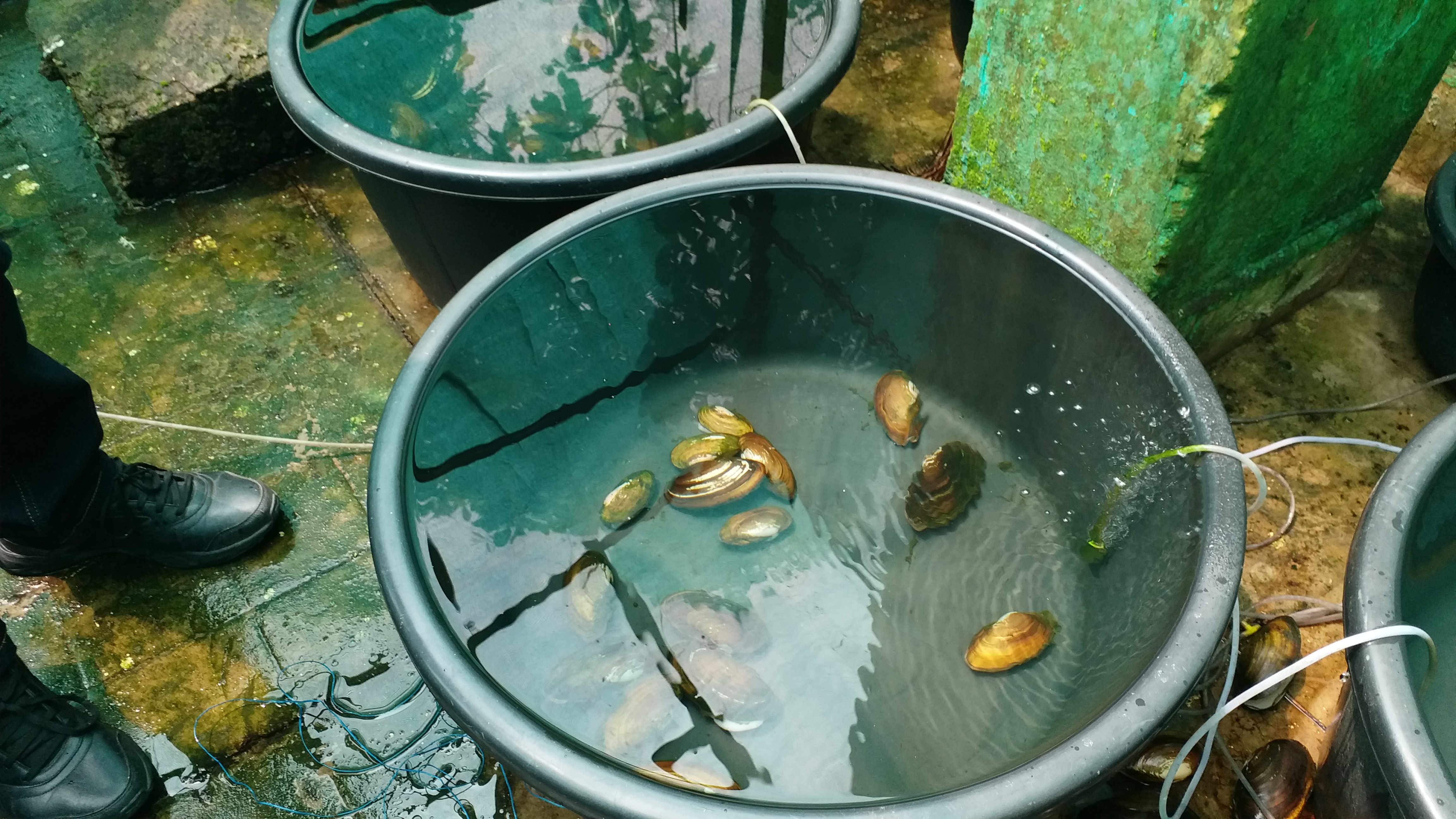
Today, large-scale pearl cultivation is taking place in areas like Chandil Dam and Sitarampur Dam in Jharkhand. The state’s annual turnover from pearl production is approximately 1.5 crore rupees and is continuously increasing. In the initial phase, farmers can earn up to 1.5 lakh rupees, while experienced farmers are earning 4 to 5 lakh rupees annually. Many farmers are working with an increased target, aiming for 10 lakh rupees.
Pearls are sold primarily through online platforms like IndiaMART. This platform provides farmers with better prices and access to larger markets. Additionally, several private entities and traders are active in buying and selling pearls. Due to the efforts of the Ministry of Tribal Affairs, pearls from Jharkhand are also being sent abroad.
SEL also started providing training and employment to the unemployed by signing an MoU with Budhan Singh Purthi. Through CSR, investment and banking institutions are adopting a liberal approach in this sector. Across the country, 899 people have succeeded after receiving training in this field, including 132 farmers from Jharkhand. Furthermore, training is being provided to over 300 farmers, and many farmers are producing pearls in their own homes using cage culture technology.
In the world of pearls, identifying real and fake pearls is extremely important. According to Budhan Singh Purthi, there are three types of pearls in the market:
1. Natural Pearls – Pearls formed naturally.
2. Farmed (Cultured) Pearls – Pearls produced scientifically in oysters.
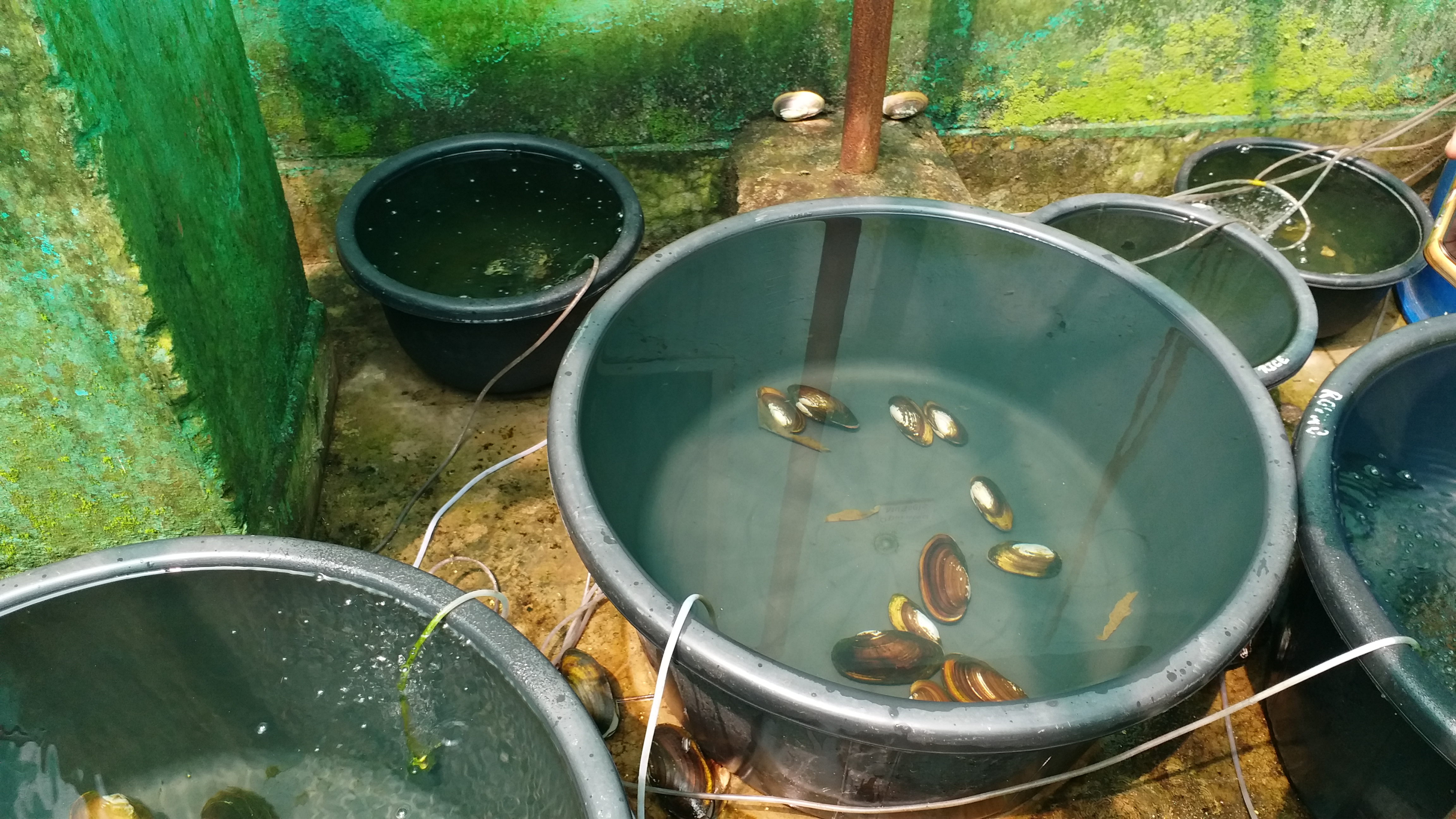
3. Fake Pearls – Made by crushing fish bones and dipping them in calcium carbonate.
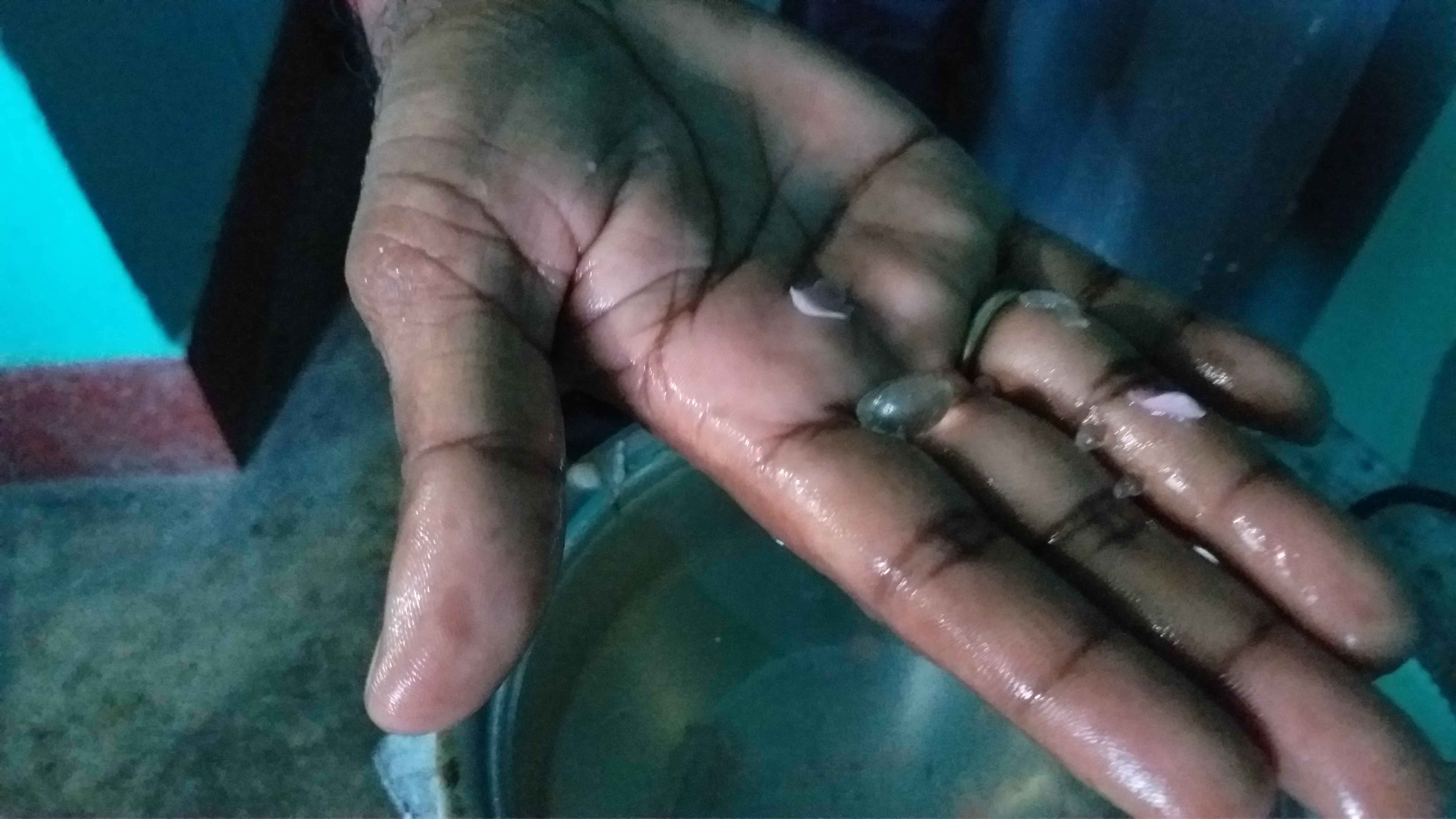
When struck with a hammer, fake pearls completely turn to dust, while natural and cultured pearls break layer by layer. This distinction sets them apart in the market and ensures quality for buyers.
At the SEL City Training Center in Ranchi, Budhan Singh Purthi provides a 45-day training program daily. Here, trainees not only learn pearl production techniques but also gain information on making it profitable from a business perspective. The training teaches farmers oyster selection, feeding, water quality, disease management, and techniques for producing high-quality designer pearls.
People trained by Purthi are now active in other states of the country as well. In Himachal Pradesh, Bihar (Muzaffarpur), Maharashtra, and Rajasthan, his trained individuals are producing pearls and earning good profits. However, Jharkhand’s quality and production numbers are still ahead.
Pearl production has strengthened the economic condition of farmers in Jharkhand. The initial income of up to 1.5 lakh rupees has now reached 4-5 lakh rupees. Additionally, training and a scientific approach have opened new employment opportunities. Through the SEL institution and CSR projects, the unemployed have also gained employment.
With an annual turnover of 1.5 crore rupees, this sector is also active in the direction of exports. Pearls from Jharkhand are now shining abroad. This not only brings economic benefits for farmers but is also strengthening the state’s identity at the national and international levels.
Budhan Singh Purthi’s story is inspiring. He overcame difficulties to achieve success in this field. He believes that with patience, dedication, and the right information, the pearl production business can be highly profitable. He proved that with proper training and a scientific approach, a revolution can be brought even in traditional businesses.