Editor’s Note
This article highlights a significant shift in the bridal jewelry market, where consumer focus on value and practicality is driving increased demand for lab-grown diamonds. As these stones become virtually indistinguishable from their mined counterparts, they present a compelling alternative for cost-conscious couples.
![천연 다이아(왼쪽)와 랩그로운 다이아를 비교한 모습. 감정사도 육안으로는 구별이 어려워 특수 장비를 활용해야 한다. [어니스트서울 제공]](https://wimg.heraldcorp.com/content/default/2024/03/22/20240322050798_0.jpg)
Demand for lab-grown diamonds is increasing as consumers prioritize practicality in bridal jewelry. Brands specializing in lab-grown diamonds are emerging one after another, as they are indistinguishable from natural diamonds.
The size of the domestic bridal jewelry market is shrinking. While demand remains, the trend of reducing costs with ‘cost-effective’ bridal items is evident. According to the ‘2022 Bridal Jewelry Consumer Survey’ report published by the Wolgok Jewelry Industry Promotion Foundation, the bridal jewelry market size in 2022 was 819.7 billion won, a sharp 48.9% decrease compared to ten years ago. Notably, compared to 2012, the diamond bridal market shrank by more than half (51.7%) to 457.3 billion won.
The key change is in average spending. The bridal jewelry purchase rate is 96%, similar to ten years ago, but the average purchase cost per couple was around 4.3 million won, the lowest since the survey began. Over half of respondents said they prioritize practicality over value when purchasing bridal jewelry. Particularly among those in their 20s, the rate of prioritizing practicality was 63.9%, higher than other age groups.
Consumer perception that one must unconditionally buy natural diamonds is also gradually changing. In the past, ‘diamond’ meant natural diamond, but recently it encompasses lab-grown diamonds as well. In fact, starting from the fourth quarter of last year, search volume for lab-grown diamonds surged, surpassing that for natural diamonds for the first time.
Lab-grown diamonds are, as the name suggests, ‘diamonds grown in a laboratory.’ They share the same physical, chemical, and optical properties as natural diamonds. Their biggest advantage is their lower price compared to natural diamonds. Mass production is possible, making them generally 3 to 5 times cheaper than natural ones. In contrast, natural diamonds are formed over billions of years as carbon masses undergo heat and pressure 200 km underground. Their high scarcity inevitably leads to high prices.
Another characteristic of lab-grown diamonds is the ability to produce diamonds of higher quality, unlike natural diamonds whose formation in uncontrolled nature is unpredictable. This means consumers can get a better diamond for the same budget.
Diamond value is graded by the ‘4Cs’: Carat (weight), Color, Clarity, and Cut. Heavier weight, colorless hue, fewer flaws, and larger size are considered more precious.
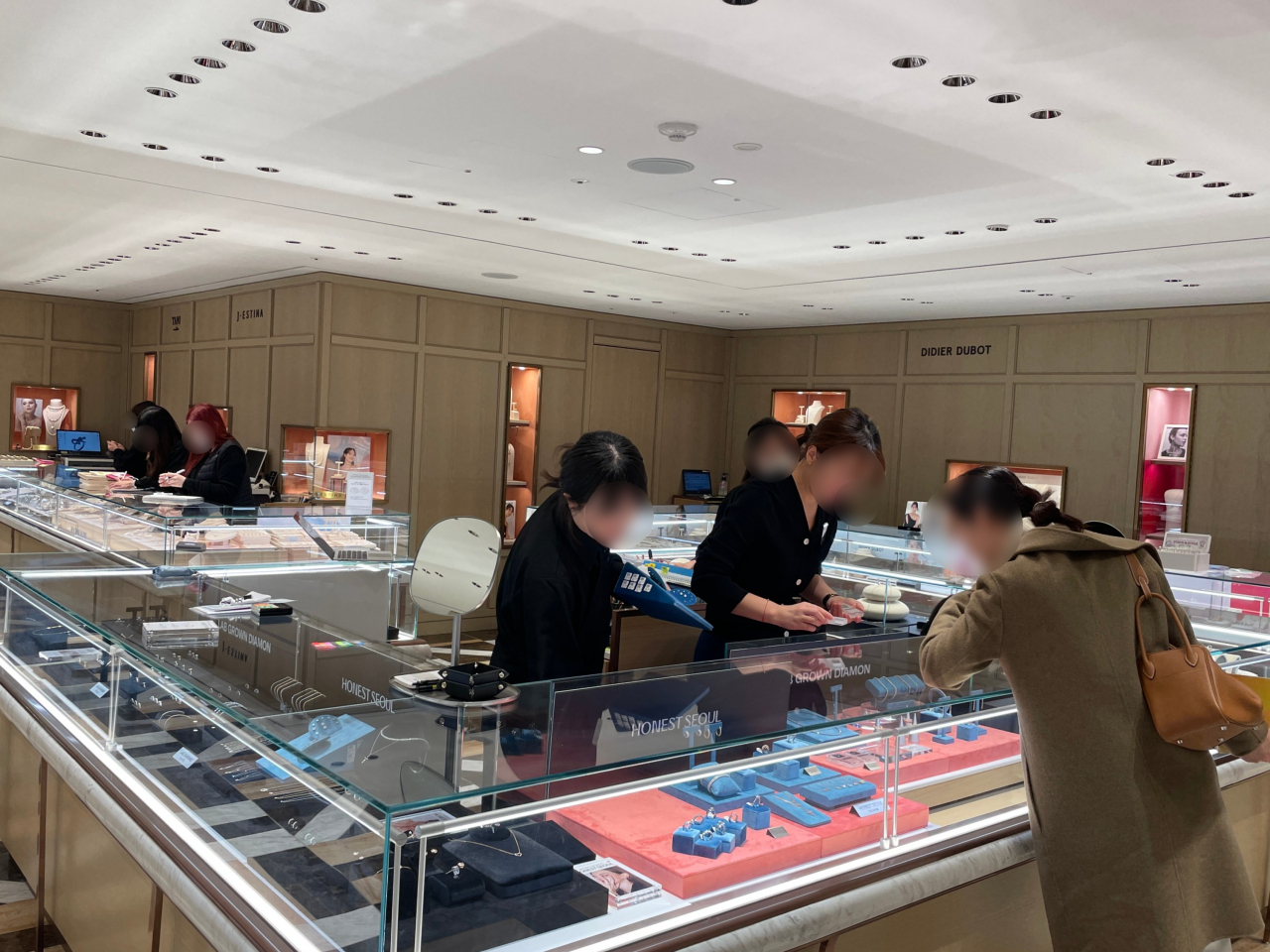
The industry is also taking note of the rapidly increasing demand for lab-grown diamonds. Major distributors like Hyundai Department Store, Shinsegae Department Store, and Shinsegae Duty Free are expanding the presence of lab-grown diamond specialty brands such as Ernest Seoul, Allod, and Dinecci. Online, platforms like SSG.com operate official brand sections for lab-grown diamonds, making them more accessible than before. Sales are also smooth sailing. Ernest Seoul’s sales for the first quarter of this year are projected to triple compared to the same period last year.
The lab-grown diamond market is expected to grow further. Diamond specialist analyst Paul Zimnisky analyzed that the global lab-grown diamond market size will expand from $1.9 billion (approximately 2.5 trillion won) in 2015 to $14.9 billion (approximately 20 trillion won) by 2035.
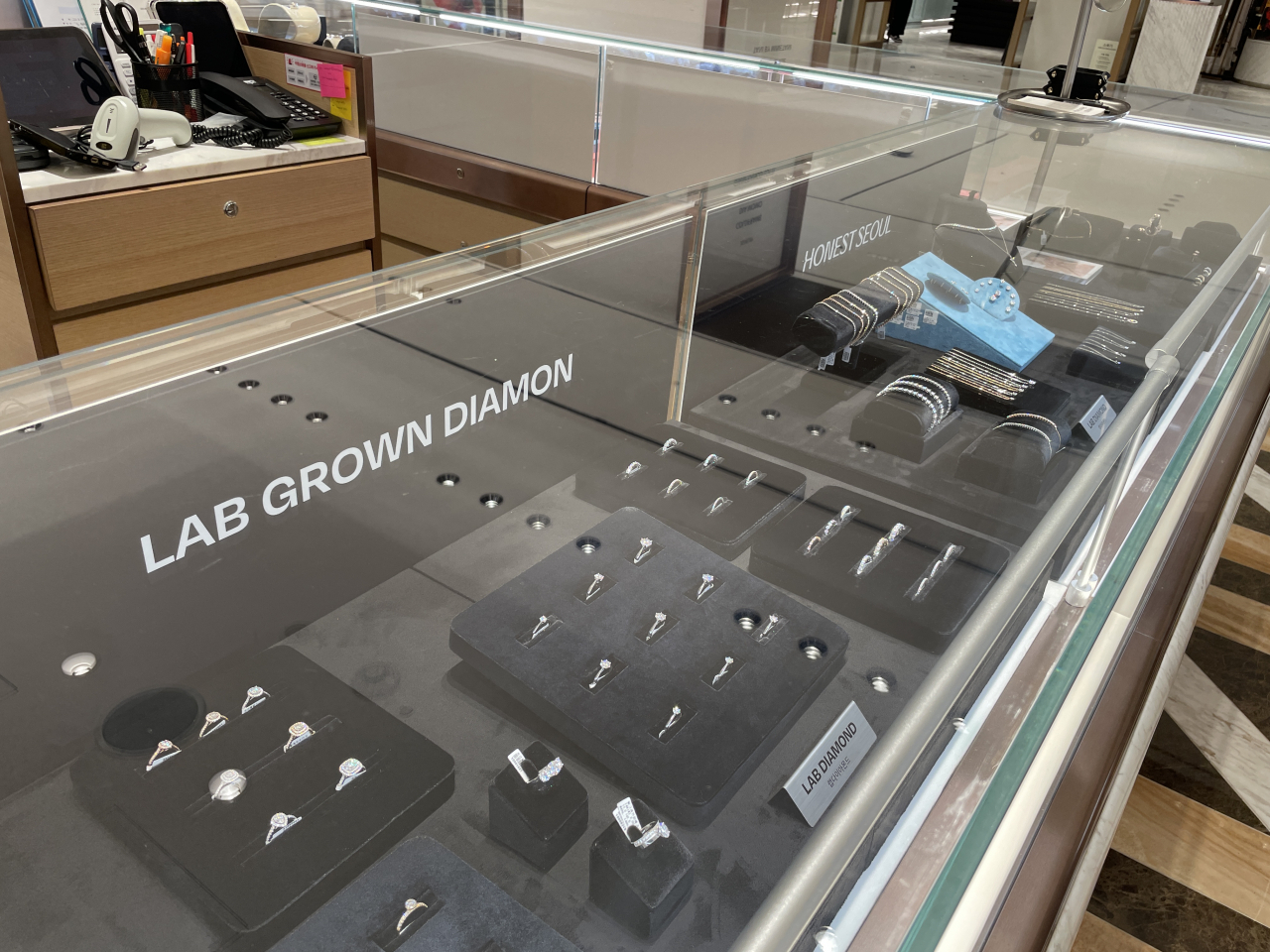
Meanwhile, as demand for lab-grown diamonds increases, the price of natural diamonds is falling. Paul Zimnisky stated that the global rough diamond price index, which he compiles independently, fell by 15.7% at the end of last year compared to the beginning of the year.