Editor’s Note
The global push for electric vehicles is fueling a nickel mining boom, particularly in the Philippines. However, this article highlights a critical and often overlooked consequence: the severe human rights abuses faced by Indigenous Peoples and rural communities in mining regions. As Amnesty International warns, the clean energy transition must not come at the cost of human suffering.
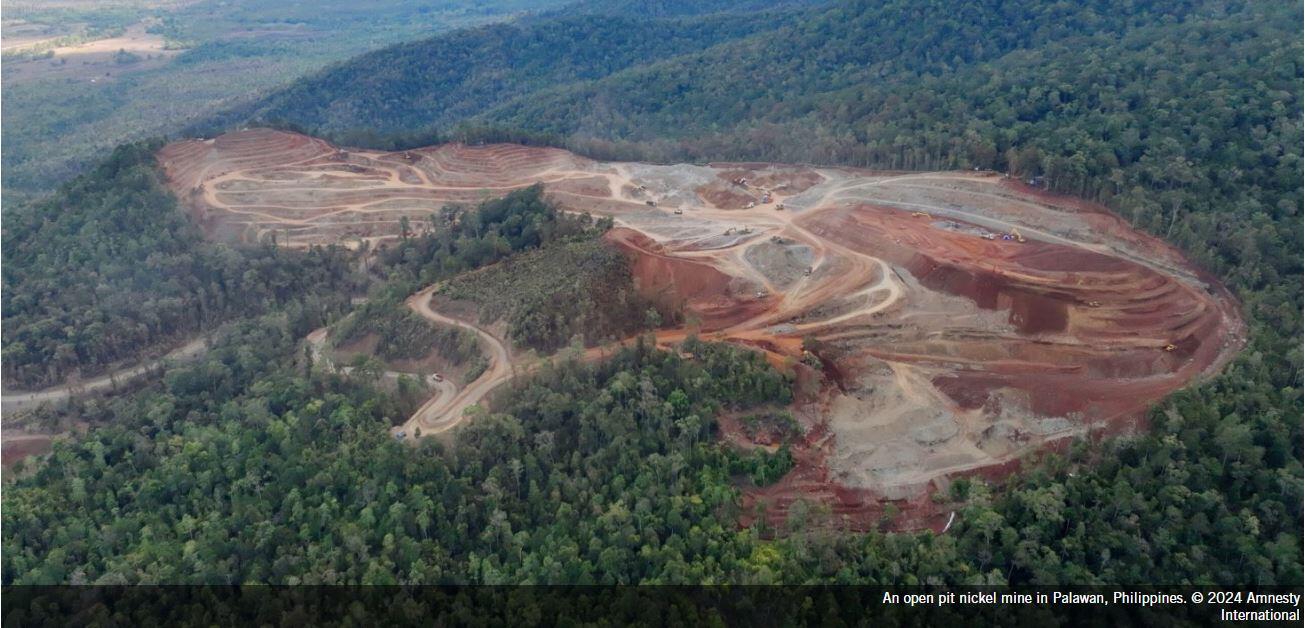
As global demand for electric vehicles expands, driving a boom in nickel mining in the Philippines for lithium-ion batteries, Indigenous Peoples and rural communities are facing numerous human rights abuses. Amnesty International is sounding the alarm about the human rights impacts linked to the growing global demand for the EV market.
In Zambales and Palawan provinces, mining is proceeding without adequate consultation and consent from Indigenous Peoples, leading to deforestation, metal contamination, and health issues. It is highly likely that nickel mined in these areas is entering the supply chains of major electric vehicle companies. Indigenous and rural communities are paying a heavy price amid the surging demand for minerals for the energy transition. They are subjected to flawed consultation processes marked by misinformation and lack of information, while also enduring the negative impacts of mining on their health, livelihoods, and access to clean water.
Amnesty conducted research in two areas: Santa Cruz, Zambales, and Brooke’s Point, Palawan, an ancestral domain of Indigenous Peoples. In Santa Cruz, four companies are operating mines, while in Brooke’s Point, one company is operational and two are in the preparatory stages. In both areas, residents reported health problems such as asthma, coughing, breathing difficulties, skin diseases, and eye, throat, and skin ailments linked to deforestation and environmental damage from nickel mining. They also reported declining fish catches and crop yields due to deteriorating freshwater quality.
The Philippine government must investigate the reality of environmental pollution and should not allow mining operations to continue until the results are known. Companies must prioritize human rights protection in their operations. Electric vehicle companies should not claim their cars are unconnected to human rights and environmental pollution in the Philippines without ensuring supply chain transparency. They must also investigate links between Philippine nickel and local environmental issues and publish their findings and risk mitigation measures.
Despite Philippine law and international law requiring protection for communities in development areas, Indigenous and rural communities have not received adequate information about the human rights and environmental impacts of nickel mining. These protections require the state to consult with communities and, where Indigenous Peoples are affected, obtain their Free, Prior, and Informed Consent (FPIC). This means fully explaining the impacts of mining, listening to concerns, and respecting community decisions.
Residents interviewed by Amnesty stated they could not access necessary information, such as Environmental Impact Assessments. Amnesty could only find EIA information online for 3 out of 7 projects and received no response from companies or the Department of Environment and Natural Resources when requesting it. Residents reported that those opposing mining were excluded from consultations, and their concerns were ignored or dismissed.
In Brooke’s Point, one company has been mining for over two years and another is applying for a permit, amid community divisions over procedural issues in obtaining consent.
FPIC requires an absence of coercion, intimidation, or threat of retaliation. However, residents testified about companies offering money or goods.
Several residents argued that the FPIC process excluded Indigenous leaders and their will, violating self-determination. Companies denied these claims, stating they followed regulations.
Companies have a responsibility to conduct due diligence to identify and prevent human rights abuses linked to their operations and to address potential problems. If unavoidable harm is identified, they should halt operations after consulting with Indigenous Peoples. It is time to stop sacrificing the human rights, health, and environment of Indigenous and rural communities in the Philippines for the benefit of mining companies, multinational automakers, and consumers in developed countries. The entire electric vehicle industry and battery supply chain must be held to a higher standard of accountability for the potential harms caused by mining.