Editor’s Note
This article examines how Richemont Group’s focus on high-end jewelry and watches, often tied to significant personal milestones, provides a measure of resilience against broader economic downturns.
The world’s second-largest luxury company, Swiss Richemont Group [SIX: CFR].
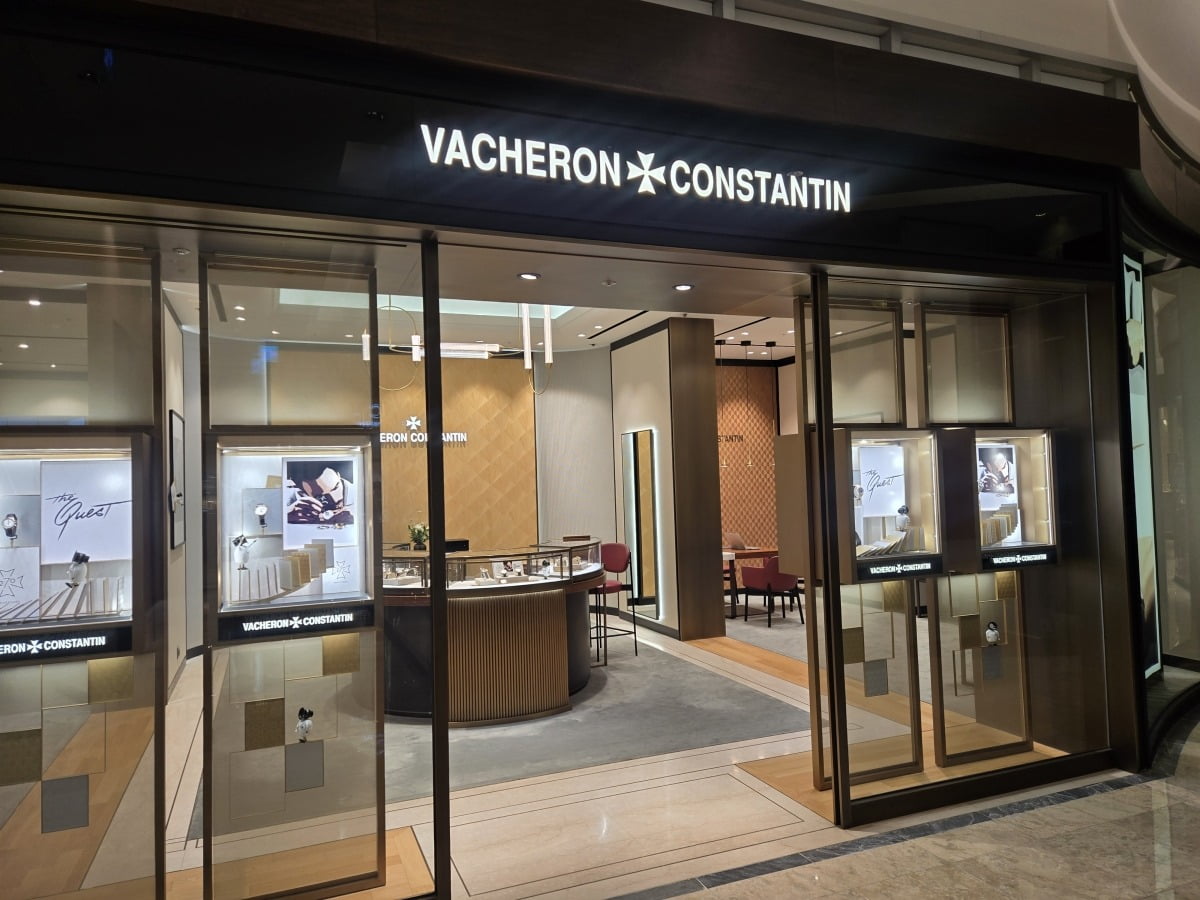
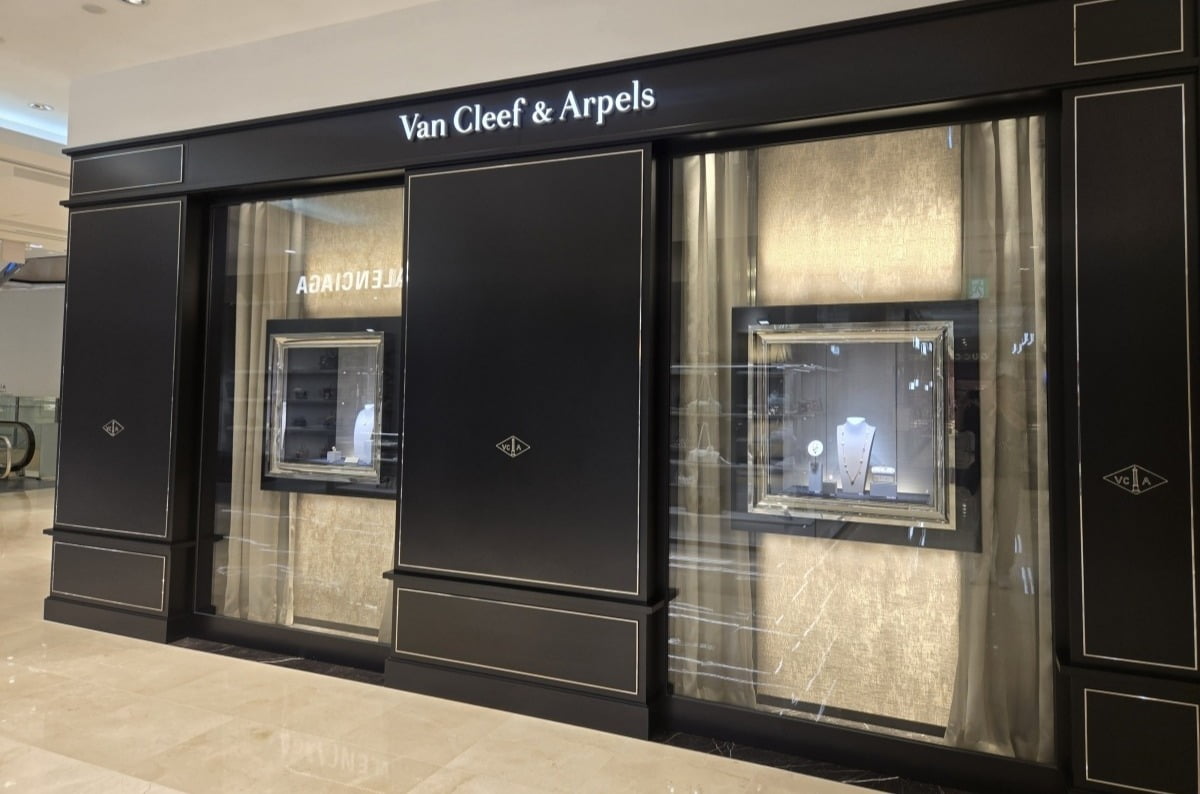
Van Cleef & Arpels necklaces, Cartier rings, Vacheron Constantin watches, Montblanc pens…
What these have in common is that they are representative products purchased or gifted for important life events like weddings or getting a job. They also all belong to brands under the Swiss luxury group Richemont.
Richemont Group is considered one of the world’s top three luxury companies, alongside LVMH, which owns 75 brands including Louis Vuitton, Dior, and Celine, and Kering, which owns Gucci, Saint Laurent, and Balenciaga.
Richemont announced that its revenue for the first quarter of fiscal year 2026 (April-June 2025) increased by 6% year-on-year to 5.41 billion euros. Notably, sales in its core jewelry segment reached 3.9 billion euros, an 11% increase from the previous year. This contrasts with LVMH’s 4% growth and Kering’s 16% decline during the same period.
Experts point to Richemont’s product lineup, which is focused on event-related purchases, and its relatively low dependence on the Chinese market as the secrets behind its performance, which differs from other luxury companies.
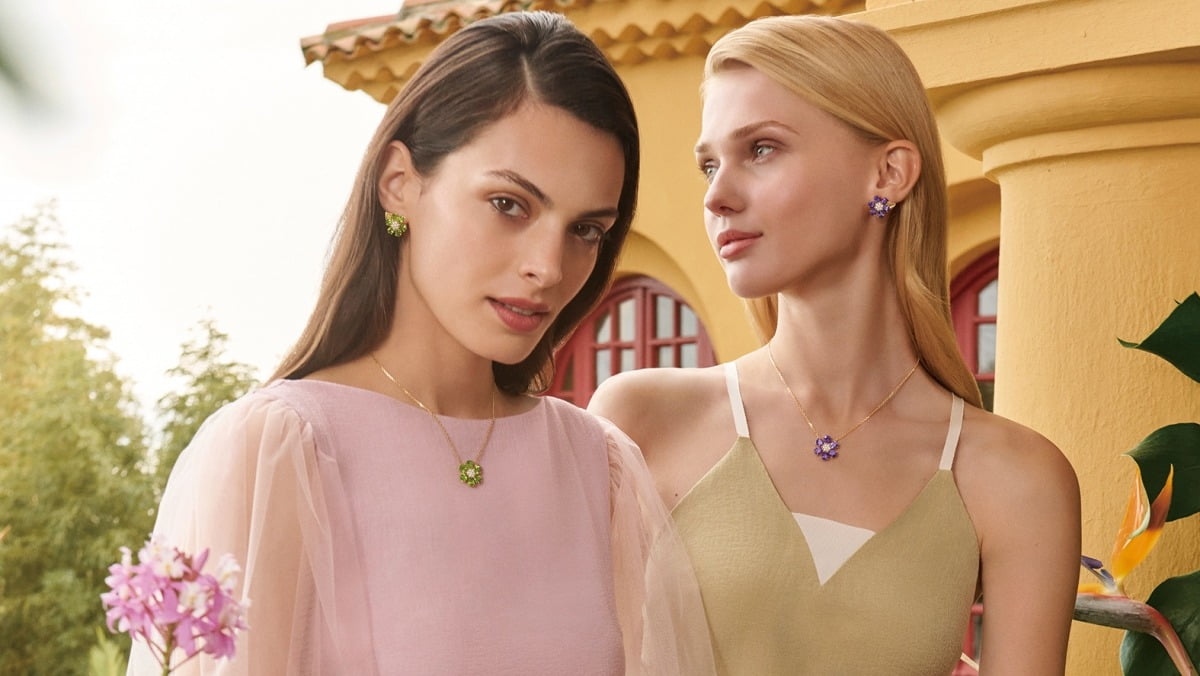
Richemont has only four brands in its jewelry segment—Van Cleef & Arpels, Cartier, Buccellati, and Vhernier—but they account for 72% of its revenue.
Its watch segment includes diverse brands like Piaget, IWC, A. Lange & Söhne, Vacheron Constantin, Jaeger-LeCoultre, Baume & Mercier, Panerai, and Roger Dubuis, but they account for only 15% of revenue. Fashion and accessories brands like Alaïa, Chloé, Dunhill, and Montblanc make up the remaining 13%.
Regionally, Richemont’s sales in Asia were flat year-on-year due to the impact of China’s economic slowdown. However, sales in the US, Europe, and the Middle East increased by 11%, 17%, and 17%, respectively.
Richemont is listed on the SIX Swiss Exchange in Zurich and the Johannesburg Stock Exchange in South Africa. Its headquarters are in Bellevue, a city near Geneva, Switzerland. The reason for its listing in Johannesburg is that its founder is South African.
Richemont’s founder, Johann Rupert, was born in Stellenbosch near Cape Town. This area is a major wine-producing region in South Africa, akin to California’s Napa Valley. He studied economics and company law at Stellenbosch University but dropped out to pursue business.
Johann’s father, Anton Rupert, started a tobacco business in the 1940s and was the founder of the Rembrandt Group, which became a global tobacco company in the 1960s. The Rupert family invested in mining and luxury businesses centered around tobacco until the 1980s.
Richemont was born in 1988 when Johann Rupert separated the luxury division from the Rembrandt Group. Already owning Cartier, Piaget, and Baume & Mercier, Richemont began full-scale mergers and acquisitions in the 1990s, acquiring the remaining brands one by one. After the 2000s, aggressive expansion built its luxury empire.
Johann Rupert, a South African native, is the second-richest person after Tesla founder Elon Musk. His net worth is estimated to be between $15.2 billion and $17.7 billion as of 2025.
At the beginning of this month, bad news hit Richemont. US President Donald Trump imposed a high 39% tariff on Swiss-made products, dealing a significant blow to Switzerland, the world’s largest watch exporter, in the US market. Richemont’s stock price plummeted, and its performance outlook turned bleak.
In response, Nick Hayek, CEO of the Swiss watch giant Swatch Group, commented:
He suggested that an effect similar to when China imposed taxes on luxury goods, leading Chinese consumers to shop in Macau and Hong Kong, could be expected.
Richemont’s stock price closed at 139.75 Swiss francs on the 29th (local time). It has risen 4.41% over the past year. In early March, it soared to a record high of 187 Swiss francs. Following the US tariff shock, it fell to 130 Swiss francs on the 12th but is now recovering.
Global investment bank Citi last month presented a ‘Buy’ recommendation for Richemont with a target price of 163 Swiss francs.
