Editor’s Note
This article examines the challenges facing the diamond industry in Northern Ontario, despite De Beers’ strategic pivot back to promoting natural stones. It highlights the ongoing pressures from synthetic alternatives and local economic realities.
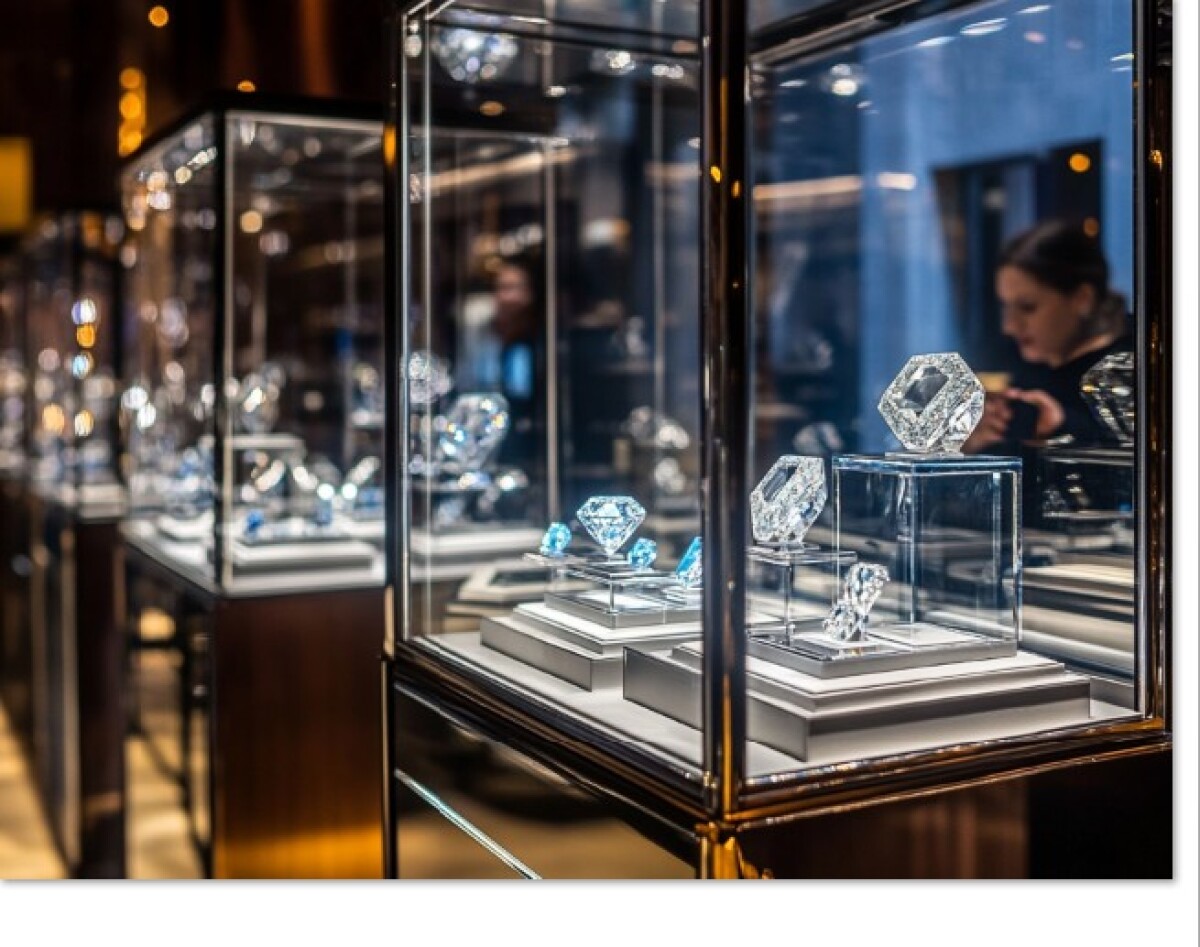
Despite De Beers, the world’s largest diamond mining company, declaring a return to a natural diamond-focused strategy, prospects for the revival of the diamond industry in northern Ontario, Canada, remain low.
De Beers stated in a recent announcement, “Prices in the synthetic diamond market are falling rapidly,” adding, “We will focus on reigniting demand for natural gemstones with their scarcity and symbolism.”
However, since closing the Victor Mine near the Attawapiskat First Nation in northern Ontario in 2019, De Beers has not announced any plans to restart operations.
The Victor Mine, considered a commercial success story having produced approximately 8.3 million carats of natural diamonds from 2006 to 2019, shut its doors amid the expanding adoption of synthetic stones and shifting consumer trends.

He added, “Synthetic diamonds look no different from natural ones to the naked eye, and the price is less than half. There’s no reason for customers to insist on natural stones.”
While mineral exploration company VR Resources ‘accidentally’ discovered diamond-bearing layers in the James Bay region near the Moose River in 2023, investor response has been cold.

The representative continued, “With even existing mines struggling to be profitable, there are hardly any investors willing to embark on new mine development.”
While De Beers maintains its position to “strengthen category marketing to re-impress the value of natural diamonds,” market reaction remains tepid.
Meanwhile, Forage Fusion Drilling, which provides diamond exploration equipment, reported, “Demand for preferring real diamonds still exists, but related drilling contracts have decreased compared to before, and unit prices have fallen.”