Editor’s Note
This article highlights the UN General Assembly’s unanimous reaffirmation of support for the Kimberley Process, a crucial international mechanism aimed at curbing the trade in conflict diamonds.
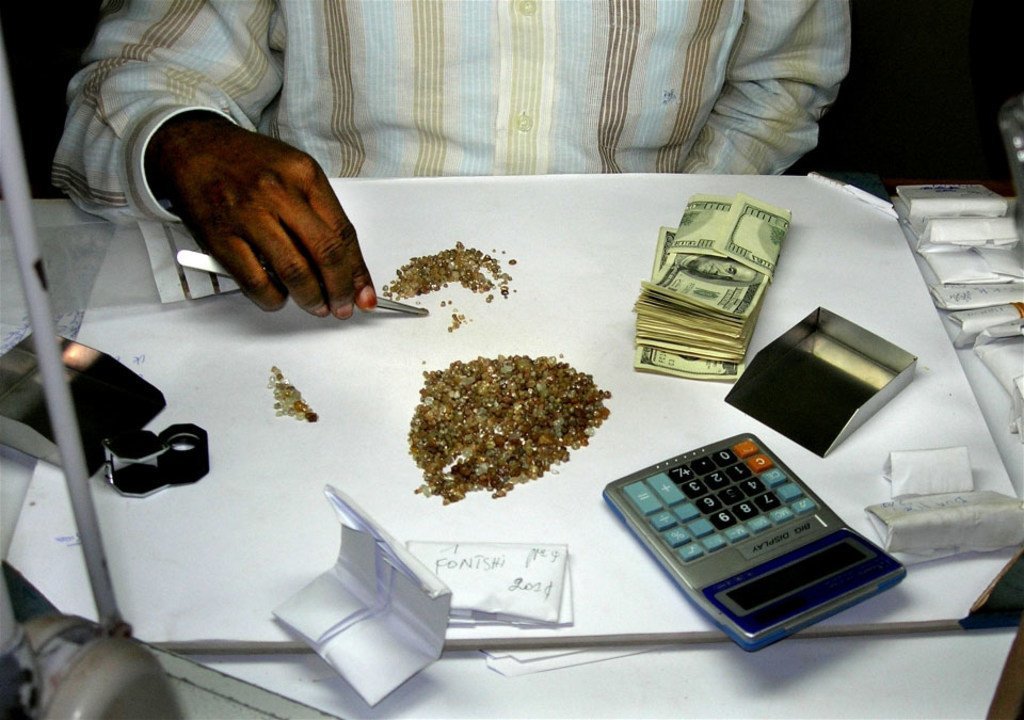
The United Nations General Assembly unanimously adopted a resolution on Friday reaffirming its “strong and consistent support” for the Kimberley Process Certification Scheme, which aims to prevent the sale of conflict diamonds on the international market.
This certification system has enabled the transition from “blood diamonds” to “peace diamonds,” as highlighted by Romania, which presented the resolution on behalf of the European Union, the 2018 Chair of the Kimberley Process.
The resolution welcomes the progress made by the Kimberley Process in breaking the link between the diamond trade and conflicts. The text encourages exploring new ways to make the Process a tool for peacebuilding and sustainable development.
Launched in 2000 on the initiative of diamond-producing countries in Southern Africa, the Kimberley Process is an international certification system that regulates the trade in rough diamonds. It is also a tripartite technical body involving governments, the global diamond industry, and civil society, with the primary objective of stemming the flow of “conflict diamonds” or “blood diamonds” used by armed groups to finance conflicts.
As of November 2018, the Process had 55 participants representing 82 countries, with the European Union (EU) counting as a single participant.
The EU welcomed on Friday that since 2003, the share of “conflict diamonds” in global trade has fallen from 15% to 1% today.
Sierra Leone stated that all its exported diamonds now go through the Process’s certification mechanism, expressing satisfaction that illicit trade has been minimized.
Given this success, the European Union said it encourages regional approaches to address compliance challenges, drawing on the experience of the Mano River Union. It welcomed efforts to develop a similar approach in the Central African region and the commitment of the Central African Republic to ensure the traceability of its rough diamond shipments.
Israel, the world’s leading diamond exchange, recalled having successfully passed its peer review in 2017. It said it was praised not only for meeting the Process’s minimum standards and being fully compliant but especially for its strict audit processes, data organization, and uniform application of the Process.
Other proposals to improve the Process were made, notably by India, the 2019 Chair of the Process. It announced that one of its priorities this year is to support alluvial and artisanal mining countries with technical assistance and capacity building.
Russia, which will hold the Chairmanship in 2020, advocated for “unconditional” information sharing among industry stakeholders to “exclude any risk of synthetic diamonds entering the market.”
Sierra Leone raised social issues related to the diamond trade, arguing that the Process should require mining companies to establish development charters for the communities in which they operate.