Editor’s Note
The European Union has expanded its sanctions regime against Russia, now targeting cryptocurrency services. This latest round prohibits Russian citizens from owning or controlling crypto-related companies, marking a significant step in the bloc’s economic measures.
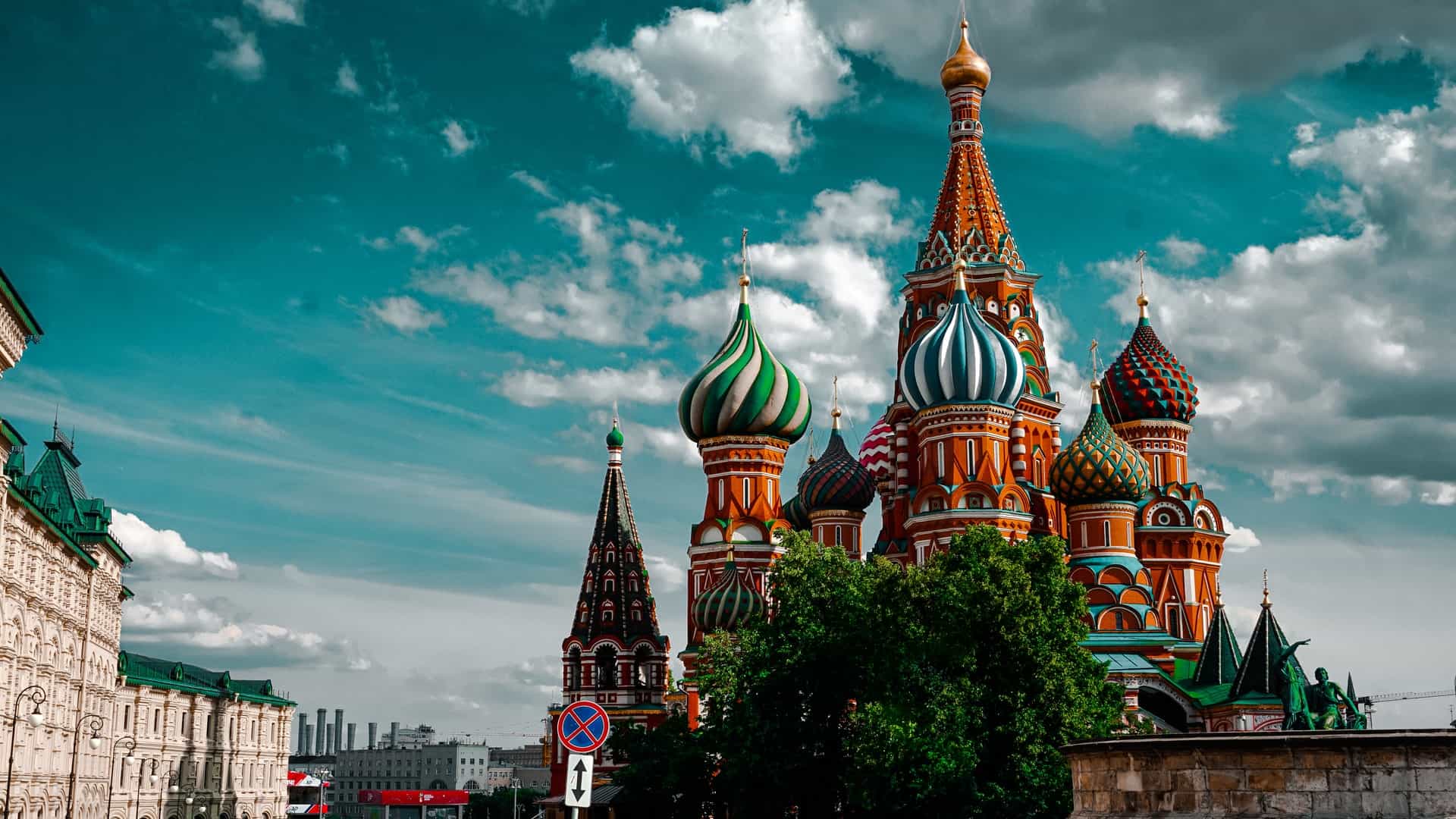
The European Commission has announced its 12th round of sanctions against Russia, which restricts Russian citizens from owning or controlling companies that provide cryptocurrency services.
In its twelfth sanctions package, the Council of the EU imposed new cryptocurrency prohibitions to prevent Russian citizens from owning or controlling digital currency wallets like Bitcoin. The sanctions, announced on Monday by the European Commission, introduce a comprehensive ban that prevents Russian citizens and residents from owning, controlling, or being part of entities that provide cryptocurrency services.

To further limit evasion, today’s decision includes a ban on Russian citizens owning, controlling, or holding any position in the governing bodies of legal persons, entities, or bodies that provide crypto-asset wallets, account, or custody services to Russian persons and residents.
By focusing on the cryptocurrency industry, the EU aims to close potential channels that could be exploited for financial transactions outside the traditional banking system. European authorities described the latest restriction as an “anti-circumvention” measure to prevent Russia from evading financial sanctions.
Beyond digital currencies, the new package focuses on a ban on importing diamonds of Russian origin, as well as imposing additional import and export bans on Russia, to combat sanction evasion and close legal loopholes, said the European Commission. Among them, the sanctions seek to ensure that global sales of Urals oil remain within the price limit of USD $60 per barrel, previously set by the G7. While the sanctions do not alter this limit, they introduce new measures, including a notification requirement for the sale of EU-made oil tankers destined for Russia.

The latest series of sanctions is in line with the EU’s current efforts to impede Russia’s financial capabilities in response to the conflict in Ukraine. The EU has reinforced an unprecedented set of sanctions against Russia in early 2022 in response to Russia’s “war of aggression against Ukraine,” said the bloc on its official website.
As part of the new ban, the 27 member states of the bloc will no longer be able to purchase natural and synthetic diamonds, as well as diamond jewelry, that come directly from Russia, unless they are intended for industrial purposes. From March 1, the import ban will begin to cover diamonds and jewelry of Russian origin that have been cut and polished in other countries. And on September 1, it will be extended to lab-grown diamonds and watches containing diamonds, according to the news agency Euronews.
