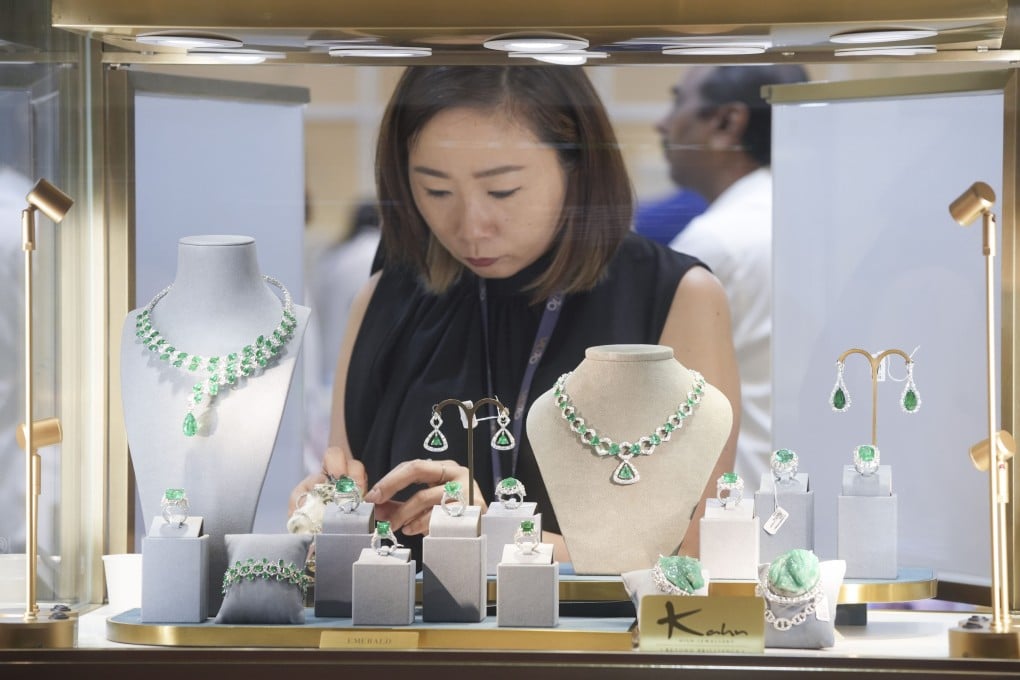
Hong Kong jewelers are scaling back US operations and considering production relocation as President Trump's tariffs on Chinese exports rise to 60%, industry leaders warn. The 34% tariff effective April 9 will double retail prices, fuel inflation, and potentially force smaller exporters to close. This shift signals major supply-chain adjustments for overseas buyers sourcing from Hong Kong.
Tariff impact on pricing and sales
The 34% tariff on Chinese exports, effective April 9, will double retail prices for US-bound jewelry, reducing sales and fueling inflation, industry figures told the Post. A 10% blanket tariff on nearly all countries also eliminates the workaround of relocating production to Southeast Asia, making US market access increasingly costly for Hong Kong jewelers.
Industry response: downsizing and market diversification
"Many companies will choose to downsize or not to operate in the US market," said Bronia Yip Mei-chu, chairwoman of the Hong Kong Jewelry Manufacturers' Association. Small and medium-sized enterprises face the most severe pressure due to limited manpower, despite having diverse product lines and markets in Europe, Southeast Asia, and the Middle East.
What buyers should watch
Overseas buyers should expect reduced US inventory from Hong Kong jewelers and potential price increases of up to 60% for remaining US-bound goods. Sourcing alternatives may shift toward Europe, Belt and Road Initiative countries, Eastern Europe, and Africa as Hong Kong firms diversify. Smaller suppliers may exit the US market entirely, affecting supply continuity for private-label brands and trading companies.
Compliance and logistics signals
Buyers should monitor tariff classifications and country-of-origin rules closely, as Hong Kong jewelers explore production relocation to non-China sites. The 10% blanket tariff complicates previous Southeast Asia relocation strategies, making compliance more complex. Importers may need to renegotiate contracts or seek alternative sourcing partners in less tariff-affected regions.
Source: Read the original report | Published: April 06, 2025