Editor’s Note
This article examines the growing focus on sustainability within the jewelry industry, questioning how “green” adornments can truly become. It explores the complex journey from raw materials to finished pieces, highlighting the challenges of transparency and ethical sourcing that lie behind the sparkle.
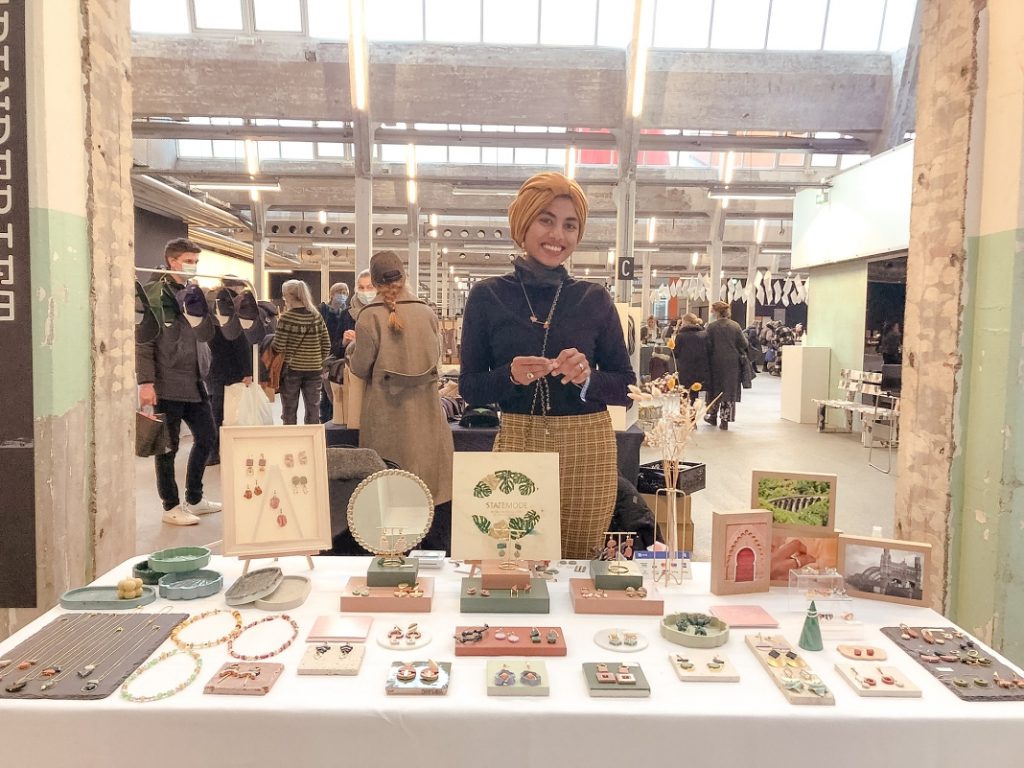
The question of sustainability has long been a topic in the fashion world, and now it is increasingly concerning the jewelry industry as well. But how sustainable can jewelry actually be?
It sparkles and glitters on ears, necks, and fingers: jewelry is an indispensable part of everyday life for many people. For millennia, we have adorned ourselves with a wide variety of materials, thereby revealing, to a greater or lesser extent, where we come from or who we are.
But who actually produces our jewelry? And, above all, how? We have been increasingly and for longer considering these questions regarding our clothing; they are now apparently also reaching the jewelry industry: brands are increasingly advertising with recycled materials and fairly produced jewelry pieces. But what is behind these promises?
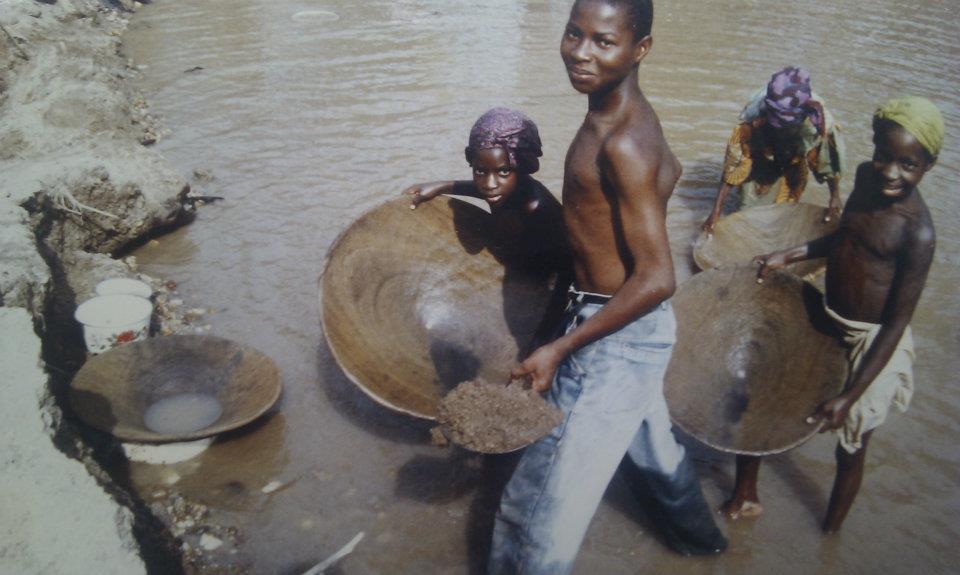
Jewelry often consists of precious metals like gold and silver. They are durable, easy to work with, and can also be recycled repeatedly. Various methods are used in their extraction. That gold is not only sieved by hand in rivers has been known at least since TV series like “Gold Rush in Alaska,” where heavy machinery removes tons of earth and leaves behind bare, sandy areas.
The largest gold mines are distributed all over the world. Some of them are located in developing and emerging countries. There, primarily large international corporations extract the raw materials, because operating the mines is expensive and the financial resources of many countries are limited, as Daniel El-Noshokaty from the Africa Association of German Business knows. The association, based in Hamburg and Berlin, promotes exchange between German and African representatives from business and politics. This can sometimes also involve raw materials.
According to El-Noshokaty, who ultimately benefits from the extraction contracts also depends on the country where the mine is located. Thus, stable political structures support profitable contractual relationships between states and corporations, from which the local population also benefits.
he says, referring to countries where deficient democratic conditions can favor the operation of illegal gold mines, such as in the Democratic Republic of Congo. According to El-Noshokaty, in such countries one cannot always be sure that the operators adhere to environmental and safety standards and the prohibition of child labor, as the regulations of the states themselves leave enough room for illegal practices.
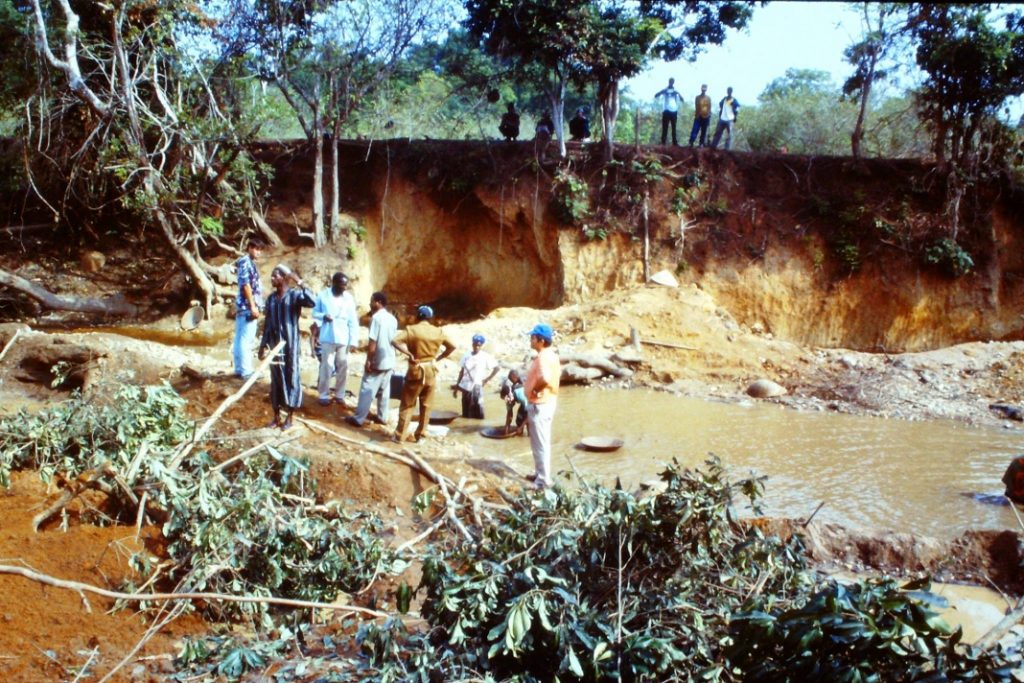
says El-Noshokaty. Before gold and silver can end up on the tables of jewelry producers, they often have to go through many processing steps. In the extraction areas, primarily the raw materials are obtained. Gold, for example, then often has to be separated from rock compounds or sands in refineries. This happens mainly with the help of cyanide: rocks containing gold particles are crushed, and the gold is washed out with a cyanide solution. This leaves behind toxic waste products that represent a significant environmental burden.
says Tristan Jorde from the Hamburg Consumer Center about processes like this.
According to El-Noshokaty from the Africa Association of German Business, the impacts on the environment are immense, especially in the extraction areas:
To keep the consequences as low as possible or to compensate for them, one must primarily rely on extensive renaturation measures in these areas. These include, for example, the gradual decommissioning of mines and reforestation programs.
Things are somewhat less drastic on the Rhine. There, people still pan for gold.