Editor’s Note
The sale of Baume & Mercier by Richemont to the Damiani Group signals a significant shift in the luxury watch landscape, ending a nearly four-decade corporate relationship. This move underscores the ongoing realignment within the industry as major players refine their portfolios.
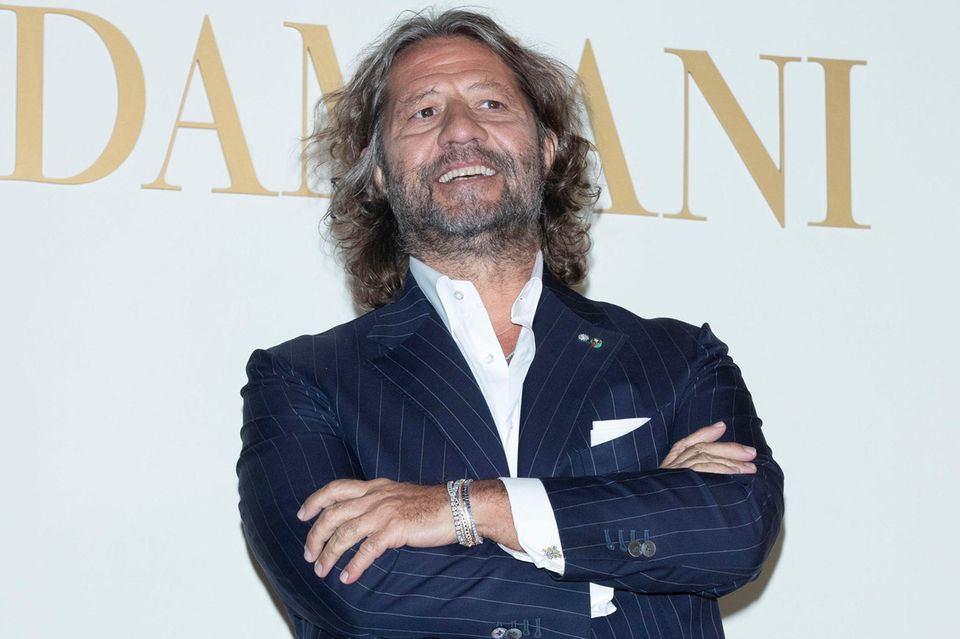
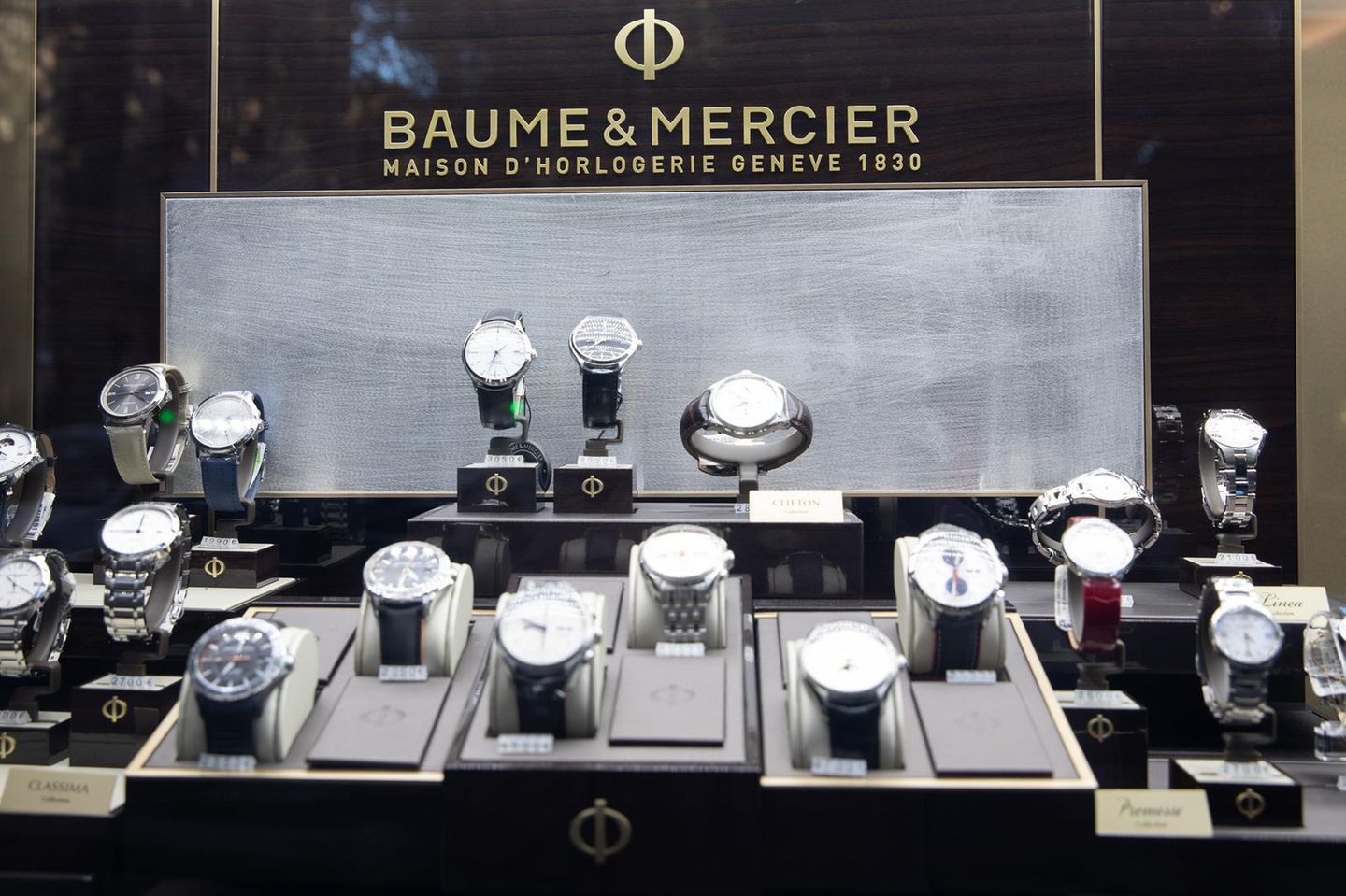
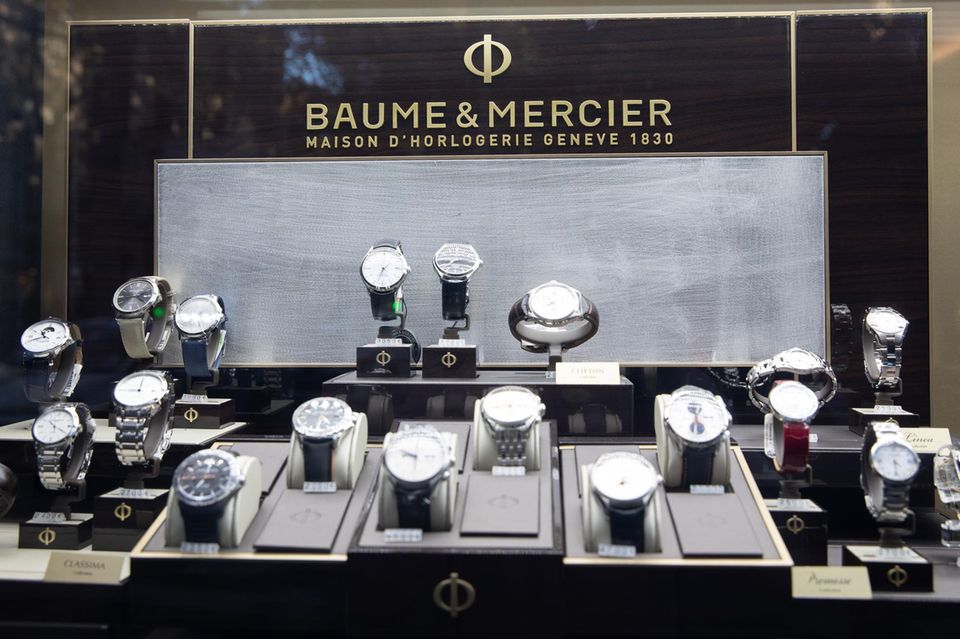
January 22, 2026, is likely to mark a turning point in the watch industry. Richemont has officially confirmed the sale of the watch brand Baume & Mercier to the Italian Damiani Group. The deal, whose financial terms were not disclosed, is expected to be completed in the summer of 2026 and ends the 38-year corporate affiliation of the traditional manufacturer.
The decision does not come as a complete surprise. Baume & Mercier had long been considered a loss-maker, which, according to analyses by investment bank Kepler Cheuvreux, generated around €100 million in revenue but operated at a loss. Why? In the fiercely contested segment of moderately priced luxury watches (starting at €2,000), Richemont simply lacked the industrial scale to compete profitably against the overwhelmingly powerful Swatch Group and its brands like Longines, Tissot, or Omega.
The numbers speak for themselves: While the glamorous stars of Richemont’s portfolio like Cartier achieved an operating margin of 32.8 percent in the first half of 2025/26, the “Specialist Watchmakers” division reached a meager 3.2 percent. In the full year 2024/25, the jewelry brands (including Cartier and Van Cleef & Arpels) alone generated €15.3 billion in revenue – an increase of eight percent – while the watch division shrank by 13 percent.
Richemont will focus on the “Hard Luxury” segment with correspondingly high margins in the future. Cartier, by far the most important house in the group, remains the cash cow and contributes around 70 percent of the group’s revenue. Baume & Mercier simply no longer fit into this high-margin strategy.
For the Damiani Group, however, the acquisition offers significant potential. The family business founded in 1924 in Valenza is run in the third generation by Guido, Silvia, and Giorgio Grassi Damiani and generated over €380 million in revenue in the 2024/25 fiscal year – an increase of more than ten percent compared to the previous year. In 2022, revenue was still only €238 million.
Crucial is the retail chain Rocca, acquired in 2008 for seven million euros, Italy’s only chain for watches and jewelry. Since the takeover, Damiani has massively expanded this network: from originally 22 boutiques to over 40 locations today in Italy, Switzerland, Albania, and recently Saudi Arabia. Rocca also operates flagship stores in Milan’s elegant shopping arcade Galleria Vittorio Emanuele II, at Rome-Fiumicino Airport, and on the Ponte Vecchio in Venice.
CEO Jérôme Favier, who moved to Damiani in 2018 from jobs at Richemont (for Cartier and Jaeger-LeCoultre), brings deep industry knowledge. His strategy: aggressive expansion through joint ventures with regional traditional jewelers in Calabria in central Italy. The strategic trick: Italy is by far the strongest market for Baume & Mercier with 325 points of sale – more than twice as many as in France (150) or the USA (130). Damiani therefore plans to strengthen the brand through the Rocca branch network and open more mono-brand boutiques.
The brand Baume & Mercier, founded in 1830 in the Swiss Jura, shaped watchmaking history with icons like the “Riviera” model (1973), one of the first luxury sports watches made of steel, and the “Hampton” collection (1994) with its Art Deco design. However, after being acquired by Richemont in 1988, it was overshadowed by more famous sister brands like IWC or Jaeger-LeCoultre.
A technological milestone was the “Baumatic” movement introduced in 2018 – developed in Richemont’s own ValFleurier manufacture and equipped with a five-day power reserve, anti-magnetism, and COSC certification. At an unbeatable price. But this is precisely one of the challenges of the deal: the future supply of this mechanical heart remains unclear, as ValFleurier still belongs to Richemont.

The sale is another indication of a fundamental shift: while Haute Horlogerie, high-end watchmaking, and jewelry are flourishing, the mid-price segment is increasingly coming under pressure. The Swatch Group reported a revenue decline of 11.2 percent to CHF 3.1 billion and a profit plunge from CHF 147 million to CHF 17 million for the first half of 2025. Analysts expect revenue of CHF 6.1 billion and a net profit of CHF 126 million (previous year: CHF 219 million) for the full year 2025.