Editor’s Note
This article highlights Cartier’s recent high jewelry event in Tokyo, celebrating 50 years in Japan. The “Essence” theme explores the five core elements—Movement, Light, Colors, Shapes, and Curiosity—that define the maison’s iconic style, showcased through approximately 300 exceptional pieces.
Cartier held a high jewelry event to commemorate the 50th anniversary of opening its first boutique in Japan. With “Essence” as the theme, the event focused on the five elements (essences) that give the maison’s creations their unique identity: “Movement, Light, Colors, Shapes, and Curiosity.” Approximately 300 exceptional high jewelry pieces and watches were displayed in areas corresponding to these elements.
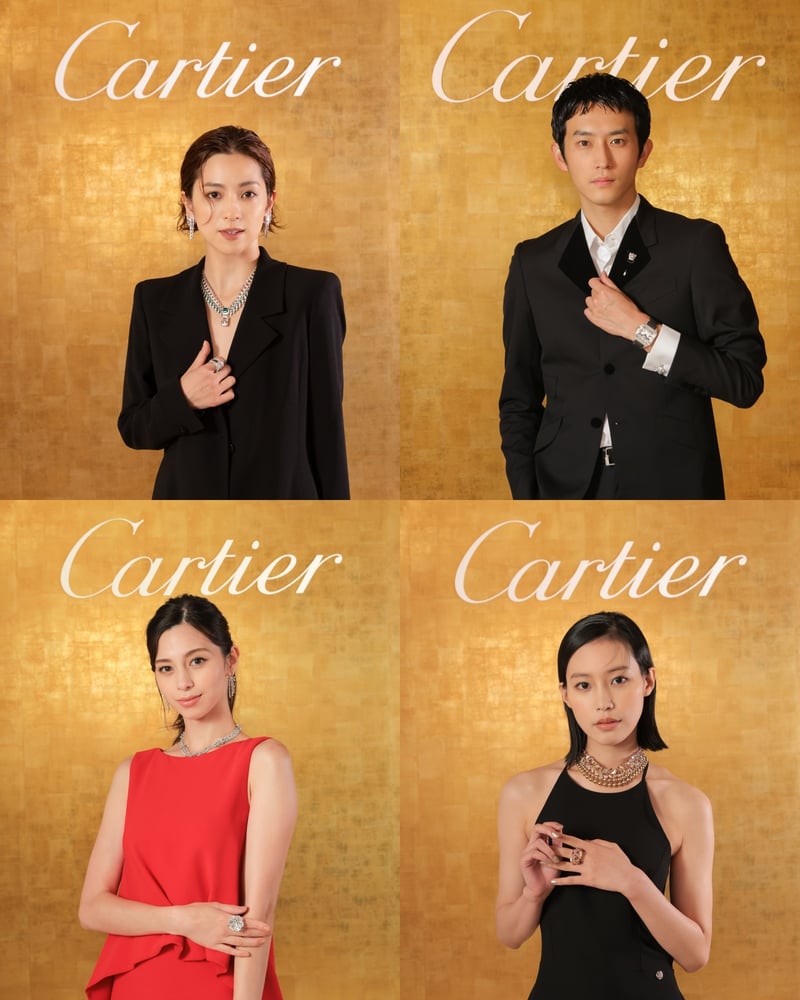
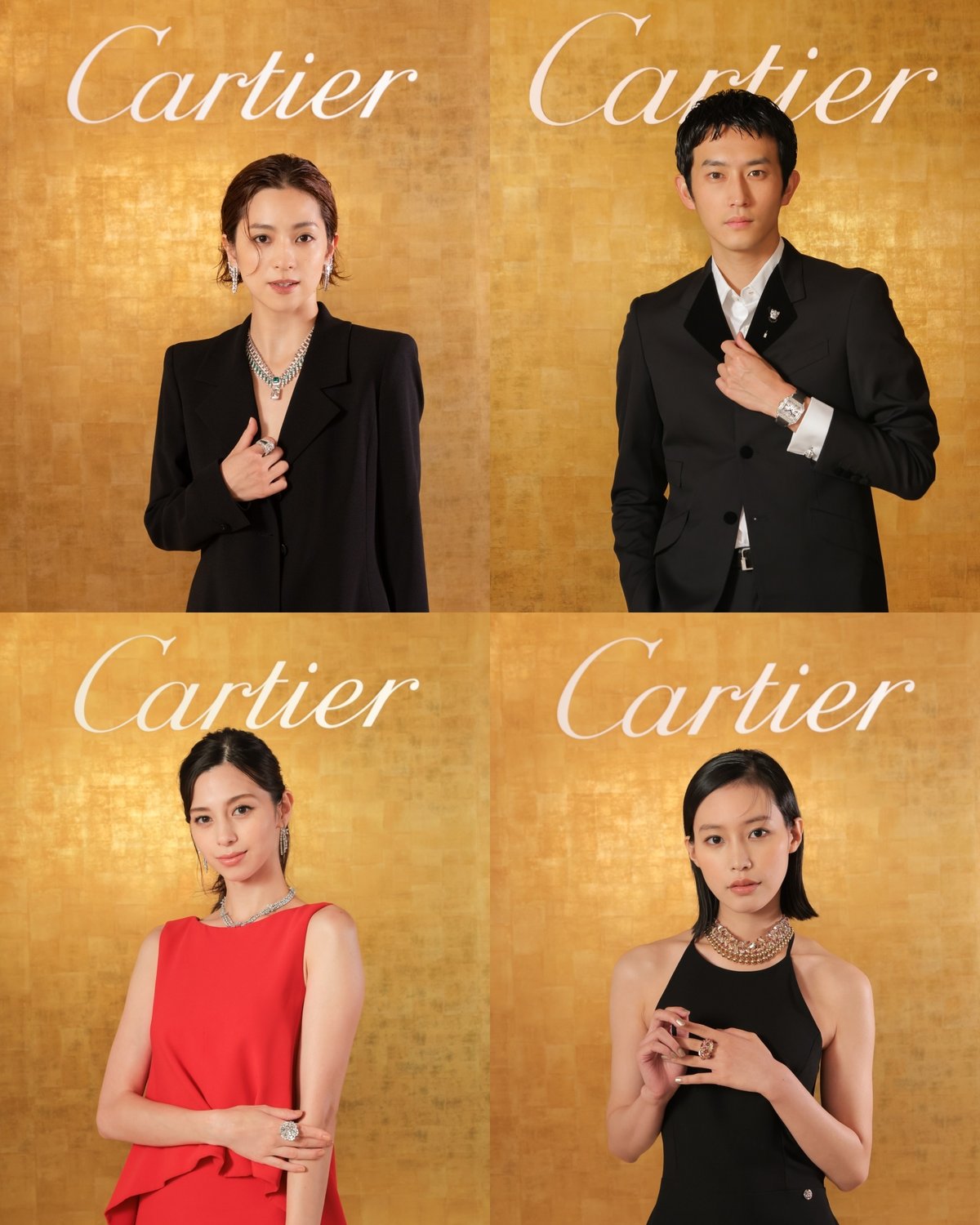
The venue was the Meiji Kinenkan, built in 1881 as Japan’s first state guesthouse (the dining hall of the former Akasaka Temporary Imperial Palace). Located near the area of the first store opened in Palais France, Harajuku, Tokyo, this space harmonizes tradition and modernity and is designated as a Tangible Cultural Property by the Tokyo Metropolitan Government. Four celebrities—Anne Nakamura, Yosuke Sugino, Ayami Nakajo, and Sara Minami—navigated this creative Cartier high jewelry event at the venue.
A special movie was released featuring the four celebrities touring the dazzling venue of the high jewelry event, sharing personal anecdotes related to the keyword “Essence.”
The first area, “MOVEMENT,” showcased high jewelry inspired by the elegant movement of the maison’s symbol, the “Panthère” (French for panther), and supple curves. It featured designs with animal and plant motifs and a sense of dynamic movement. The “SPLENDENS” necklace, inspired by the Siamese fighting fish native to Asia, is a gorgeous design using a total of 125.46 carats of spinel and diamonds set in white gold. Additionally, the new “PANTHÈRE DE CARTIER” ring realistically depicts a panther’s coat with pavé diamonds and white gold spots.
The “LIGHT” area focused on diamonds and the light released from the stones. Pieces were displayed on fixtures that evoked stone cutting and high jewelry lines, expressing a fantastical dance of light. A notable piece was the “PARAJANYA” necklace, named after the Hindu rain god. Its rhythmic design, like dripping rain, maximizes the brilliance and allure of the stones. Also, the new “COUSSIN DE CARTIER” bracelet features a three-dimensional round form. The woven mesh structure with pavé diamond setting gently bounces on the wearer’s skin.
The “COLORS” area displayed color-accentuated creations against walls reflecting the tones of the “Golden Pheasant Room,” known for its eye-catching floral and bird patterns. The carefully selected stone hues and Cartier’s masterful use of color create a sense of exhilaration. A necklace combining aquamarine with opal and diamonds features a design inspired by snowflakes. Stones of similar colors but different textures create a mysterious mood. Also, the “TRESSAGE” ring, resembling a braided chain of coral, diamonds, and gold, is a unique piece reflecting the spirit of former creative director Jeanne Toussaint. The goldwork, three-dimensional effect, and contrast are highlighted.
The “SHAPES” area focused on the shapes of Cartier watches, displayed in open showcases to allow close viewing of their exquisite craftsmanship. Since silhouettes are always formed starting from the design, each piece possesses a form instantly recognizable as Cartier. Particularly, the “BALLON BLEU DE CARTIER” watch features a bold design with a blue cabochon enclosed in a balloon-like, light form. The white gold case and bracelet are set with 1,221 brilliant-cut diamonds, and the dial with 476. This is the “Celti Vibran” model, where the diamonds on the dial sway and sparkle with slight movement.
The “CURIOSITY” area introduced the “Cartier Tradition” collection, which restores and sells precious past works of the maison. Creations made throughout its long history are authenticated based on materials in the archives and meticulously restored by expert craftsmen. This timeless creativity captivates collectors worldwide and is rarely seen in Japan. The oldest piece in this lineup is a pendant watch released in 1905. The pendant combines diamonds, seed pearls, and platinum with a light blue top; flipping it over reveals the watch dial.