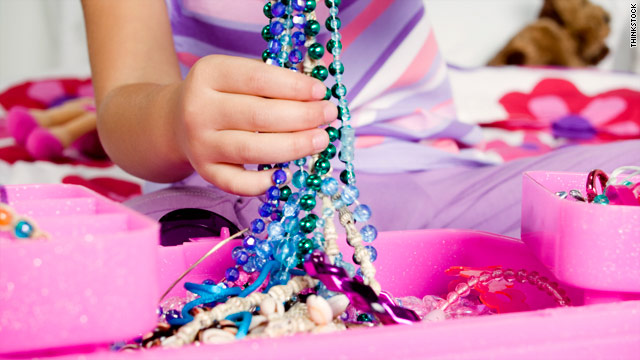
A Consumer Reports investigation has detected worrisome levels of lead and cadmium in children's products including hair barrettes, cell phone charms, and rain coats, raising concerns for jewelry buyers sourcing children's accessories. The findings highlight the need for stricter testing protocols and supply-chain vigilance, particularly for importers and distributors of children's jewelry and hair accessories.
Key findings from Consumer Reports
The magazine tested over 30 children's products using X-ray fluorescence and laboratory analysis, focusing on lead and cadmium levels. A green clover-shaped cell phone charm from Claire's contained 100,000 parts per million of total lead, a level that would be illegal if marketed to children under 12. A Revlon Couture Hair Accessory Barrette tested positive for high total cadmium, though exposure risk through normal use was deemed low. A Kidorable bumblebee raincoat also showed elevated lead in older versions.
Supply-chain impact for jewelry buyers
Cadmium, commonly used in paint and batteries, is increasingly found in children's jewelry, hair barrettes, and charms. Young children often put such items in their mouths, creating ingestion risks. The U.S. Consumer Product Safety Commission has not yet set cadmium limits for children's jewelry, but Consumer Reports urges regulation. Importers and distributors should anticipate stricter compliance requirements and consider proactive testing for cadmium and lead in all children's jewelry lines.
Industry response and compliance signals
Claire's voluntarily recalled a charm bracelet in May 2010 after high cadmium reports and now requires all suppliers to test for cadmium in children's jewelry, in addition to existing lead and nickel testing. Revlon did not comment. The Kidorable raincoat case shows that older, non-compliant inventory may still circulate, emphasizing the need for buyers to verify product versions and labeling. Sourcing from suppliers with documented testing protocols is critical.
What buyers should watch
Consumer Reports advises using DIY screening kits, avoiding cheap metal jewelry for children, and checking government recall lists. For B2B buyers, this means requesting certificates of compliance for lead, cadmium, and nickel from suppliers, especially for OEM/ODM orders of children's jewelry, hair accessories, and charms. Retailers like Claire's have already tightened supplier requirements, setting a precedent for the industry. Proactive testing and supplier audits can mitigate regulatory and reputational risks.
Source: Read the original report | Published: October 05, 2010