Editor’s Note
This glimpse into the lives of small-scale traders in Shanghai reveals how the smartphone has become the indispensable nerve center of modern commerce, transforming every moment into a potential broadcast and negotiation.
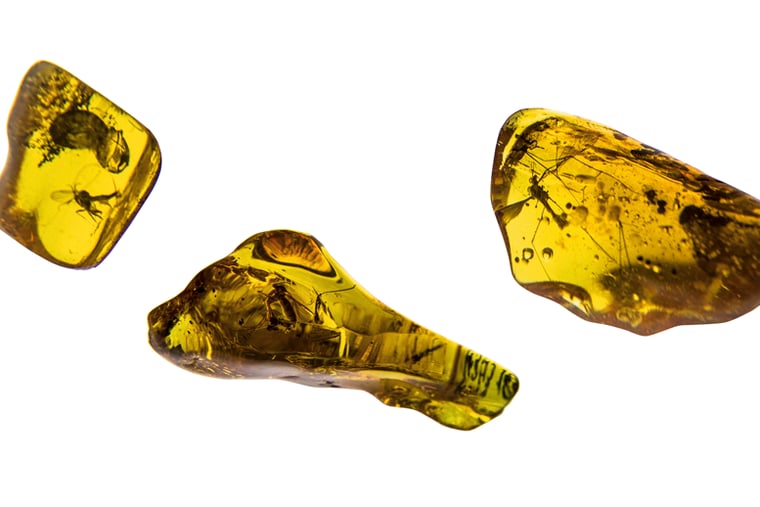
The married couple Hu and Li run a small amber shop in Shanghai and a small trading company in Gdansk. However, like everyone else here, their most important business platform is in their hands: the smartphone. When they are interested in goods at a stall, they stop, have the goods briefly presented to them, and then merge with their smartphones for minutes. They take photos, film, and narrate what makes the stones in front of them special and what price they have in mind. They then post the content on the platform WeChat, a Chinese WhatsApp.
For decades, amber on the Baltic Sea was a cheap souvenir for tourists. Then the Chinese came. And suddenly, the stone attracts crooks, fortune seekers, and businesspeople. Insights into a competition on a truly globalized market without rules.
A short walk away from the paradise of scoundrels, the Baltic Sea looks like in a spa administration brochure. Fine sand, rugged dune cliffs, fragrant pines. Svetlana and Maria stroll along the endless shoreline, as they have done almost every morning during the season for years. The division of labor is clear. Maria, the younger one, walks ahead by the water, slightly bent over, and repeatedly reaches into the sand. Svetlana walks a few meters further back, where the sand is already dry, wandering left and right. The two are searching for amber, just as a nostalgic person might imagine. By the water, Svetlana finds the small pieces that come with almost every tide.
Further back, the larger pieces could lie, from last night’s storm.
Much experience resonates there, and also a bit of disappointment. Both know: What they are doing here is a small side income; the big business with the stone is made behind the pine forests.
Yantarny, Kaliningrad Oblast, Russia, the home of amber. Here, on today’s Baltic Sea coast, once stood the forest from which a rare tree disease and the timely ice age a few thousand years ago created the largest deposit of the semi-precious stone. It is the only place in the world to date where the best Baltic amber can be mined industrially. Over 90 percent of the world’s deposits lie under and around the town of Yantarny, which translated into German would simply be called Amber. Whoever sits in the right place here can currently become fabulously rich in the shortest time with little effort. Because in recent years, what seemed impossible for decades has happened: amber has become a coveted commodity.