Editor’s Note
This article details the imminent launch of a major synthetic diamond production facility in Spain, backed by American firm Diamond Foundry. The project, set to begin operations this autumn, aims to position the country as a significant player in the lab-grown diamond industry.

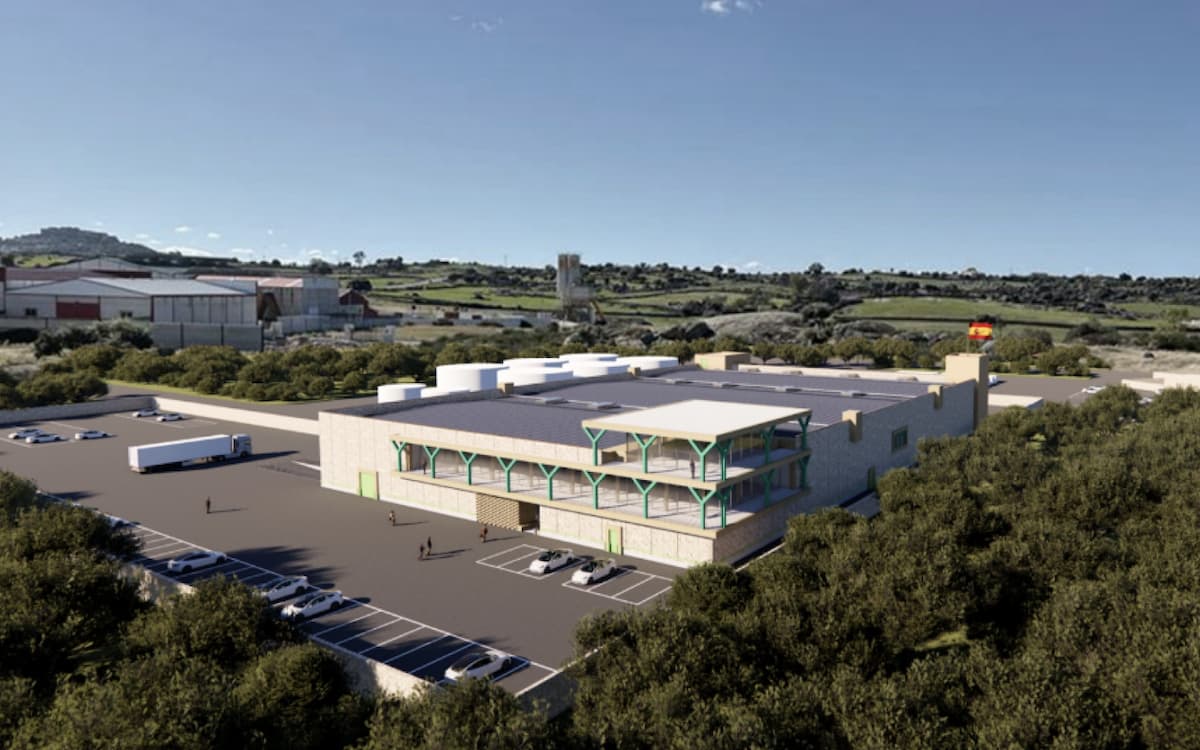
In just a few months, with the arrival of autumn, Spain will become a leader in diamond production. Synthetic diamonds, that is. This has been confirmed by Diamond Foundry, the American company – in which Hollywood star Leonardo DiCaprio is a shareholder – that is building a synthetic diamond factory in Trujillo (Cáceres).
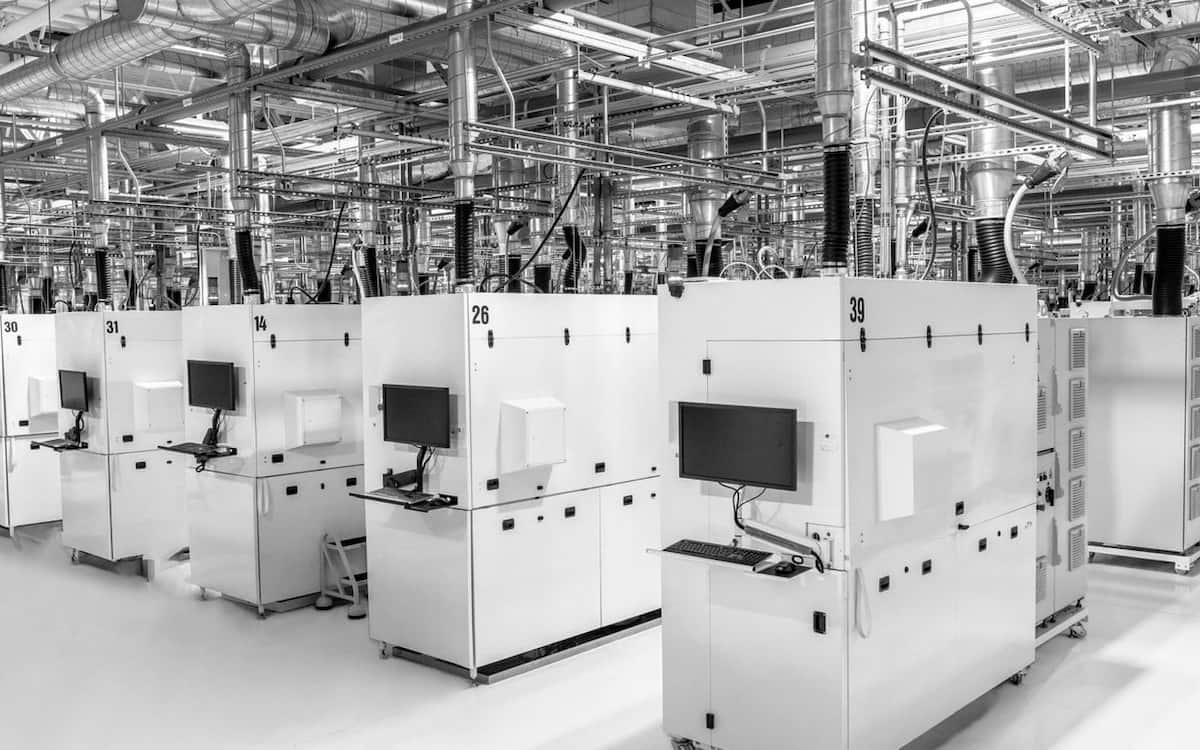
Rafael Benjumea, president of Diamond Foundry España, estimates that all the production reactors for the initial phase will be operational in the first half of next year, while production with a first line of 14 reactors would begin in autumn.
But what are synthetic diamonds used for? Although their use in jewelry may be the most eye-catching at first glance, the truth is that this material is destined for much more relevant industrial uses. By sharing the same physical, chemical, and optical properties as natural diamonds, they can be used in a wide variety of applications, ranging from jewelry to industry and technology.
The major innovation of this infrastructure’s production is the potential use of synthetic diamonds in the semiconductor industry. This technique reduces the semiconductor’s temperature and improves data processing speed.
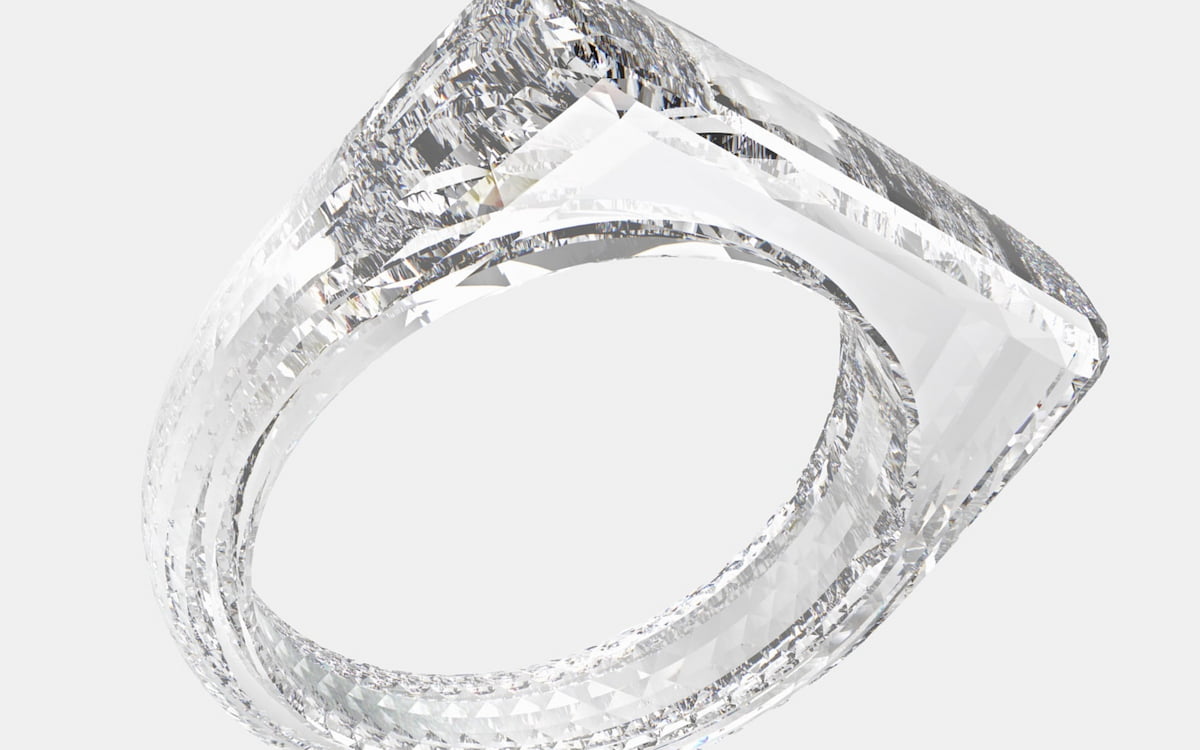
For those who want – or can – afford to acquire a specimen, take note: the first diamonds from Trujillo are planned to be sold on Serrano Street in Madrid.
The planned investment is 675 million euros. Furthermore, the creation of 300 direct jobs and double that in indirect jobs is anticipated, which will undoubtedly stimulate the local economy. It is estimated that by the end of 2027, all three phases of the project will be completed. About 60% of the work has already been completed in this first phase, with an investment of 245 million euros.
According to data provided by Diamond Foundry, there are currently 30 of the total 100 workers for this phase. In fact, the first of three 6,000-square-meter buildings is already visible in the Arroyo Caballo industrial park in Trujillo, which will house one-third of the 750 reactors for synthetic diamond manufacturing.
United States: Diamond Foundry, one of the leading companies in synthetic diamond production, is headquartered in California.
China: Several Chinese companies such as Jiangsu Huanghe Whirlwind Technology and Henan Province Synthetic Diamond Superhard Material Research Institute are also involved in synthetic diamond production.
Japan: Sumitomo Electric Industries is one of the Japanese companies that produces synthetic diamonds.
Russia: New Diamond Technology is a Russian company dedicated to producing synthetic diamonds for industrial applications.
Diamonds without being mined from the earth? Yes, it’s possible. Synthetic diamonds, also known as lab-grown diamonds, are a real alternative to natural diamonds. They share the same physical, chemical, and optical properties as their mined counterparts, but with a significantly lower environmental and social impact.
And how are they made? There are two main methods:
Chemical Vapor Deposition (CVD). A carbon-rich gas is introduced into a chamber at high temperature and pressure, where it deposits onto a small diamond seed. Gradually, the seed turns into a larger diamond.
High Pressure High Temperature (HPHT). A small piece of diamond is placed in a press with a catalyst at temperatures and pressures similar to those found deep within the Earth. The carbon dissolves into the diamond and then recrystallizes, creating a larger diamond.