Editor’s Note
This article is part of our “Its Hidden Treasures” series, exploring the rich cultural and historical gems of lesser-known destinations. Here, we spotlight Chanthaburi City, where a unique blend of Thai history and European influence is etched into the very architecture, most notably within its historic cathedral.
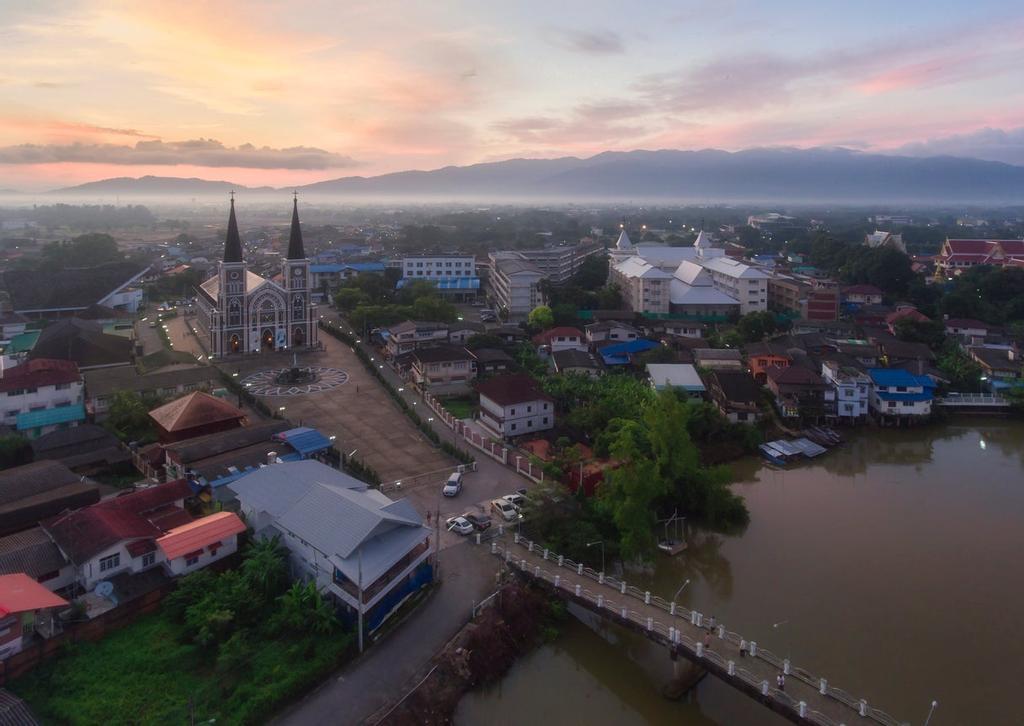
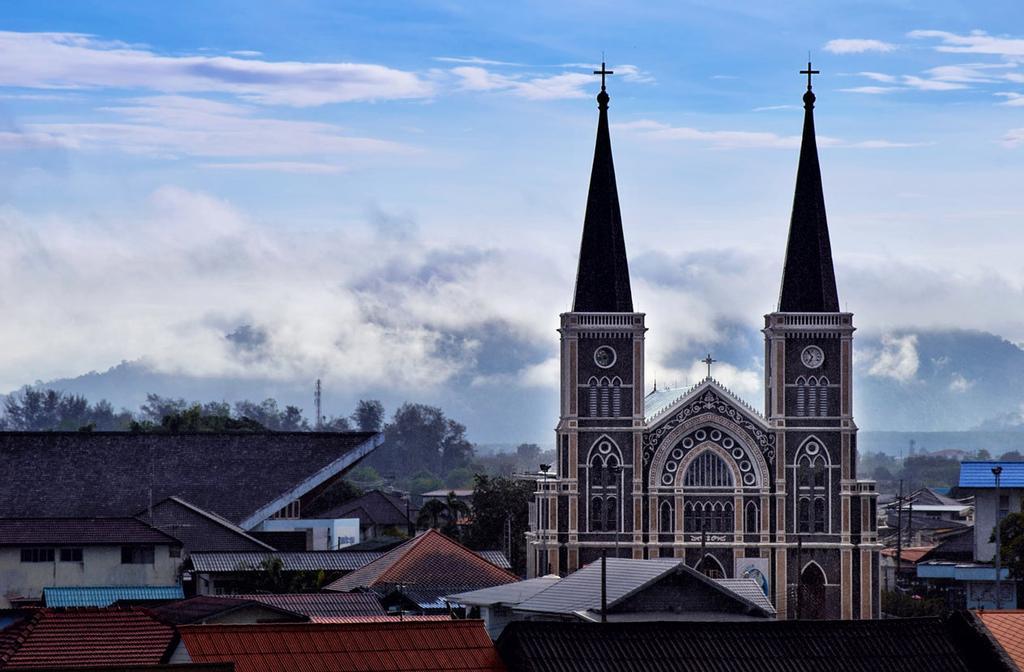
The city of Chanthaburi itself stands as a perfect getaway within the province. With a rich history and a river running through it, Western influence, particularly French, can be seen in much of its architecture, specifically in Thailand’s largest Catholic cathedral, the Cathedral of the Immaculate Conception, built 300 years ago, although its most significant reconstruction took place at the beginning of the 20th century, in 1903.
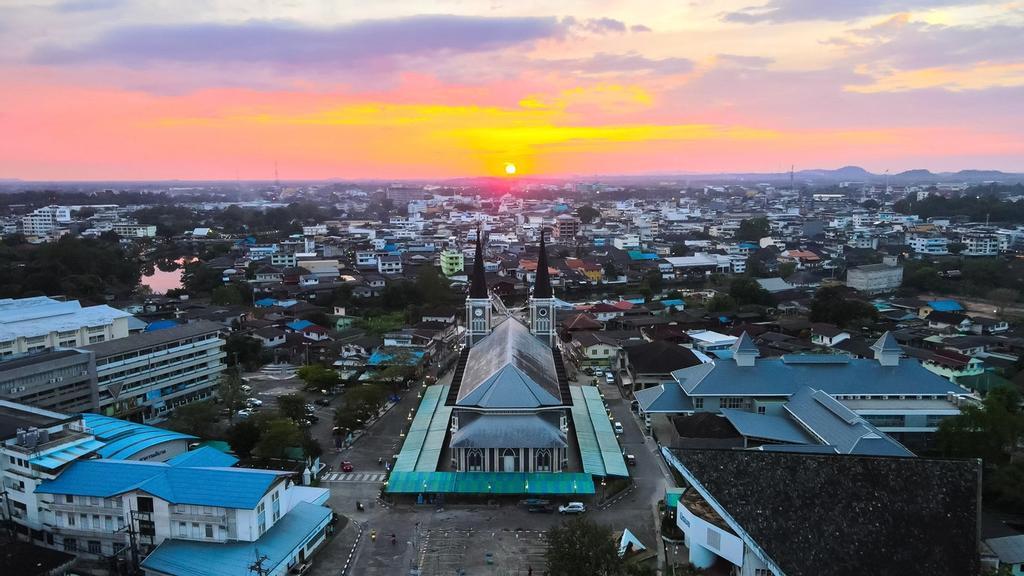
From one of its towers, beautiful views of a 2-kilometer radius can be observed, and its stained-glass windows provide beauty and color to the entire interior.
Local and riverside communities showcase the traditional vision of Thailand. In the city of Chanthaburi itself, and marking the urban development of the area, the Chanthaboon riverside community offers a space for leisure and remembrance for visitors, with a wide range of leisure and dining options, iconic buildings with fusion architecture, and special corners with different paintings for souvenir photos. Also, the Thachalab community, mainly fishermen dedicated to fish and oyster farming, is an example of Thai tradition, as they are specialists in processing papyrus as a resistant and ecological material to make different products such as mats, containers, boxes, shoes, or bags. In fact, one can experience papyrus processing firsthand.
To learn more about the history behind Chanthaburi’s gems and jewelry, one must not miss a visit to the Talad Ploy local community or the Chanthaburi Jewelry and Gem Manufacturers Association Living Museum, a space with exhibition halls and demonstrations of the gem production and treatment process, along with thematic audiovisual spaces. Furthermore, at the Bo Ploy Lek Petch Community Learning Center, one can experience the entire process of gem excavation and treatment firsthand.
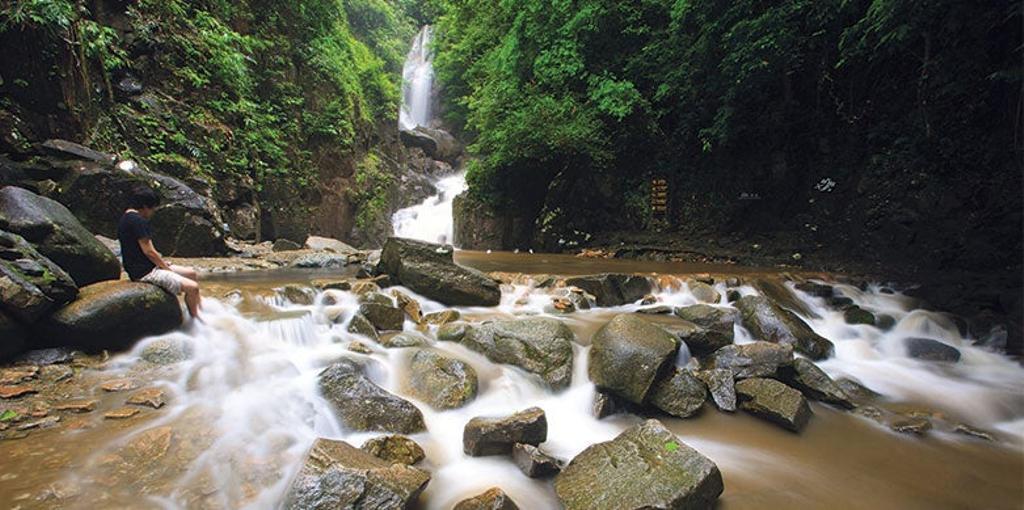
Organic farms, like Sutee’s, cover a total of 16 hectares with a wide variety of herbs, spices, and fruits cultivated efficiently and organically, which can be cooked and then eaten as the farm’s own product. Chanthaburi is also known for its natural beauty. It has 30% of the natural areas of all eastern provinces of Thailand, with enclaves such as Namtok Phliu National Park, which extends over an area of 134.5 square kilometers, or Khao Laem Sing Forest Park, with 1,500 hectares of evergreen forests, small mountains about 172 meters above sea level, beaches, and islands.
Furthermore, in its geographical diversity, the most beautiful scenic spot in eastern Thailand stands out, Nern Nang Phaya, or Chao Laow beach, with attractive clear waters, ideal for diving. One of the best sunsets in Chanthaburi can be seen from the area of Chedi Klang Nam in Ban Hua Laem. Built on a rock to protect fishermen, it is accessed via a wooden bridge from which beautiful views of the horizon and the sea can be observed.