Editor’s Note
This article has been updated to reflect Christie’s cancellation of a controversial auction featuring items from the collection of Heidi Horten, following significant criticism from Jewish organizations regarding the origins of the Horten family wealth.
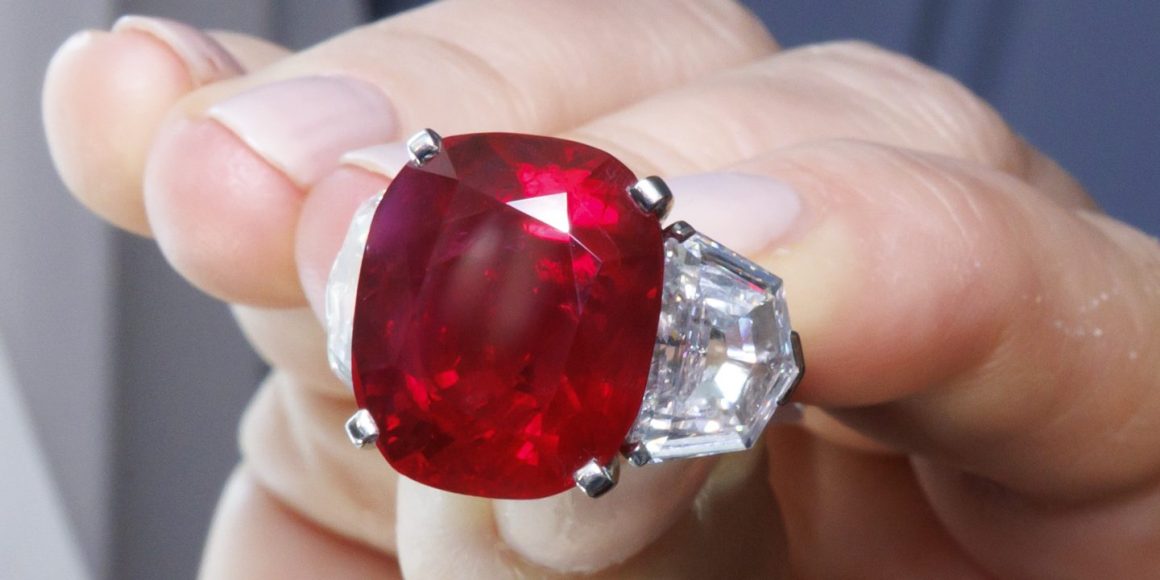
The London auction house Christie’s cancelled a planned auction of approximately 300 additional items from the collection of Austrian “department store heiress” Heidi Horten on Thursday. This decision came after Jewish organizations and collectors voiced their strong disapproval.
In May, jewelry and gemstones from the estate of Helmut Horten’s (1909-1987) widow, who died in 2022, were auctioned in Geneva. The sale proceeds at that time exceeded $200 million. The Heidi Horten Foundation stated that the majority of the funds would be spent on science and charitable purposes, including Holocaust education. However, numerous historians and organizations representing the interests of Holocaust survivors had sharply protested against the sale.
Helmut Horten had incorporated department stores into his retail empire during the Nazi era, which had previously been sold by their Jewish owners under duress and far below their value. Horten proudly presented this change of ownership at the time as a successful “Aryanization.” After the war, he transferred his wealth to Switzerland. Heidi Jelinek, born in 1941, married Helmut Horten in 1966 and inherited his fortune, estimated at several billion euros, after his death in 1987.
Christie’s had revised the auction catalog following criticism but proceeded with the auction nonetheless. Several organizations, including the Israeli Holocaust memorial Yad Vashem, refused to accept the donation money offered by Christie’s from the auction proceeds. The Tel Aviv Museum of Art cancelled a conference on art restitution planned jointly with Christie’s after a US association of Holocaust survivors urged it to do so.
The protests now appear to have had an effect.
HSF Chairman David Schaecter welcomed the decision.