Editor’s Note
This article examines a notable shift in the diamond market, where economic and geopolitical turbulence is driving demand toward smaller stones. It highlights how current conditions are reshaping consumer preferences and industry dynamics.
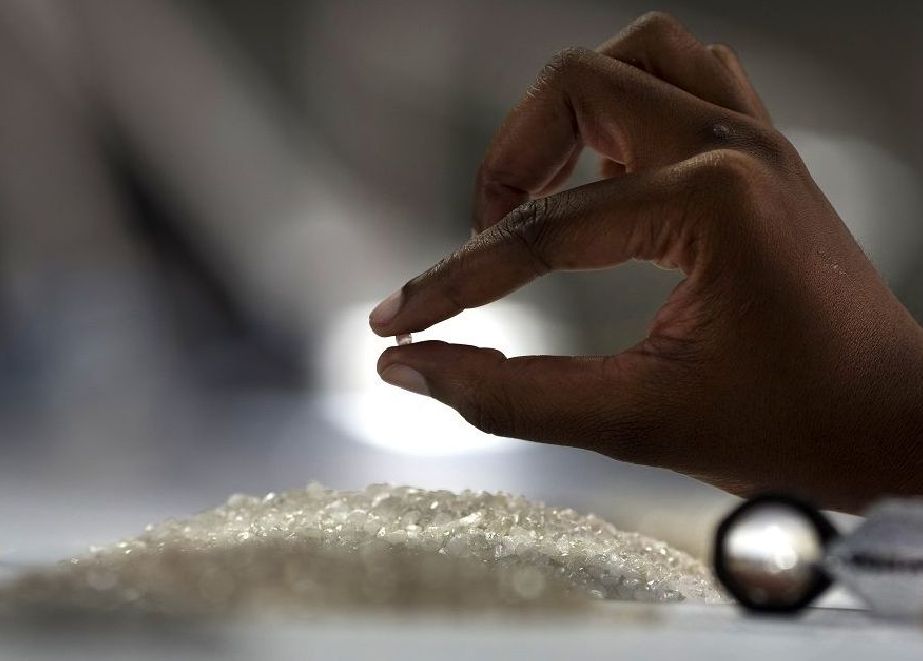
Inflation, China’s zero-Covid policy, and the Ukraine war are causing turbulence in the diamond market, from which small gemstones are benefiting. The motto “the bigger, the better” does not currently apply. High buyer interest exists primarily for rough diamonds under 0.75 carats, while demand for larger stones is weakening.
said Richard Duffy, CEO of Petra Diamonds, regarding the results of the November sales cycle. This is because traders with a strong China focus have drastically reduced their purchases due to the persistently strict zero-Covid policy and the resulting low local demand. This primarily affects high-quality one- to two-carat rough diamonds. In contrast, Petra recorded largely stable prices in the smaller size classes compared to previous sales cycles.
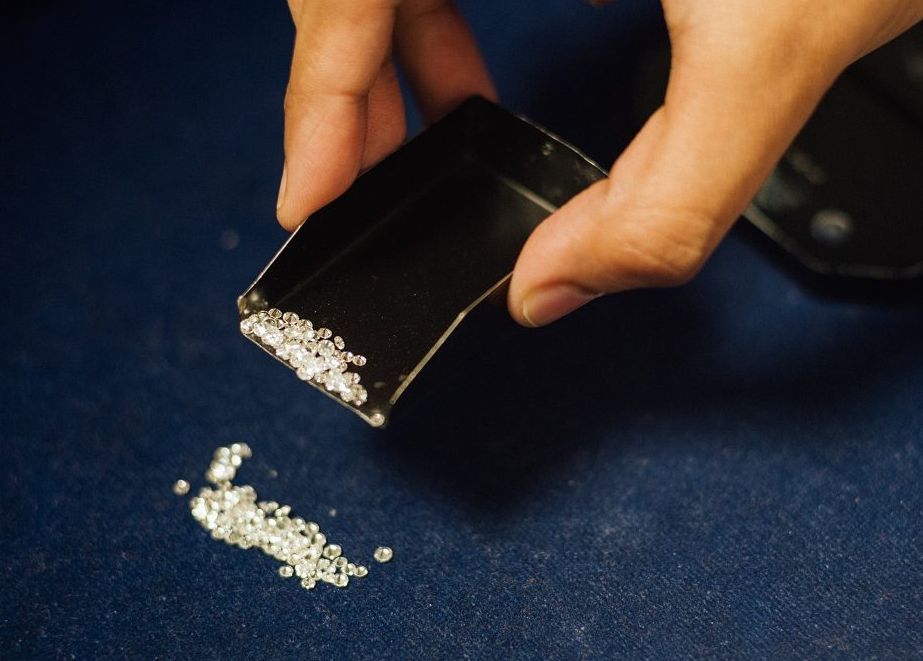
This trend had already become apparent for other mining companies and traders in September and October. At the recent Trans Atlantic Gem Sales auctions in Dubai, 45% of rough diamonds found no buyers, with size classes over 0.75 carats being the most affected. Demand and prices for smaller colorless stones were stable, and brownish diamonds of lower quality could even be sold at slightly higher prices than in previous months.
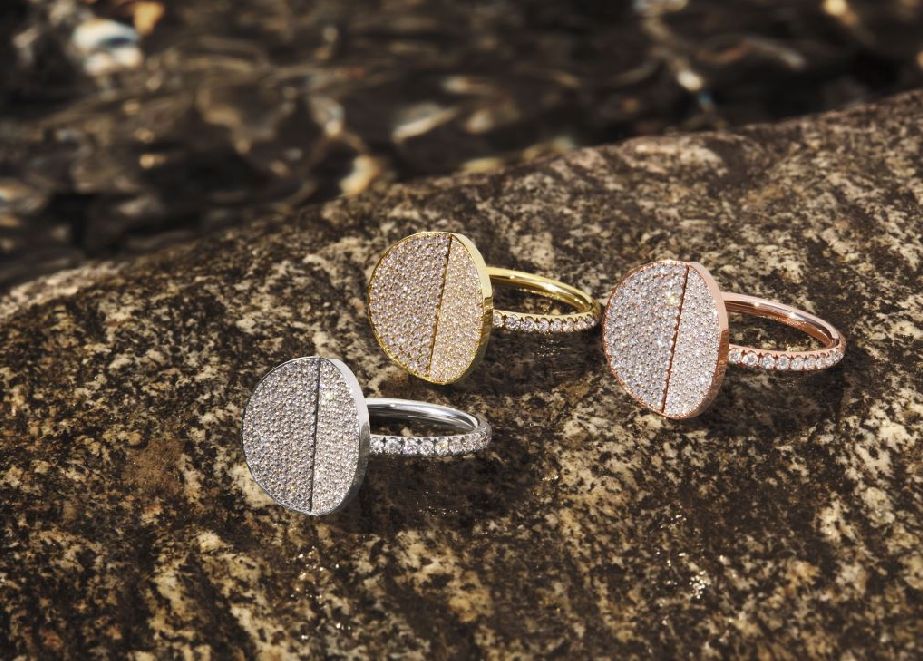
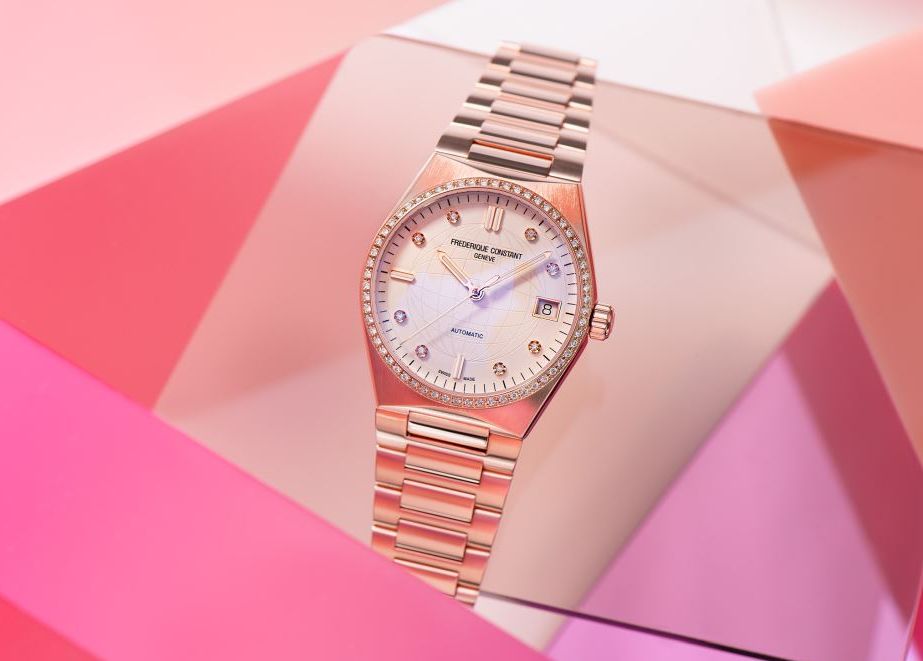
Top-tier jewelry brands like Tiffany & Co., Cartier, Chopard, Bulgari, Bucherer, or Piaget require, in addition to high-carat gemstones, large quantities of point and melee diamonds, for example for many jewelry pieces with pavé settings. Watch manufacturers are also major buyers of the small stones, for diamond indexes or sparkling bezels. And since sales figures have been rising continuously since early 2020 and companies have adjusted their production accordingly, more of the small diamonds are needed. In anticipation of continued good business, some brands, according to industry insiders, have already increased their inventories for the coming months.
Furthermore, during economically tense periods when many consumers watch their budget more than usual, there is a general trend towards more affordable jewelry with fewer and/or smaller diamonds, which also increases demand for correspondingly sized rough diamonds.
Indian polishing operations are also currently showing increased interest in such gemstones. Mainly because, given the uncertain economic situation, they are striving to reduce costs to retain their workforce. During the first Covid lockdown, they laid off employees, and many of them could not return when operations resumed. Indian diamond companies want to avoid further staff shortages if possible.
However, the overall increasing demand for small diamonds is meeting a reduced supply. Before the Ukraine war, about 27% of the total annual diamond production came from the Russian Alrosa group; its market share for small rough stones was even 50%. Although Belgium, the United Arab Emirates, China, India, or Israel continue to do business with the Russian supplier, overall fewer of these gemstones are entering trade, and they are also harder to sell than before. Major customers like Tiffany or Signet stopped purchasing diamonds from Russia at the end of March, regardless of the country where further processing takes place.
The gap in supply caused by the partial loss of Alrosa goods cannot be completely closed. The best alternative source, according to experts, is the Venetia mine of De Beers in South Africa. However, the transition from open-pit to underground mining is underway there, and full recommissioning is only planned during the course of next year.
Volatility in the diamond market is expected to remain high for the foreseeable future. Because supply, demand, and prices depend on more factors than usual, making forecasts even more difficult. Overall, however, mining companies, traders, and processors are of the opinion that they will weather the turbulent times and are eagerly awaiting the first sales cycles of the new year.