Editor’s Note
This article examines how sanctioned Russian diamonds are re-entering global markets through indirect channels, with Alrosa reportedly exporting at pre-war levels. The diamond industry’s initial post-invasion disruption appears to be easing.
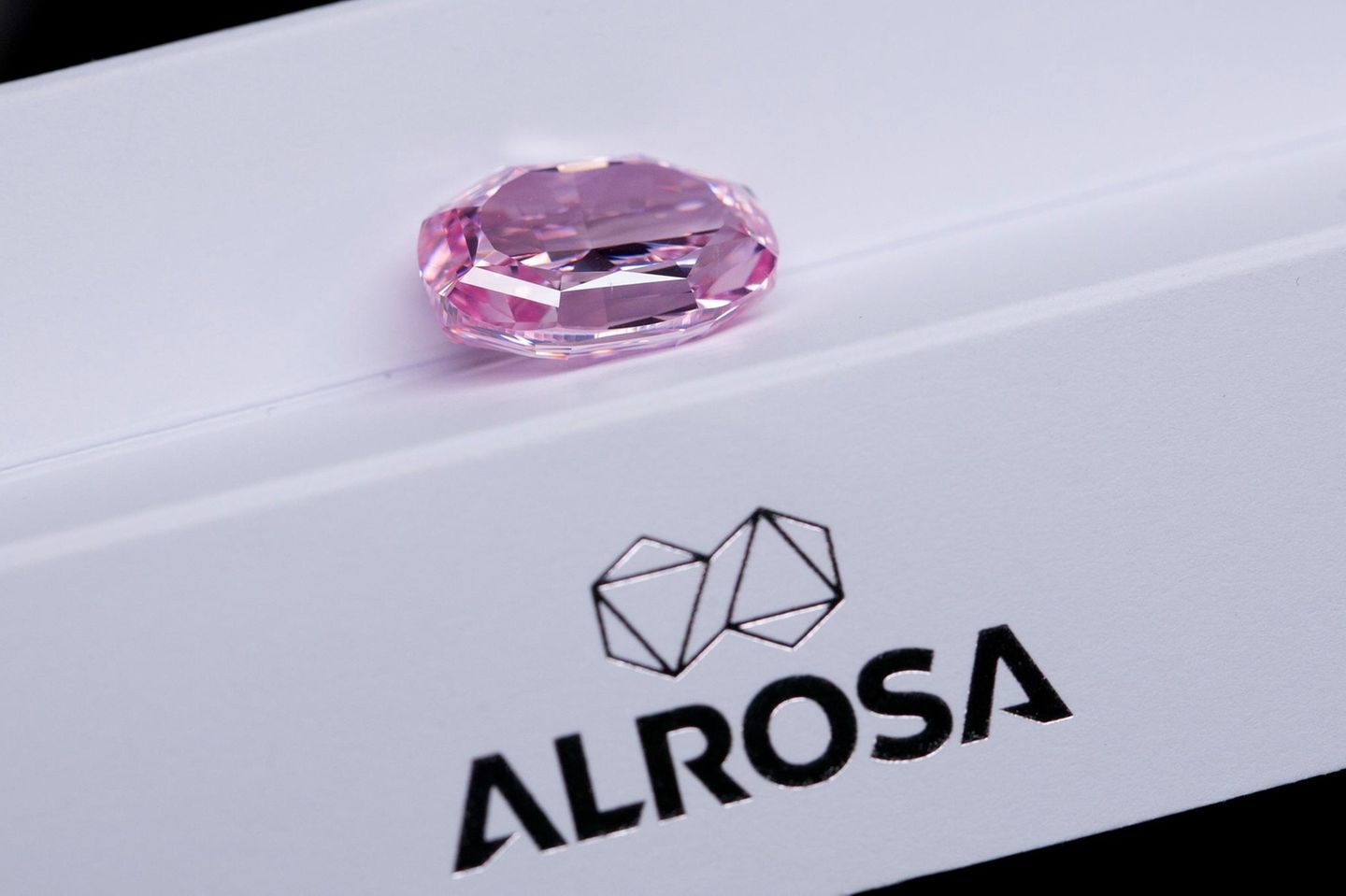
Russia is a key player in the precious stone trade. Following the invasion of Ukraine, this trade initially came to a halt. However, Russian diamonds are now finding their way back onto the global market through convoluted channels.
The panic that gripped the diamond industry this year is gradually subsiding. Contributing to this is the sanctioned Russian mining giant Alrosa, which has quietly increased its exports back to pre-war levels.
Alrosa accounts for about one-third of the global rough diamond supply. The $80 billion industry was thrown into turmoil as cutters, polishers, and traders sought ways to continue buying diamonds from Russia while their banks were unable or unwilling to finance the payments. The sudden shortage of stones caused diamond prices to skyrocket, particularly for the smaller, cheaper gems that Alrosa specializes in.
After months of stagnation due to US sanctions, Alrosa is now selling over $250 million worth of diamonds per month again. According to people familiar with the matter, this would put current revenues only about $50 to $100 million per month below pre-war levels.
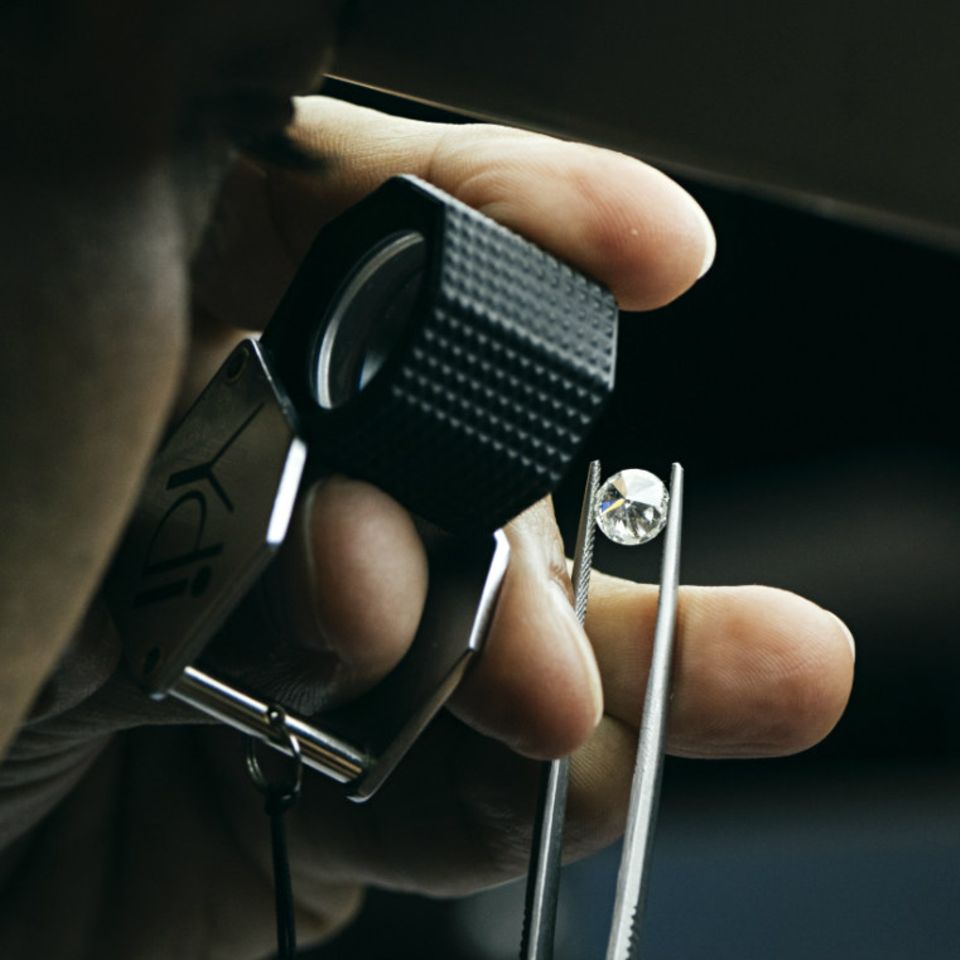
Most Russian stones go to manufacturers in India, where hundreds of mostly family-run companies cut and polish rough diamonds into finished products for earrings and engagement rings. The people said Alrosa has sold diamonds to buyers in India and Europe, mostly in exchange for rupees.
There is no evidence that the sales violated sanctions or laws. However, the people said there is still widespread unease about the consequences of trading in Russian goods. The deals are being handled discreetly—even by the famously secretive diamond industry’s standards. Alrosa has stopped publishing information about its sales or financial results. An Alrosa spokesperson declined to comment.
The return of one of the world’s most important sources of gemstones provides relief for the producers and traders who rely on these stones. However, rough diamond prices were already showing signs of softening in response to worsening economic prospects, and the increased supply is contributing to further weakness.

The resumed sales show that buyers of Russian products—from oil and gas to coal and aluminum—have found ways to maintain the supply of raw materials despite the war’s impact.
There is a reputational risk for the diamond trade. If consumers want to avoid Russian diamonds, they might forgo purchasing altogether, as it is difficult to trace the origin and supply chain of a specific stone due to the nature of the industry. Millions of interchangeable gemstones pass back and forth among dozens of traders and manufacturers before finally ending up in a jeweler’s display window.
Some parts of the diamond industry have pushed to ostracize Russian production—US jewelers Tiffany and Signet Jewelers stated they would no longer buy newly mined Russian diamonds. Some countries, including the US, wanted to label the gemstones as “conflict diamonds,” as reported by the New York Times.
However, Indian and Belgian buyers and jewelry traders with key markets like China and the Middle East remain very interested in Russian diamonds. They sought solutions after banks were no longer able or willing to process payments once sanctions took effect.

Alrosa is effectively state-controlled: 33% is owned by the Russian Federation, and another 25% is held by local entities. The company competes globally with the Anglo-American subsidiary De Beers. Both companies produce roughly the same amount of diamonds annually.