Editor’s Note
This article highlights the strategic pivot of jewelry manufacturer Ilaria as it seeks international growth. By focusing on digital expansion and deepening its network of local artisans, the company aims to balance modern scalability with its heritage of craftsmanship.
The jewelry manufacturer Ilaria is preparing to internationalize its business. To achieve this, it aims to boost its digital presence and has already begun strengthening its production networks with artisans across various regions of the country.
Daughter of the founder of the Peruvian brand with 30 years of operation, Beatrice Ciabatti simply asks for her name to be pronounced in Italian, emphasizing the last syllable (Beatriche). This is no coincidence; her mother and father were born in Italy. She was born in Peru but returned to the peninsula to study Literature and Letters. During her academic years up to age 23, she worked as a model and employee for major fashion houses like Ferragamo and Tucci in Michelangelo’s city, Florence. There she married, had two children, and after her husband’s passing in 2000, returned to Peru to be close to family.
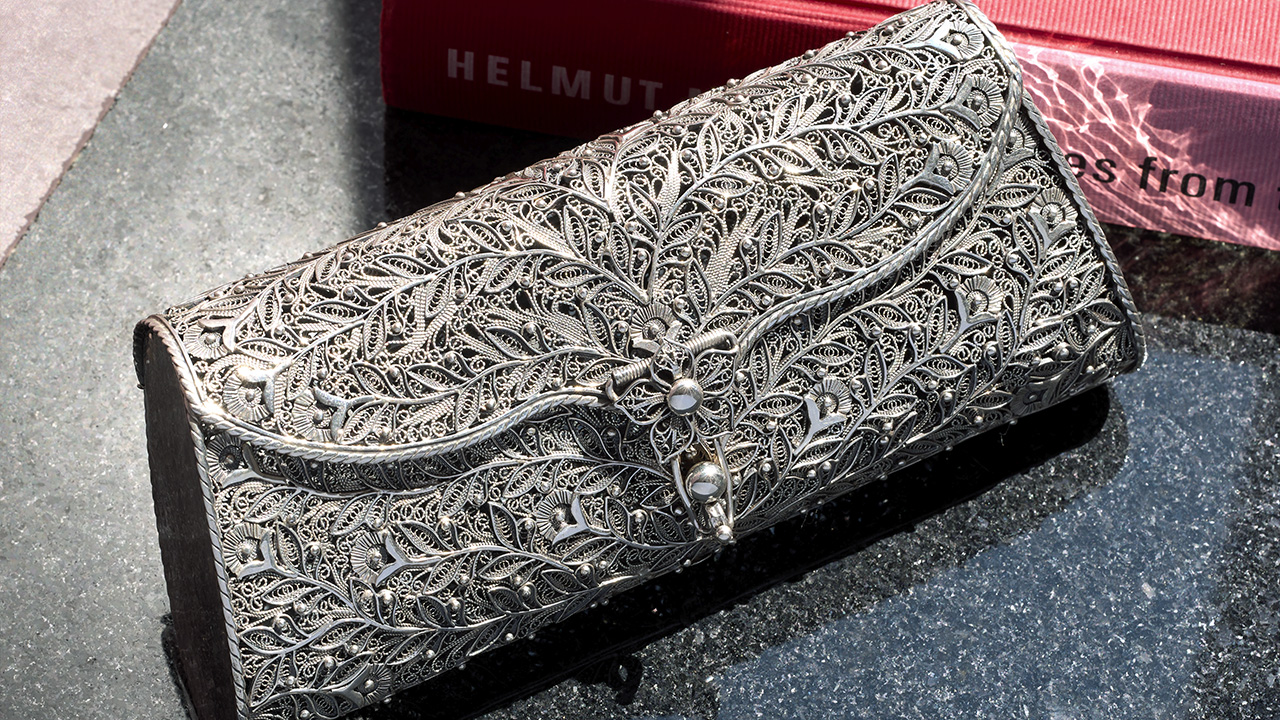
It was precisely at the turn of the century that Ilaria began shaping its current business model, transitioning from being called “Ideas aplicadas,” a manufacturer and exporter of silver items (like frames, fountains, and vases) to Europe, to adopting its current name (Ilaria, after its founder) and reorienting itself to the domestic market with an exclusive line of ‘jewelry for ladies’.
And this strategy has borne fruit.
Currently, 60% of Ilaria’s revenue comes from Miss Ilaria, the line focused on young women; followed by the men’s line, which accounts for 10% (and grew between 10% and 12% last year compared to the previous year); and the Classic, Kids, and Decor lines, which capture 22%. These are sales from its 33 stores, distributed in Lima, Arequipa, Cusco, and Trujillo. The remaining 8% is generated through its online channel, which includes all lines, and is currently “among the top 10 stores” in the firm’s sales. [During the COVID-19 pandemic, it was its only showcase and revenue channel].
In the medium term, e-commerce will indeed set the pace for the brand’s next steps. According to Ciabatti — who assumed the deputy general management role five years ago — online sales are providing the company with valuable information to project itself into the international market.
In this regard, Ciabatti reveals they are considering two business models abroad. On one hand, creating franchises for the external market; on the other, a “less rigid” format like pop-ups, a trending exhibition modality in the retail world based on temporary showrooms.
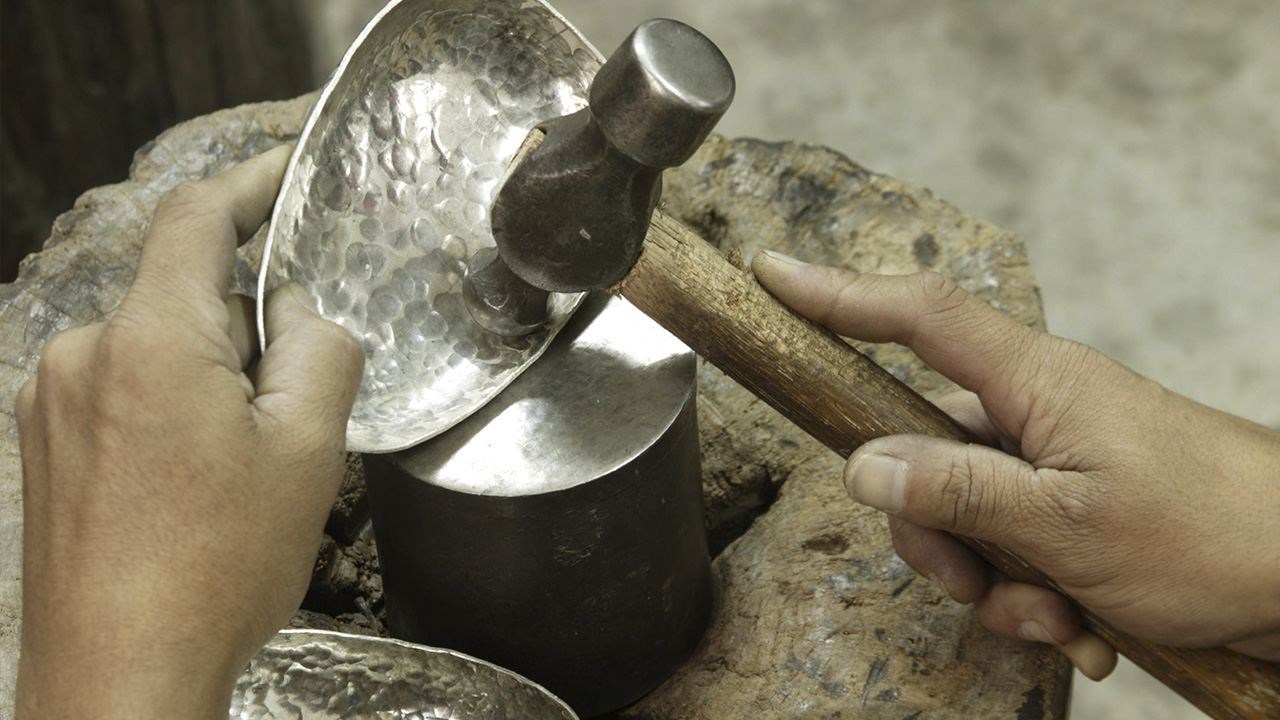
What does the company’s internationalization plan entail? Firstly — lists Ciabatti — the goal is to gather sufficient information during 2025 to analyze how to take the business abroad. To this end, this year they will strengthen the presence of the digital channel and focus on preparing and consolidating their production networks. Ciabatti notes they have already begun doing this, training the artisans they work with in different parts of the country.
Ilaria’s growth strategy is unfolding in an increasingly competitive and challenging global market. On one hand, the sector started 2025 facing the uncertainty of the application of tariffs by the Donald Trump administration, which contributed to an 80.2% year-on-year drop in orders for Peruvian jewelry exports to the United States (the largest buyer) last April, according to the Exporters Association (ADEX).
On the other hand, China is increasingly solidifying its position as the main producer, with nearly 32% of the global market value projected for this year by Statista (US$373.87 billion). And that’s not all, as the international price of silver — despite being produced in Peru, the country with the world’s largest reserves of the metal, according to sector data — has remained on an upward trend, with an increase of 21.7% in 2024 and 28.4% so far this year.
In this scenario, Ciabatti emphasizes the brand’s ‘artisanal’ attribute, which also responds to the expectations of younger clients and, in general, consumers more aware of the environmental impact of metal production.
This concept and differentiator allowed them to grow in the local market by 9% in units sold and 6% in revenue to 55 million soles in 2024. This year, the executive forecasts closing with a 6.5% increase in sales.