Editor’s Note
This article examines the dual pressures facing India’s diamond industry, where potential U.S. tariffs and shifting Chinese demand are driving a significant relocation of cutting and polishing operations. The trend underscores how trade policies can reshape global supply chains for critical commodities.
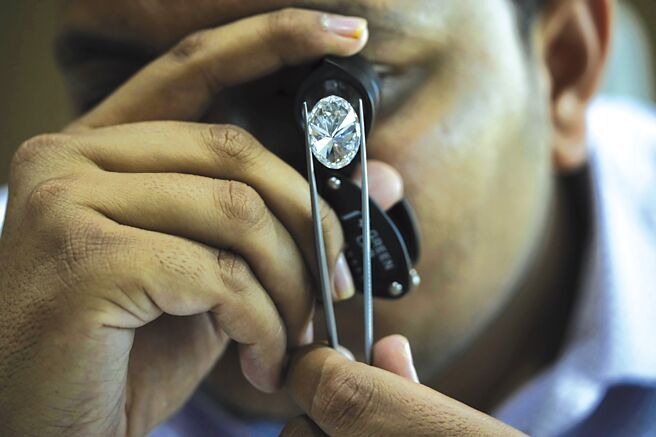
Facing the threat of tariffs as high as 50% imposed by the Trump administration on India, coupled with weak demand from China, India’s diamond industry exports have hit a 20-year low. The annual export scale of India’s gems and jewelry is $28.5 billion, with the United States accounting for nearly one-third of that, making it the largest export market.
Over 80% of the world’s uncut rough diamonds are cut, polished, and finished in Surat. However, the threat of high U.S. tariffs has shaken buyer confidence, causing orders for the local diamond industry to dry up.
While smaller exporters have few options to mitigate the tariff impact, some larger players plan to shift part of their operations to countries like Botswana in southern Africa. Compared to the high tariffs imposed on India by the U.S., Botswana faces only a 15% tariff.
The industry says that with high tariffs on India, U.S. buyers may turn to Israel, Belgium, and Botswana for supplies. Although Indian diamond exporters are trying to boost sales to Asia, Europe, and the Middle East to offset losses in the U.S. market, finding new buyers in these markets is not easy.
Currently, within the Surat Diamond Bourse, over 4,700 offices are for sale, with fewer than 250 still in use. Some companies are reconsidering their plans to move into the bourse.
The current desolate scene at the Surat Diamond Bourse is a world away from its grand opening in December 2023, when Prime Minister Modi praised it as a symbol of “the strength and new resolve of a new India.”
Every August, the industry in Surat typically works overtime to handle the Christmas and New Year order rush from the U.S. But this year, many jewelers are unsure if they can keep their jobs.
Indian diamond exporters say diamond companies are reducing purchases of rough diamonds and minimizing inventory to maintain cash flow. In this situation, small businesses with insufficient cash have begun to slash prices significantly to survive.
With poor exports, domestic demand in India has become a ray of hope for the industry.