Editor’s Note
**Editor’s Note:** This article examines the alarming 75% surge in jewelry counterfeits, highlighting how a single, overlooked detail is fueling the crisis. As fakes grow more sophisticated, even certificates and packaging can deceive, making detection harder than ever.

A 75% increase in jewelry counterfeits has been recorded, driven by a detail that almost no one checks. Counterfeiting has existed for centuries, with everyone copying and reproducing, even if not always legal. But buying a counterfeit while believing it to be authentic is a different matter, especially as detection becomes increasingly difficult.
In the past, counterfeits seemed too good to be true. Today, although the price may give pause, certificates, packaging, and jewelry markings often appear so real that buyers are convinced of authenticity—when in reality, they are not.
The numbers are striking. According to Catawiki, the online auction platform, in France, jewelry is one of the categories with the highest increase in rejections due to authenticity issues, with a 75% rise compared to 2023.
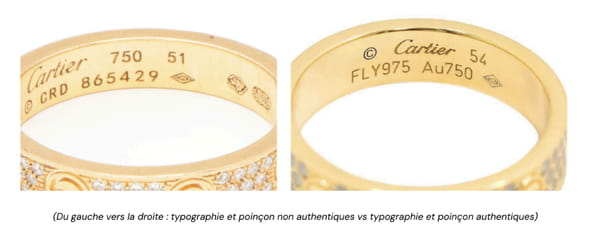
So how can you tell the difference between a counterfeit and an authentic piece? Here are the expert’s recommendations. First, examine the jewelry in detail. Are the hallmarks, logos, and serial numbers clearly aligned? If not, it is a counterfeit.
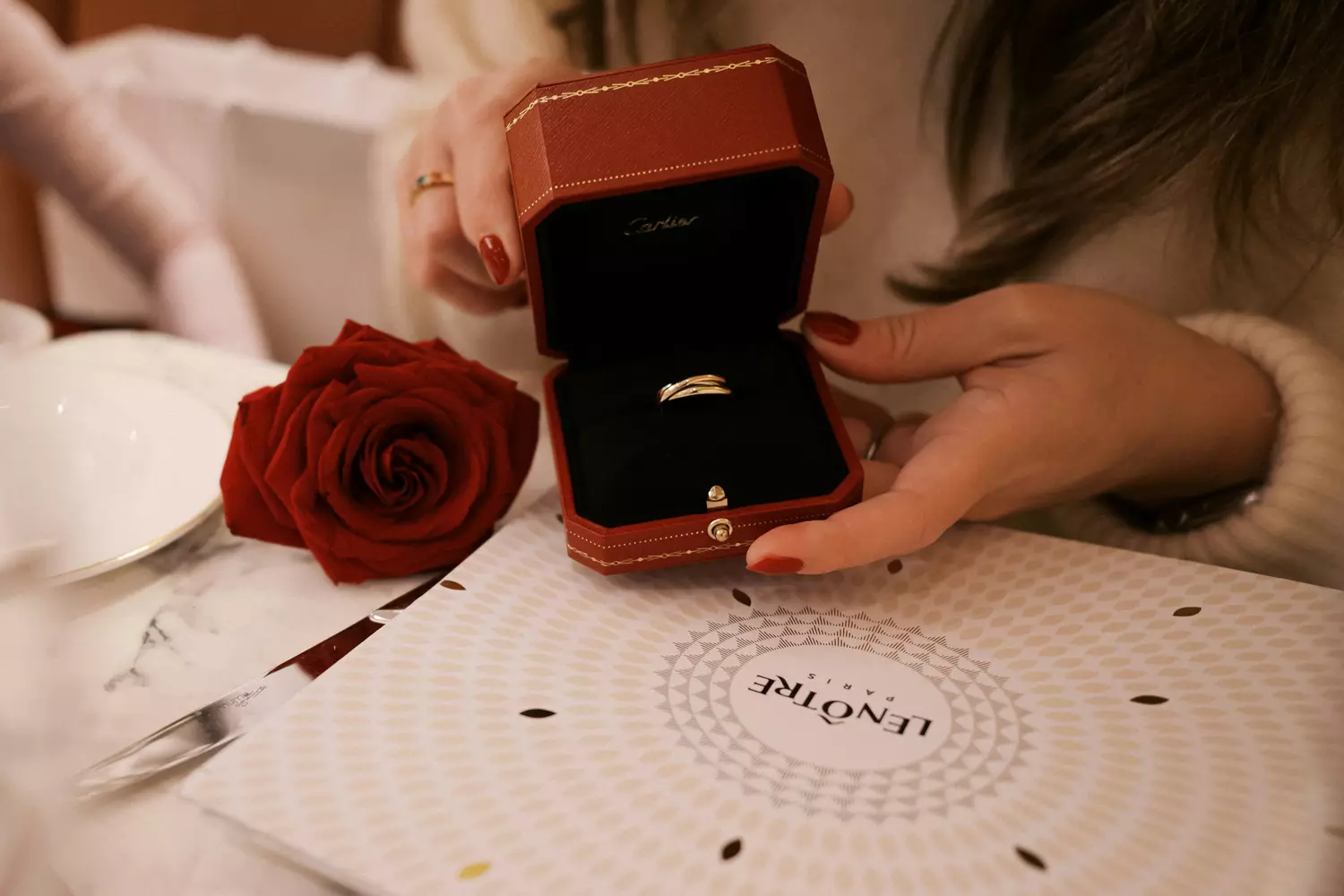
The same applies to stone settings and finishes. If there are slight imperfections—unlike luxury products—it is not genuine. The same goes for boxes and certificates: is the font too large? Is the logo off-center? Is the color inconsistent with the brand? If so, it is not real! The detail that no one checks is perfection.