Editor’s Note
This article highlights a critical flaw in traditional jewelry appraisals, framing them as static “snapshots” that fail to capture the dynamic, movie-like narrative of the diamond market. It argues that without understanding the ongoing plot—driven by economic shifts, supply chains, and inflation—both jewelers and customers are left with an incomplete and potentially outdated picture of value.
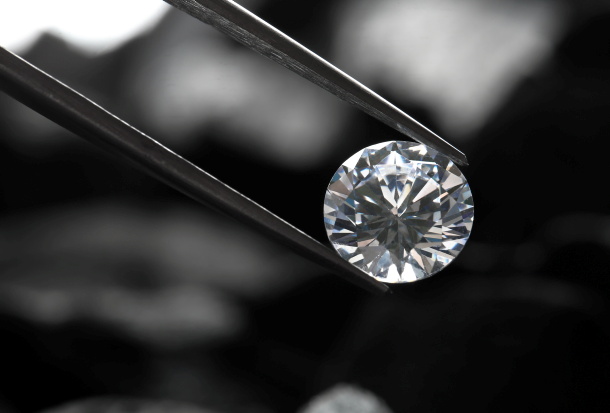
If you think of the average jewelry appraisal as a snapshot, it captures just one moment in the ever-changing story of the diamond market, failing to realize that it’s a constantly unfolding plot as diamond price charts fluctuate rapidly.
When your customers only have that single snapshot, they’re missing out on all the nuances of how diamond prices trend upward or downward based on myriad factors. The global economy, supply chain issues, global diamond supply, inflation, and even changing sentiment toward lab-grown diamonds versus natural diamonds can all influence the average price of a piece of jewelry.
Meanwhile, most consumers think that the value of their diamond ring or pendant only comes down to the stagnant attributes of the 4Cs: carat weight, clarity, color, and cut quality.
As such, if they purchased a diamond from their local jeweler several years ago, never updated their appraisal, and now want to sell that same stone today, they may be in for a shock.
To get a closer look at how volatile the market can be, we can look at the last few years alone. The IDEX Index reached a peak in March 2022, but by October 2023, the Index had fallen by 30%, due to increasing lab-grown sales, inflation, rising interest rates, and the global economy.
However, just over the past year alone, real-time asking prices for polished diamonds have surged multiple times in a response to US tariffs. Still, overall, we’ve seen the price of diamonds trend downward when looking at the past few years as a whole.
And that means your customers may be either underinsured or over-insured.
Whether diamond prices decline or rise, if your customers’ jewelry appraisals are no longer reflective of current changes, it’s a real issue, especially if they have jewelry insurance and ever need to make a claim.
Say your client purchased a ring in 2019. At the point of purchase, it was appraised for $10,000, which is the value the client gave to their insurance provider. But they haven’t bothered to update their policy since.
Fast forward to today and the ring has been lost or irreparably damaged, and they want to replace it with one of equal value. However, a ring of equal value nowadays would cost $15,000. Regardless, the insurer will only give them $10,000 at most, as that is the dollar amount noted on their insurance policy. Unless your client has $5,000 on hand to pay the extra out-of-pocket amount, they won’t be able to replace the item.
On the other hand, say that they find out that their diamond ring is worth less than it was originally appraised for. All this while, they’ve been paying for insurance premiums based on the original, inflated value. Even though their insurance will pay out enough to cover the replacement cost, they could feel ripped off and angry that they’ve been insuring the item at a higher value than what it was actually worth.
To avoid damage to your reputation and ensure that buyers continue to shop with you in the future, it’s a good idea to always follow the 10% rule: If the IDEX Index shows a shift of 10%, up or down, it’s time to let clients know they need to update their appraisal.
Not only will this potentially improve your relationship with past buyers, but it will also empower you to reach out to past clients for a reason that will benefit them, creating a touchpoint for new sales.
The easiest way for you to ensure your clients are having their appraisals updated regularly and paying the correct amount for jewelry insurance is to connect them with an insurance provider like BriteCo that automatically updates valuations on their behalf.
Additionally, as a buffer and to account for sudden spikes in diamond value, BriteCo jewelry insurance policies always pay up to 125% of a piece’s appraised value if a covered item needs to be replaced. This makes it even more likely that, if a customer makes a claim on their policy, they’ll have exactly the amount they need to cover replacement costs, without having to pay excess premiums.
Traditional insurance is static, only protecting clients’ valuables at the original appraised price, but BriteCo offers dynamic protection that shifts with the market. Here’s how the two compare:
Traditional Insurance vs. BriteCo
Assigns insured items a static value that does not change with market trends
Understands the value of diamond jewelry is dynamic, and jewelry insurance should be, too
Requires customers to manually update their insured item’s valuation