Editor’s Note
This article highlights a growing trend in the industry: the move toward using recycled precious metals. This shift away from traditional mining practices aims to lessen environmental impact and promote a more sustainable model of production.
Rather than relying on traditional mining, many brands are now turning to recycled materials—including gold and silver—helping to limit ecological disruption and reduce the environmental cost of extraction.
Much like the fast fashion phenomenon, the mass manufacture of jewellery brings similar environmental concerns. Beyond that, human rights violations remain troubling. To minimise costs, some manufacturers resort to exploitative labour practices, including the use of underpaid workers and, in some cases, child labour. Working conditions in such factories can pose serious health risks, with little to no safeguards in place to protect employees.
This has prompted a growing number of consumers to explore “slow fashion”—a movement embracing sustainable values, aiming to reduce harm to the planet and uphold ethical standards throughout the production process.
An increasing number of luxury houses are growing diamonds and gemstones in laboratories—a process that not only mimics nature more closely but also significantly cuts carbon emissions.
Importantly, research shows that this shift is about more than environmental awareness—it reflects a wider cultural change. As consumers become increasingly discerning, sustainability has emerged as a defining concern. According to McKinsey’s November 2024 report, The diamond industry Is at an inflection point, as today’s luxury buyers seek transparency about the origins of their purchases in order to support sustainable jewellery.
Among the sustainable jewellery houses resonating with today’s consumers is Lark & Berry, a London-based label that has quickly garnered a devoted following. Often described as “diamond disruptors”, Lark & Berry was the first luxury brand to exclusively use lab-grown diamonds and cultured gemstones in its creations.
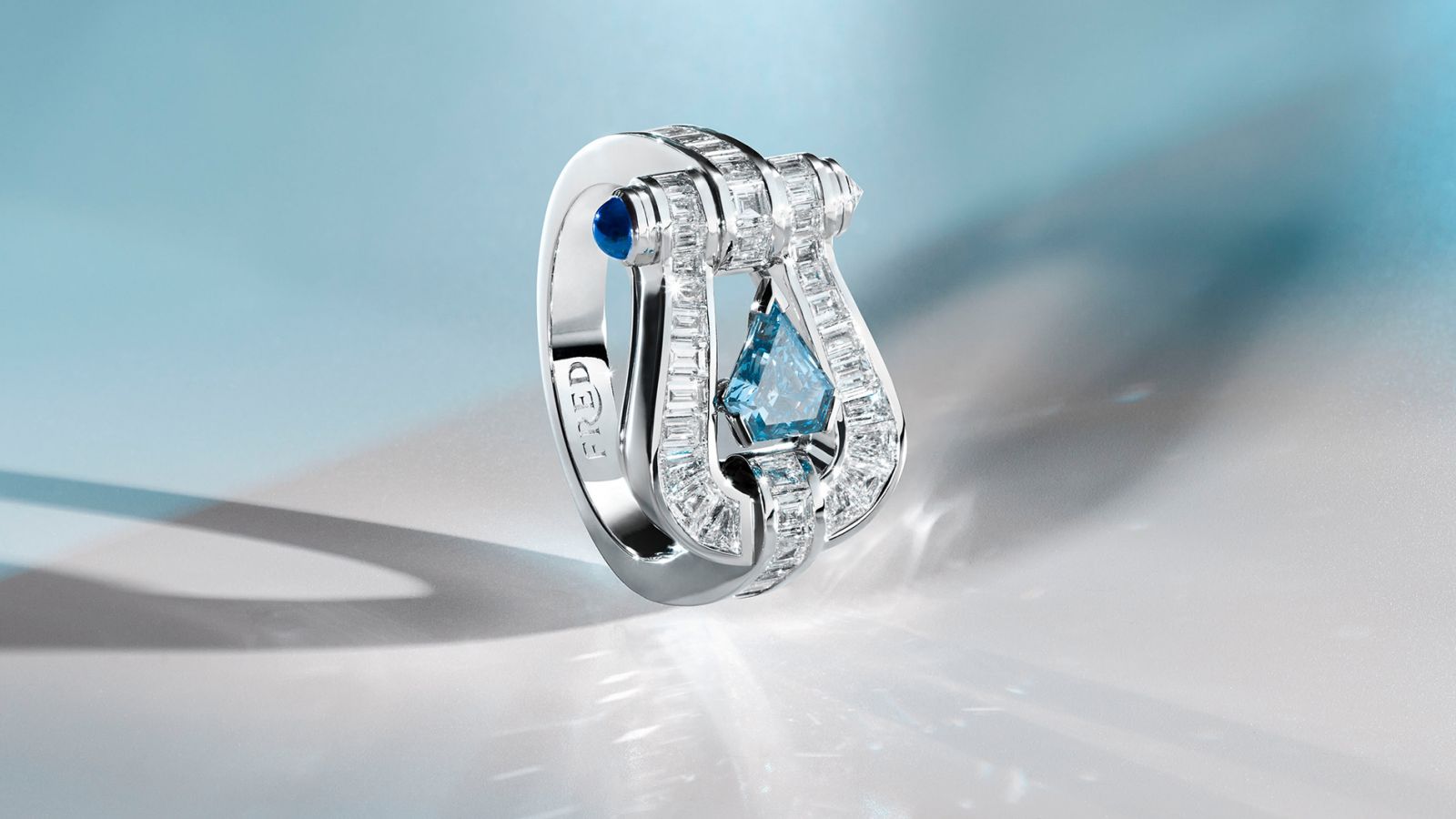
Alongside maisons championing sustainable jewellery, heritage luxury brands are also embracing this evolution. In October 2023, Fred Jewellery, part of the LVMH stable, unveiled its first lab-grown blue diamond. TAG Heuer, the Swiss watchmaker synonymous with precision and innovation, debuted its first timepiece featuring lab-grown diamonds in 2022.
According to Business Research Insights, the global sustainable jewellery market may reach $97.8 billion by 2032. This growing demand reveals not only a shift in consumer preference but also a redefinition of what luxury truly means.
This reflects the evolving mindset of affluent Millennials and Gen Z buyers. For them, luxury is no longer about opulence for its own sake, but about choices that reflect awareness and social responsibility. A 2023 survey by Delta Global of more than 2,000 high-end consumers across the Asia-Pacific region found that 93 percent would support—and even spend more on—brands that actively promote sustainable values.
In addition to material innovation, blockchain technology is emerging as a crucial tool in the transformation of the luxury jewellery sector. As sustainability climbs higher on the agenda, discerning customers are seeking clarity around the provenance of their purchases. In response, forward-thinking brands are turning to blockchain to provide greater transparency and traceability.
Among the frontrunners is Tracr, a blockchain platform developed by De Beers—the world’s foremost producer of natural diamonds. Since launching in May 2022, Tracr has recorded more than one million rough diamonds at source and a further 110,000 through the production process. By February 2024, it accounted for over two-thirds of De Beers’ global diamond production value.