Editor’s Note
This article discusses reports of potential Asian investment interest in Puma, highlighting a broader trend of cross-border acquisitions.
German sportswear manufacturer Puma could soon fall into Asian hands. According to a media report, several corporations from China and Japan, including industry giant Anta Sports, are examining a takeover of the company from Herzogenaurach. For the sports brand, this could mean a profound strategic shift – and a cut in German economic history.
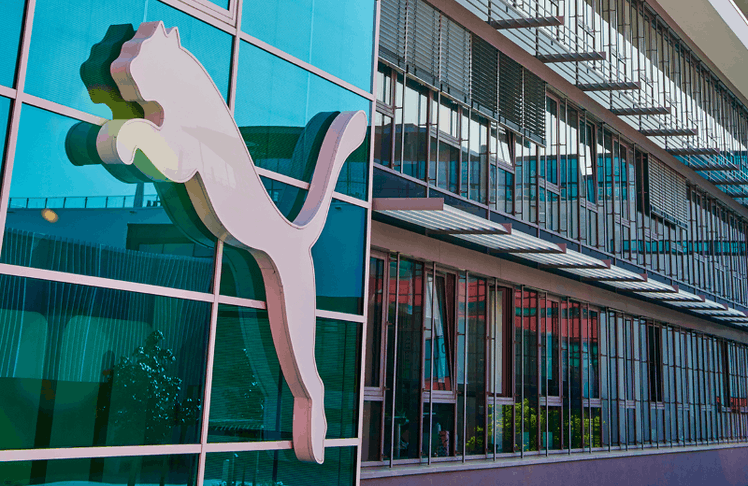
The Puma headquarters in Herzogenaurach is the focus of Asian sportswear corporations – a potential multi-billion euro deal is moving the industry.
Will Puma, like Adidas, come under Asian control? According to information from the news agency Bloomberg, several sportswear giants from the Far East, including Anta Sports, Li Ning, and Asics, are interested in acquiring the German sportswear manufacturer. Although talks are still in an early stage, the mere public emergence of the interested parties is causing unrest in the markets and within the industry.
The Chinese company Anta Sports, listed on the Hong Kong stock exchange, is already working with advisors on a potential deal, according to Bloomberg. Anta is one of the largest sportswear manufacturers in Asia and has strategically developed into a global player in recent years through international acquisitions – such as Amer Sports.
But Anta is apparently not the only interested party. The Chinese competitor Li Ning – named after the former Olympic artistic gymnastics champion of the same name – is also reportedly exploring financing options with banks. The third in the group is the Japanese Asics Corporation, known for high-quality running shoes and its strong market position in the Far East.
The companies themselves have not yet commented clearly. While Asics gave no comment at all, a spokesperson for Li Ning told Reuters that the company is “currently not engaged in any substantial negotiations” and is focusing on “its own growth.”
Puma is Germany’s second-largest sportswear manufacturer after Adidas and looks back on over 75 years of corporate history. The company headquartered in Herzogenaurach employs around 20,000 people worldwide and generated sales of almost 9 billion euros in 2024.
An acquisition by an Asian company would not only reshuffle global competition in the industry but could also permanently change one of Germany’s most traditional brands. With Anta or Li Ning at the helm, Puma could be more strongly integrated into the Chinese market – a strategically attractive growth region.
Particularly noteworthy: The French luxury group Kering, which includes Gucci, among others, had already largely separated from Puma in 2018. Since then, the company’s free float has been high, which in principle facilitates takeovers.
The global sportswear market is growing rapidly, especially in Asia. China is no longer just a sales market but also an innovation hub. Puma has a strong, internationally known brand with enormous potential in the lifestyle and streetwear segment – a field that Anta and Li Ning specifically want to strengthen.
Compared to global heavyweights like Nike or Adidas, Puma is considered undervalued despite good figures. The combination of brand potential, sales growth, and a relatively low stock market value makes the company an attractive target.
It is still an early phase of talks. But the move by Anta Sports and others shows how strong the interest of Asian companies in European brands currently is – not least against the backdrop of global supply chain shifts, currency dynamics, and geopolitical ambitions.
The stock market reacted quickly to the takeover rumors: Puma’s stock rose significantly in early trading. Investors are speculating on a potential bidding war or a strategic premium should a concrete offer emerge. At the same time, uncertainty remains high – because without confirmed talks or a public statement from the company, short-term price movements are primarily driven by speculation. How the situation develops remains to be seen. But one thing is clear: A potential sale of Puma would send ripples far beyond the sportswear industry – and would be a signal for the strategic realignment in the global brand landscape.
According to a report by Bild, the decision on Puma’s future could be approaching faster than previously expected.