Editor’s Note
This article highlights the upcoming exhibition at the Museo del Gioiello in Vicenza, featuring stage jewelry from Corbella worn by 20th-century opera legends like Renata Tebaldi and Maria Callas. Running from June 9 to September 30, 2026, the show offers a unique glimpse into the intersection of fine craftsmanship and operatic performance.
The Museo del Gioiello in Vicenza presents a significant selection of stage jewelry worn by some of the most famous opera stars of the 20th century, crafted by the historic Milanese firm Corbella.
From June 9 to September 30, 2026, the Museo del Gioiello in Vicenza hosts the special exhibition Dive e Gioielli in Scena. Corbella for Renata Tebaldi, Maria Callas and the Interpreters of Opera, curated by Paola Venturelli. The exhibition showcases a notable collection of stage jewelry worn by some of the most renowned opera stars of the 20th century, produced by the historic Milanese company Corbella, founded in 1865 and known as the “First Factory for Jewelry and Weapons for the Theater.”
For over a century, the company was the international benchmark for the production of jewelry, accessories, and stage weapons for the world’s most prestigious theaters. The exhibition honors legendary opera figures such as Rosetta Pampanini, Margherita Carosio, Margherita Cipolato Nicolai, Maria Caniglia, Giulietta Simionato, Renata Tebaldi, and Maria Callas—artists who helped immortalize the allure of melodrama.
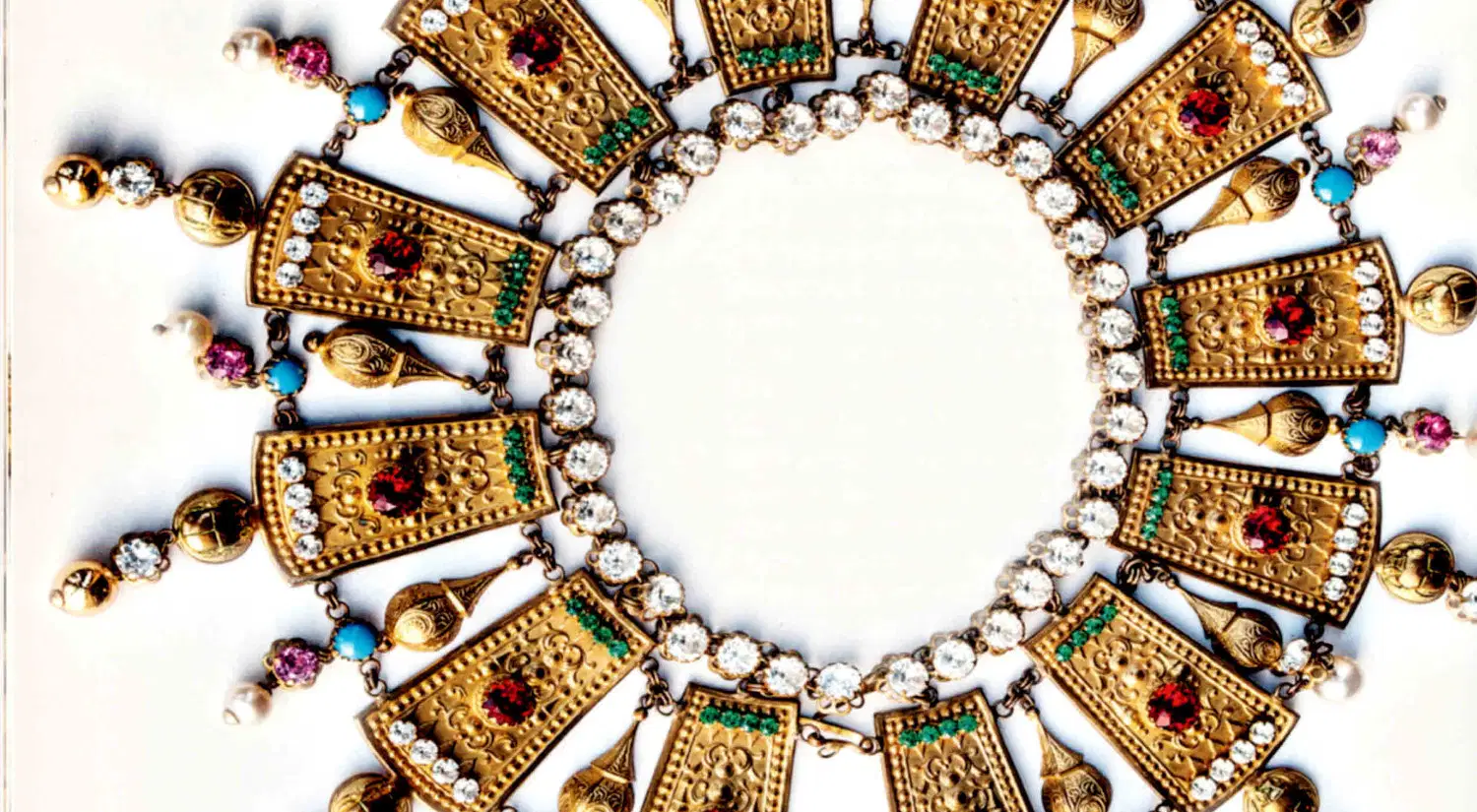
The exhibited pieces—made from gilded metal, filigree, rhinestones, glass pastes, and other decorative materials—testify to the ability of the Corbella manufactory to reinterpret both contemporary high-end jewelry and the artistic traditions of the past. Notable works include a polychrome Egyptian-style necklace once owned by Maria Callas, a refined diadem created for Umberto Giordano’s Fedora, the distinctive headdress for Leila in I Pescatori di Perle, a bra-shaped jewelry piece inspired by the exotic imagery of Mata Hari, and several hairpins made for Giacomo Puccini’s Madama Butterfly. Of particular significance is the crown worn at the historic premiere of Turandot at La Scala in Milan on April 25, 1926. This creation, worn by soprano Rosa Raisa and adorned with “en tremblant” elements, has over time become one of the most iconic symbols of Puccini’s opera, whose centenary we celebrate.
The history of the Corbella company is closely intertwined with the history of major international opera houses. Soon, the company became the official outfitter of Teatro alla Scala and collaborated with renowned venues such as Teatro La Fenice in Venice, Teatro Costanzi in Rome, and Teatro Colón in Buenos Aires. Many of the crafted pieces were purchased directly by performers who wished to take them on international tours. For five generations, Corbella’s creations have adorned the stage costumes of major theaters, including San Carlo in Naples, Regio in Turin, Costanzi in Rome, the Opera of Barcelona, and the London Opera. The collaboration with costume designer Caramba, who was appointed artistic director of La Scala in 1921 during Arturo Toscanini’s tenure, was also fundamental.
The exhibition in the ground-floor hall of the Jewelry Museum offers a fascinating journey through fashion, goldsmithing, and entertainment history. The display is complemented by two important documents from the “Tullio Serafin” Historical Archive: an original score of Turandot and an autograph letter from Maria Callas from 1967 to Maestro Serafin, in which she expresses her desire to see him again in Rome. “The Maestro was a true discoverer of talents,” explains Andrea Castello.