Editor’s Note
This article explores the significant shift in India’s jewellery market, where centuries-old traditions of in-person purchasing are being reshaped by the rise of e-commerce. It examines how digital platforms are building the necessary trust for high-value transactions in this new era.
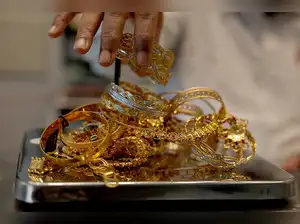
Once a domain of velvet-lined trays and neighbourhood jewellers, jewellery shopping in India is undergoing a glittering transformation. What was long anchored in trust, tradition, and touch is now increasingly just a click away.
India’s deep-rooted love affair with gold and diamonds is entering a bold new chapter – online. As digital platforms gain credibility through hallmark certifications, brand assurances, and seamless service, Indian consumers are warming up to the idea that buying fine jewellery doesn’t necessarily require a trip to the store.
And the numbers prove it. According to a recent FICCI-Deloitte report, 73 per cent of consumers now begin their product discovery journey online – even for tactile categories like jewellery – while 53 per cent still lean on offline stores to seal the deal. But the tides are shifting fast.
The Indian jewellery market, pegged at USD 91 billion in 2025, is expected to reach USD 146 billion by 2030. And e-commerce platforms are set to claim a growing slice of that pie.
According to Siddharth Bhagat, Director, Amazon Fashion and Beauty, India, precious jewellery sales on the platform have surged 96 per cent year-on-year, with gold and diamond jewellery, including lab-grown diamonds, driving the demand.

Amazon’s jewellery segment, covering hallmarked gold, diamond, silver and lab-grown diamond collections, has registered a sharp rise in consumer confidence.
With positive demand, the marketplace now has over five lakh styles from established brands such as CaratLane, PN Gadgil Jewellers, Joyalukkas, PC Chandra, Malabar Gold and Diamonds, and KISNA.
He noted that customers are increasingly choosing everyday-wear pieces in 14-karat gold, which has grown nearly 50 per cent year-on-year, followed by a strong uptick in 18-karat jewellery. The platform also reports that fine jewellery now starts at Rs 2,000 for sterling silver and goes up to Rs 40,000 for gold and diamond pieces, expanding affordability and access to a wider audience.
Currently, online jewellery sales account for around 8-10 per cent of India’s market, while over 85 per cent of purchases still happen in stores. Although still small, online sales are growing fast and outpacing offline growth. This shows the market is moving toward a combined online-offline approach, rather than a competition between the two.

In a sign of changing consumer preferences, Amazon has launched several collections of lab-grown diamonds at entry prices starting from Rs 1,699, tapping into sustainability and price-conscious trends in global luxury. Bhagat said Amazon is the first and only online marketplace in India specifically focusing on this segment’s whitespace.
Online jewellery shopping’s transformation is being driven by multiple trust-building factors – BIS hallmarking, purchase protection, easy exchange options, and brand-backed authenticity. These have collectively demystified the once “offline-only” purchase, extending jewellery retail beyond metros into Tier-2 and Tier-3 cities.
Amazon sees a greater footprint during religious occasions like Akshaya Tritiya and Dhanteras, with gold coin sales seeing a spike across the country.
