Editor’s Note
The global diamond industry, valued at $82 billion, is facing unprecedented disruption as trade tensions and tariffs take a severe toll. This report examines the cascading effects on major trading hubs like Antwerp, where activity has slowed to a fraction of its usual pace.
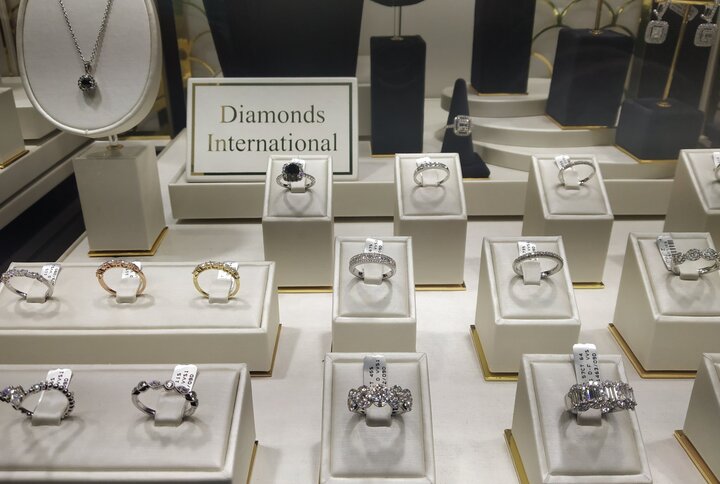
International diamond traders warn that the global trade war and tariff policies initiated by U.S. President Donald Trump have brought the $82 billion diamond industry to a “near standstill.” Shipments at Antwerp, Belgium, the world’s largest diamond trading hub, have plummeted to one-seventh of normal levels, severely impacting the supply chain.
According to the Financial Times, the Trump administration has imposed a 10% tariff on diamond imports and proposed varying “reciprocal tariffs” based on country of origin. The U.S., the world’s largest diamond consumer accounting for about half of global demand, relies entirely on imports as it has no diamond mines. Although the White House has suspended tariffs for some countries for 90 days, the uncertain outlook has already created a chilling effect on gem traders and India’s vast polishing industry.
Karen Rentmeesters, CEO of the Antwerp Diamond Centre, stated that since Trump announced the new tariffs this month, diamond shipments at the centre have “almost stalled,” with daily volumes at just one-seventh of normal.
she said, comparing the current chaos to the impact of the COVID-19 pandemic on globalized industries.
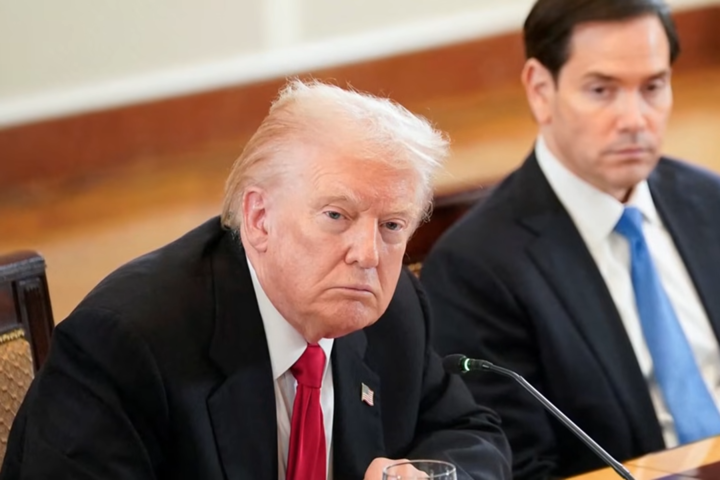
The diamond supply chain is highly globalized, with a single stone crossing borders multiple times from producing countries like Botswana in Africa, through trading hubs like Dubai, to processing in India, and finally to consumers. The U.S. plays a key role in certification, hosting the Gemological Institute of America (GIA) in California, which employs 3,200 people.
However, the tariff policy threatens the normal flow of diamonds into and out of the U.S. for certification. Pritesh Patel, COO of GIA, said the institute is expanding services at international offices in Dubai and Hong Kong to mitigate tariff impacts and exploring whether diamonds for certification can be exempted via temporary import bonds or free trade zones.
India, which processes over 90% of the world’s diamonds, faces a severe blow to its multi-billion dollar annual diamond export industry due to the reciprocal tariffs. Under a proposed 27% U.S. tariff on Indian goods (to be implemented if no additional agreement is reached), finished diamonds processed in India would be considered “of Indian origin” and directly impacted.
Independent diamond analyst Paul Zimnisky noted that uncertainty will dampen consumer demand for luxury items like diamonds.

he said.
The diamond industry has already been facing weak demand in recent years due to the pandemic and competition from lab-grown diamonds. Richard Chetwode, Chairman of mining company Trustco Resources, stated:
Anglo American, parent company of jewelry brand De Beers, has written down $4.5 billion from the diamond giant over the past two years due to market weakness and plans to spin off the company via an IPO later this year (2025).
Signet Jewelers, the world’s largest diamond jewelry retailer and a New York-listed company, is also affected by the tariffs. On April 4, it notified suppliers that it would not bear the new tariff costs for existing orders, requiring overseas suppliers to pay them instead, and urged them to ship orders into the U.S. as soon as possible in April and May.

The global trade war is not only impacting diamond demand but also causing major supply chain dislocations. The shipping standstill in Antwerp is just the tip of the iceberg. If countries like the U.S. and India cannot reach tariff agreements, India’s processing industry and the global diamond market will face even greater challenges. Experts urge the diamond industry to seek policy exemptions and diversified market strategies to navigate the current crisis.