Editor’s Note
Malaysia is emerging as a significant, yet understated, destination in the global luxury landscape. This article explores its discreet ascent, from the growth of its affluent class to its appeal for major brands like Dior.

From private clubs in Kuala Lumpur to duty-free islands and a continuously enriching local elite, Malaysia is carving out its own path—discreet yet demanding. Dior chose to host the second chapter of its Diorexquis high jewelry presentation there this autumn.
40% – The share of Dior’s clientele in Southeast Asia.
$2.18 Billion – The projected size of Malaysia’s luxury goods market in 2025.
38 Million – The number of visitors to Malaysia in 2024.
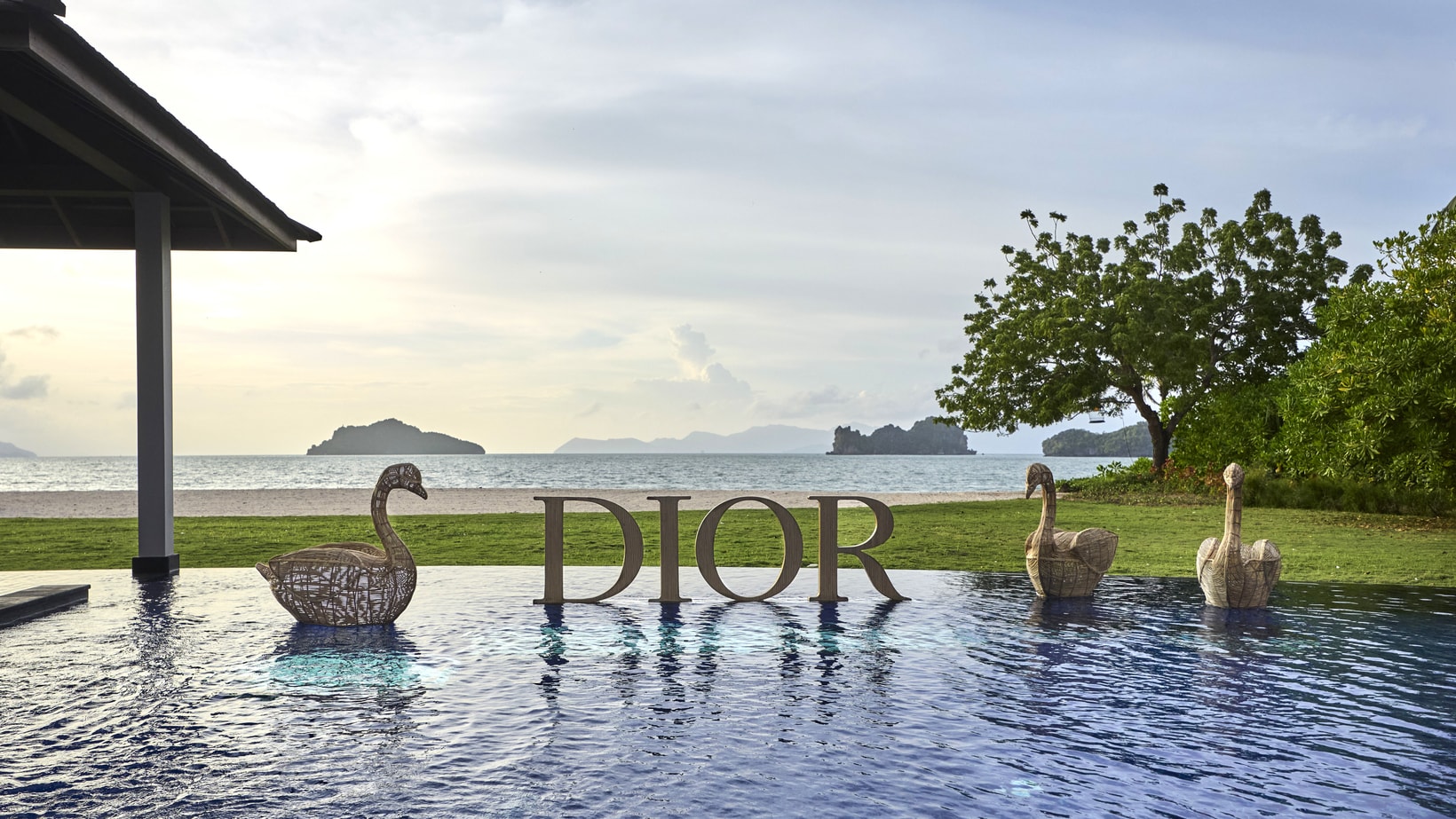
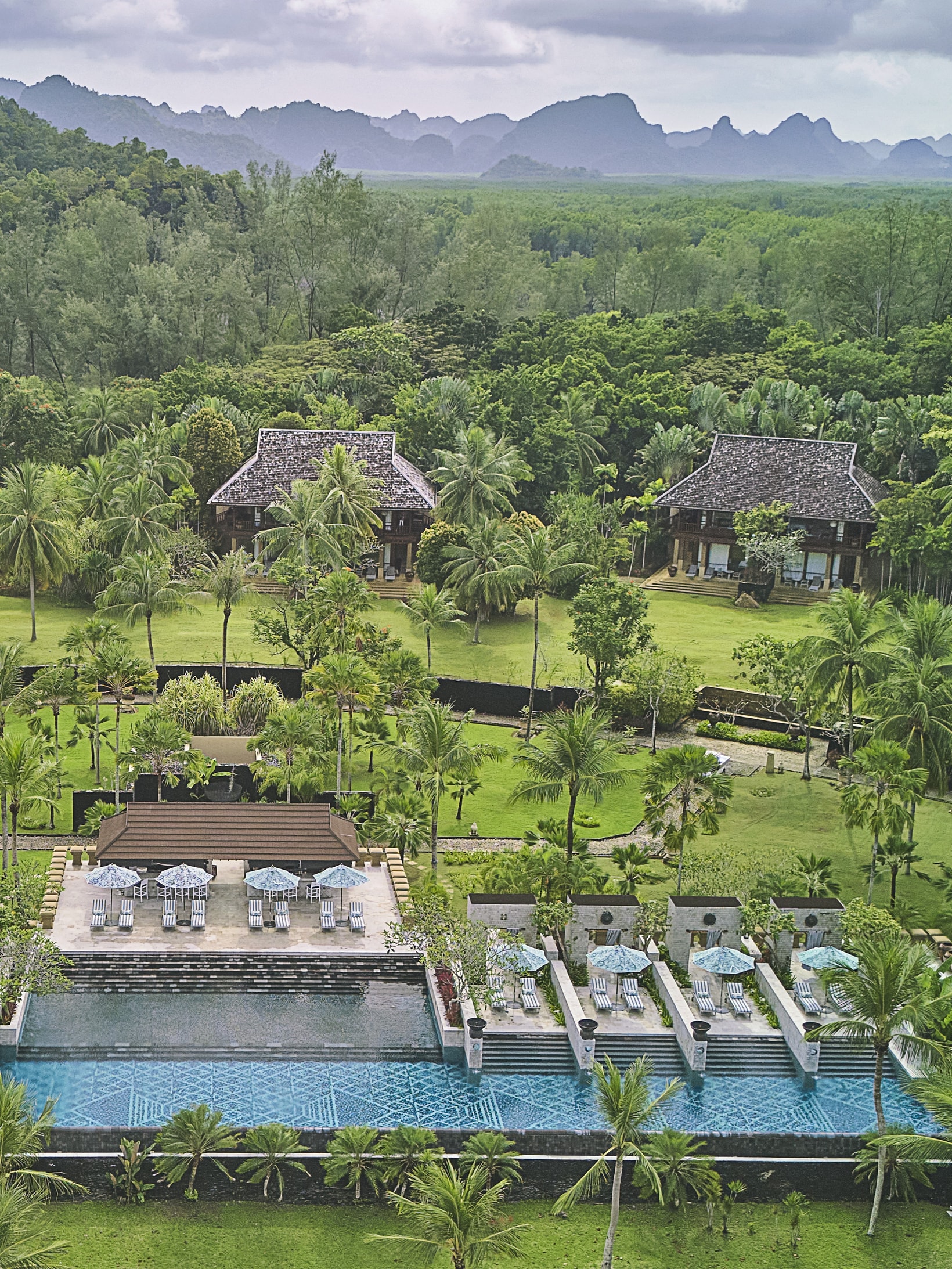
Under the golden Malaysian sun, the Andaman Sea shimmers like an ancient jewel. The islets of Langkawi, crowned with jungle and fringed with white sand, served as the setting for the new chapter of Diorexquis, the high jewelry collection by Dior imagined by Victoire de Castellane.
For the occasion, the house invited one hundred and thirty carefully selected guests—its most loyal enthusiasts, collectors, and some newcomers—to discover this second installment in the sumptuous setting of the Four Seasons Langkawi. It takes near-princely client service to sell the fifty-five high jewelry pieces, some of which are worth several million euros.
In less than thirty years, Victoire de Castellane has managed to elevate Dior to the summit of an art once thought reserved for the centuries-old jewelers of Place Vendôme.
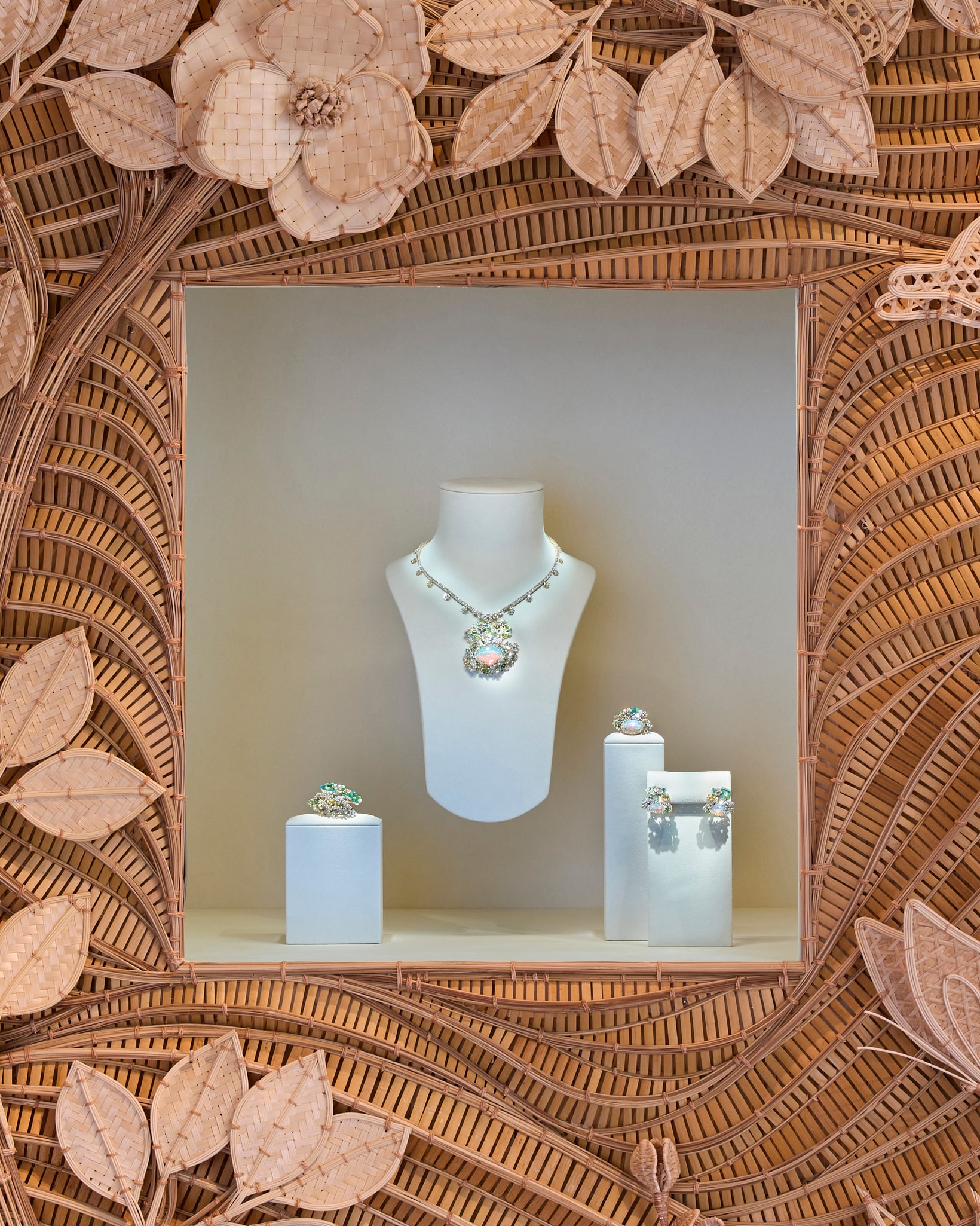
Inspired by marvelous gardens, imagined balls, and the colors of nature, this new collection blends Paraíba tourmalines, tsavorite garnets, Australian opals, and Zambian emeralds into a symphony of unprecedented hues. The stones seem to breathe, the settings to dance. Not to mention the special orders discussed away from prying eyes in seaside villas, reserved for the clients who requested them.
After events in the South of France, China, and Abu Dhabi, Dior’s choice of Malaysia is no accident. Firstly, no major house had previously preempted this territory. It is an accessible destination for the Southeast Asian clientele, which represents nearly 40% of the house’s revenue. Therefore, it made sense to get closer to local clients in a country full of promise (GDP growth for 2026 is projected to be between 4.8% and 5.5%).
can be read in Mordor Intelligence’s report on the size and market share of luxury goods in Malaysia. Its average annual growth of 6.8% in jewelry makes this territory conducive to creating a future hub for connoisseurs, driven by the emergence of a new generation of ultra-wealthy individuals—about 320 new millionaires by 2027, according to GlobeNewswire. Furthermore, Malaysia’s duty-free islands are an additional incentive for luxury purchases.
In the now-globalized world of luxury, each geography tells a strategy. Langkawi, a destination still discreet compared to the excesses of Dubai or Singapore, embodies this Asia of refinement in the making. Certainly, the local tradition remains anchored in yellow gold, a symbol of savings and status. Less than 5% of jewelry sold in the country today contains precious stones. But this is precisely where Dior, like a perfumer entering a market saturated with incense, intends to make a difference: not to impose, but to reveal. Malaysia is not yet a mature market like China or the Emirates, but it represents a territory for experimentation, where the brand tests the finesse of its narrative.