Editor’s Note
This article explores how Direct-to-Metal 3D Printing is transforming jewellery manufacturing, offering greater design flexibility, faster production, and reduced waste. It highlights the technology’s potential to benefit Australian jewellers, particularly for custom orders.
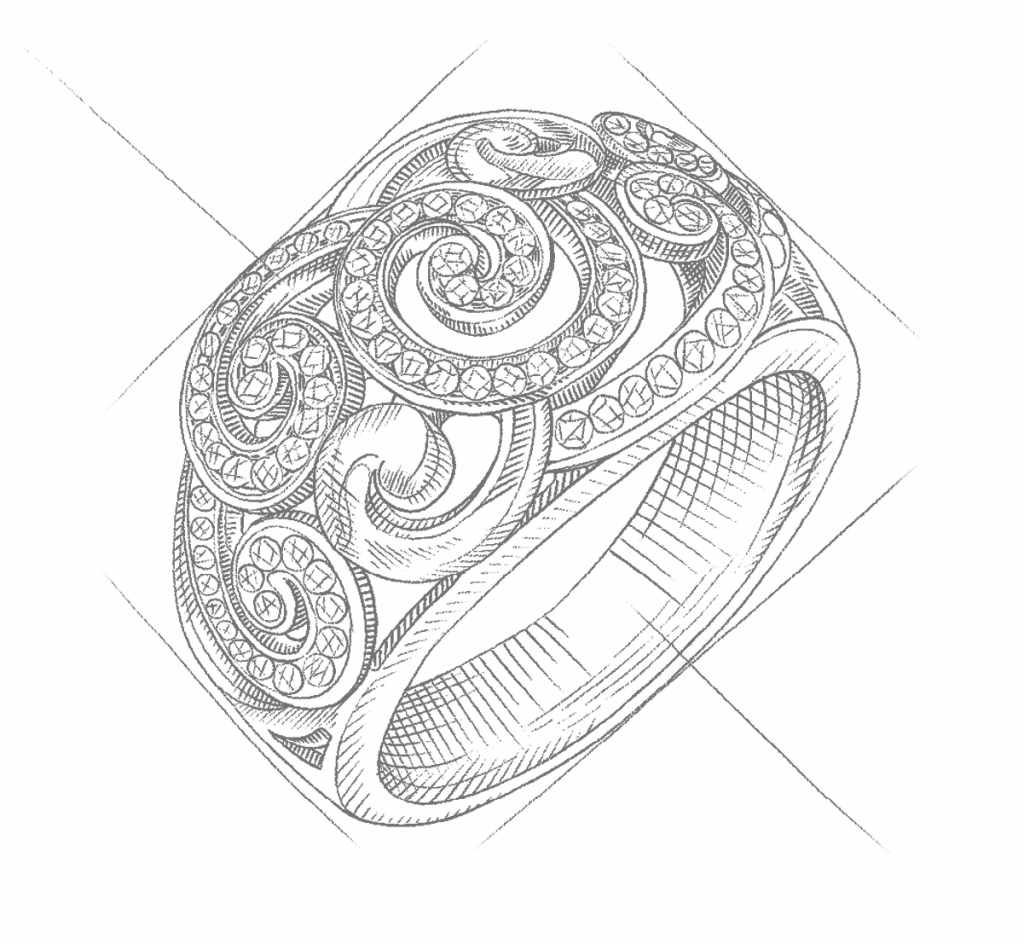
A significant advancement in manufacturing, Direct-to-Metal 3D Printing enables jewellers to create intricate designs directly from digital files without the need for traditional casting methods. This technology offers greater design flexibility, faster production times, and reduced material waste. For custom orders, it means faster delivery and more complex, bespoke designs at a lower cost—making it a valuable tool for Australian jewellers catering to the growing demand for personalised jewellery.
Despite the benefits, the integration of technology in the jewellery industry presents challenges. The initial investment in advanced technologies can be substantial, and there is a learning curve associated with new tools and processes. Moreover, ensuring the authenticity of materials, such as recycled gold, requires robust verification systems to prevent misrepresentation and illicit practices.
The jewellery industry is undergoing a technological revolution, with businesses increasingly adopting digital tools, automation, and advanced manufacturing techniques to enhance efficiency and customer experience. According to recent survey results of the Australian Jewellery Industry, the majority of industry professionals recognise technology as a vital part of their operations, with 78% rating it as “very important” or “extremely important” to their daily workflow. From design software to online retail platforms and advanced testing equipment, technology is reshaping the way jewellery is created, sold, and authenticated.
Technology has dramatically transformed jewellery design, with 67% of respondents stating they regularly use Computer-Aided Design (CAD) software such as MatrixGold or RhinoGold. CAD software allows for precise, intricate designs that would be difficult to achieve by hand, while 3D printing has revolutionised prototyping, reducing production times and costs. More than half of survey respondents who use CAD also integrate 3D printing into their workflow, indicating a shift towards streamlined, high-tech production methods.
With consumers increasingly seeking customisation and personalisation, jewellers using these digital tools can offer unique, tailor-made designs with greater efficiency. This demand aligns with broader industry trends, where custom jewellery is expected to grow at a faster rate than traditional collections over the next five years.
The market for 3D-printed jewellery is expanding, with a valuation of USD 841.7 million in 2023 and an expected growth rate of 19.9% annually from 2024 to 2030. This growth is driven by consumer demand for personalised pieces and the industry’s increasing adoption of cost-effective, innovative manufacturing solutions.
The way jewellery is sold is also evolving, with 82% of jewellery businesses now operating a website, and over 50% offering e-commerce functionality. Consumers expect a seamless online shopping experience, and retailers are responding by incorporating online carts, virtual consultations, and Augmented Reality (AR) try-ons to enhance the buying process.
Survey results indicate that the most important features for an online jewellery store are:
• Secure payment options (88%)
• Mobile-friendly design (76%)
• Integration with inventory management systems (68%)
These findings highlight the growing need for efficient, integrated technology that allows jewellers to manage stock, process orders, and engage with customers across multiple platforms.
The integration of technology into business processes is evident among Australian jewellers:
• Accounting Software: A significant 77.8% of respondents utilise platforms like Xero and MYOB, streamlining financial management.
• Online Marketplaces and Web Builders: Over half (55.6%) have established an online presence, reflecting a shift towards digital commerce.
• Customer Relationship Management (CRM) Software: Notably, only 16.7% have adopted CRM systems, indicating potential growth in customer engagement strategies.
Beyond retail and design, jewellers rely on specialist tools to ensure the authenticity and quality of their products.
According to the survey, the most widely used industry-specific technologies include:
• Diamond testers (83%)
• Gold and metal testers (72%)
• Ultrasonic Cleaners: Widely adopted by 88.9% of jewellers for efficient cleaning processes.
• Laser engravers (41%)
• Digital Scales: Utilised by 83.3% to ensure precision in measurements.
• Computer-Aided Design (CAD) Software: Employed by 50% of respondents, facilitating intricate and customised designs.
• 3D Printers: Adopted by 44.4%, enabling rapid prototyping and reducing time-to-market.
With lab-grown diamonds gaining market share, the demand for more advanced diamond testing equipment is on the rise. As synthetic stones become increasingly difficult to distinguish from natural diamonds, jewellers are investing in high-precision UV fluorescence detectors and spectroscopy equipment to maintain transparency and consumer trust. Identification of stones remains one of the top challenges noted by jewellers, where technology can and should assist.
Looking ahead, jewellery businesses are exploring cutting-edge technologies to improve supply chain transparency, security, and marketing.
When asked about emerging technologies they are most interested in adopting, survey respondents highlighted:
• Blockchain for gemstone provenance tracking (46%)