Editor’s Note
Geopolitical tensions are once again roiling global commodity markets. As this report details, the edible oil supply chain is facing fresh volatility, with price spikes and supply concerns reverberating from the Middle East to consumers in India and beyond. This serves as a stark reminder of how interconnected—and fragile—our global food systems can be.
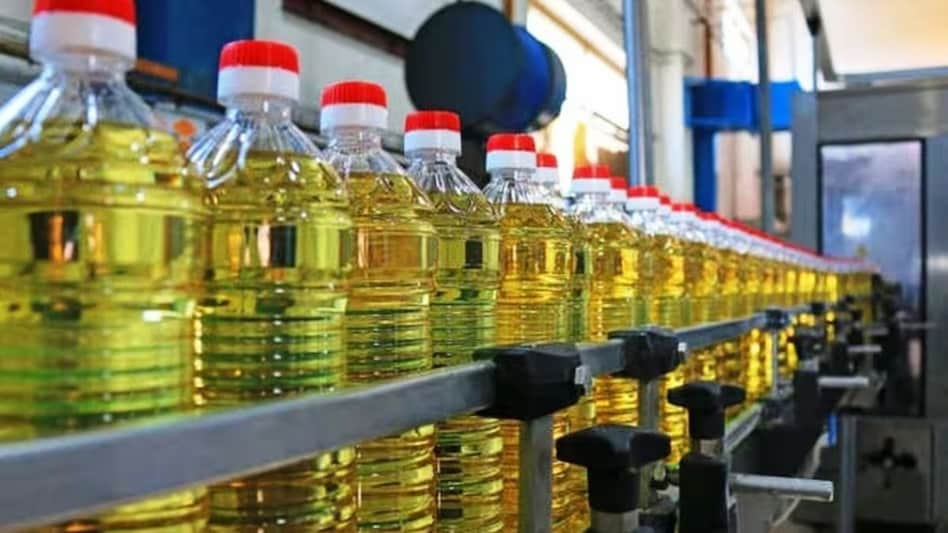
The global edible oil market is in turmoil. The Solvent Extractors’ Association of India (SEA) has warned that tensions between Iran and Israel are driving up prices and impacting the global supply chain. While the Indian government has attempted to provide relief by reducing import duties, the domestic market has been affected again due to international conditions.
The Solvent Extractors’ Association of India (SEA) has stated that global geopolitical tensions, particularly the escalating conflict between Iran and Israel, have led to a sharp spike in edible oil prices and are severely impacting the supply chain. In his monthly letter, SEA President Sanjeev Asthana said this situation is also affecting domestic markets in India, despite the government’s duty cuts as a relief measure. He explained that rising tensions in West Asia have spread uncertainty in the global energy market, increasing pressure on energy-based industries and supply mechanisms. This impact has also been observed on sensitive products like edible oil. He also urged the central government and the Gujarat government to take steps regarding the increasing waiting times for ships stuck at Kandla Port.
According to a report by ‘Businessline’, Asthana informed that in the international market, edible oil prices have increased by $40 to $50 per ton in just one week.
He welcomed the central government’s decision to increase the import duty differential between crude and refined oils to 19.25%. Previously, this differential was 8.25%.
Asthana explained that this step will discourage cheap imports of refined palmolein and increase demand for crude palm oil, which will strengthen the domestic refining industry. This policy does not affect the total import volume but promotes value addition. The SEA President also expressed concern about the situation at Kandla Port, where a large number of ships carrying edible oil are lined up.
He reported that as of June 16, two ships (45,000 tons) were unloading oil, while eight ships (1.57 lakh tons) were waiting to dock. In the next few days, five more ships (1.59 lakh tons) are expected to arrive, and their waiting time has reached 9-10 days. It is possible this time could increase to 15–20 days.
In light of this situation, SEA has demanded intervention from the Indian government’s Ministry of Food, the Gujarat government, and the Kandla Port Authority to reduce congestion and ensure the normal flow of oil supply.