Editor’s Note
This article highlights Thailand’s strategic push to expand its gem and jewelry exports into key Chinese markets. Focusing on high-growth cities within the Yangtze River Delta, the initiative underscores the ongoing efforts to tap into China’s consumer demand and regional economic policies.
Sumet, Director of Thailand’s Gem and Jewelry Institute (GIT), disclosed that GIT has been exploring trade opportunities for Thai gem and jewelry products in the Chinese market. Four second-tier cities with high growth potential were selected: Suzhou, Nanjing, Hangzhou, and Ningbo, all located within the Yangtze River Delta economic zone supported by the Chinese government. The survey results found that Thai products have opportunities to be sold in these four cities, especially through online channels. These cities have high purchasing power, attract many foreign investors, are important port cities, and are vibrant contributors to the Chinese economy.
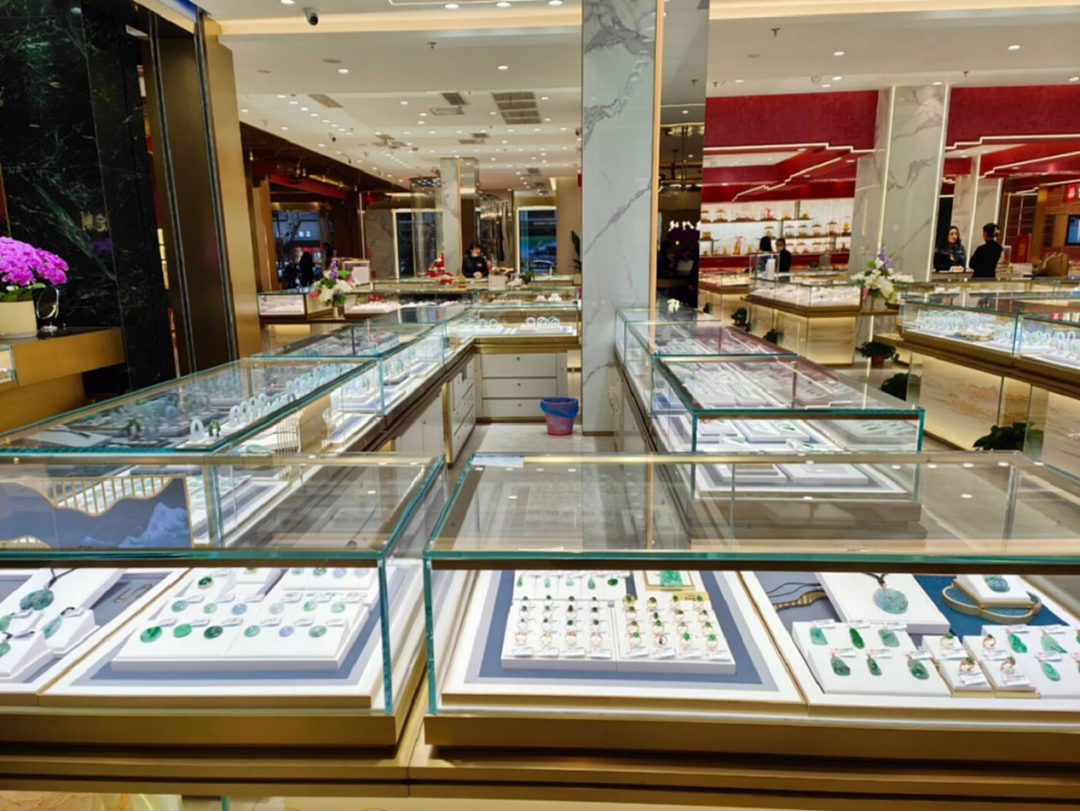
Furthermore, the GIT research team met with the President of the Jiangsu Provincial Gem and Jewelry Association to discuss cooperation in gem and jewelry trade. They also surveyed entrepreneurs on Taiping South Road, an important area lined with many gem and jewelry stores, similar to Bangkok’s Yaowarat Road, with a lively trading atmosphere.
Conversations with Chinese entrepreneurs revealed that Chinese consumers currently prefer colored gemstones, especially rubies, sapphires, and emeralds, which they treat as heirlooms or value-appreciating products. Affluent families are consistently seeking high-quality colored gemstones. These gemstones are imported from various sources, including Africa, Sri Lanka, and Thailand. Some are purchased and sold during travel, while others are acquired through acquaintances acting as intermediaries or sourced from Shenzhen, as Shenzhen is not only a crucial national import and distribution hub but also a coordinating intermediary.
Sumet stated that online channels should be used for market entry because the online trading market in China is growing rapidly.
Additionally, by using domestic online channels and selecting the appropriate platform, one can directly penetrate the Chinese market. For example, Tmall and Taobao focus on apparel and accessories, JD.com specializes in electronics, Pinduoduo focuses on agricultural products, and Douyin (TikTok) is strong for jewelry products. When the right platform is chosen, products sold in the online store must have attractive photos and certificates of guarantee. Key Opinion Leaders (KOLs) can also be leveraged to help sell products.