Editor’s Note
This article explores the intricate process of gemstone identification, highlighting how experts analyze internal features like multiphase inclusions to determine an emerald’s geographic origin.
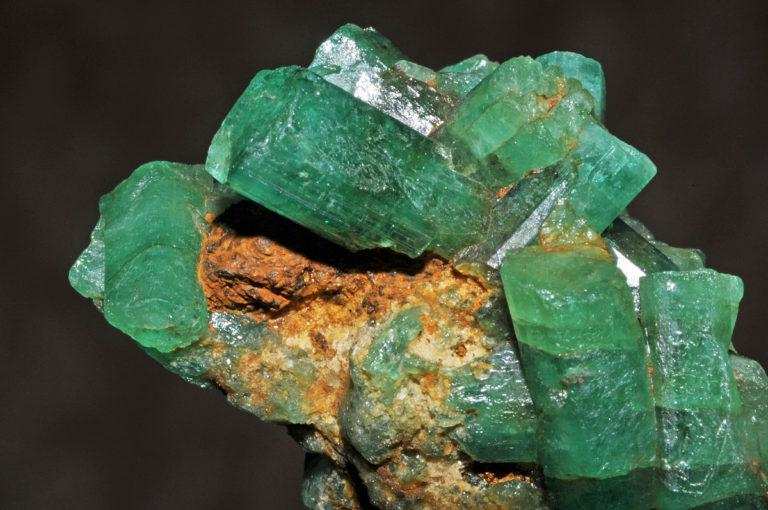
Jaipur. Cutting and polishing diamonds and gemstones is an art. It can only be learned through experience and technical standards. Multiphase inclusions play a crucial role in identifying emerald gemstones. They provide information about the origin of that emerald. Gem experts look for three-dimensional fissures inside the emerald. This reveals whether the emerald is from Colombian mines, Brazilian mines, or the Zambian region. This is how they are identified.
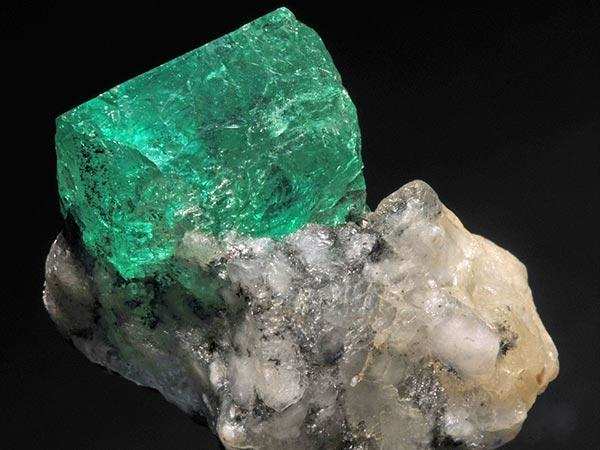
It is important to note that special microscopes are used to observe these multiphase inclusions. It should be noted that emeralds are primarily green in color, and this color is due to the presence of elements like chromium and vanadium. Furthermore, most emeralds are obtained from coal mines, and the most valuable and impactful emerald gemstones are found in Colombia, USA. To address surface fissures, they are oiled, which further improves their structure.
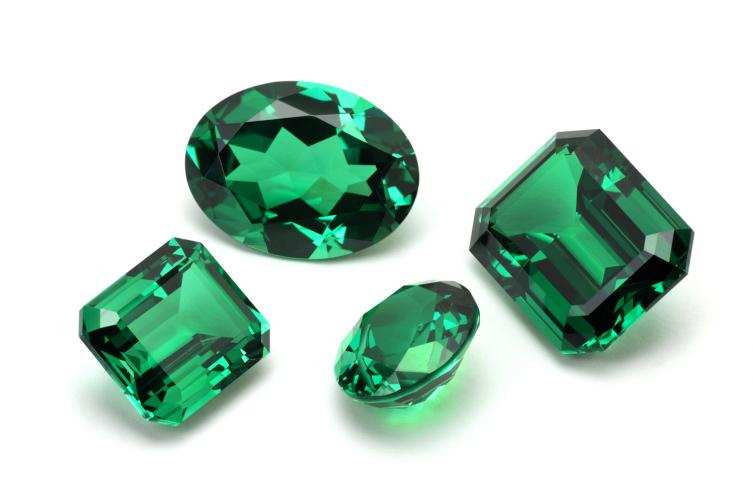
It is worth mentioning that the quality of an emerald gemstone is determined by 4 criteria: color, cut, clarity, and carat. The Carlsbad Gem Laboratory obtained a 9.02-gram emerald, which was found in the Costa Mesa mine in California.