Editor’s Note
This article examines the sharp decline in local sales for Hong Kong’s leading jewelry retailers, reflecting broader challenges in the city’s retail sector. The financial results cited highlight the significant pressures these companies faced during the period.
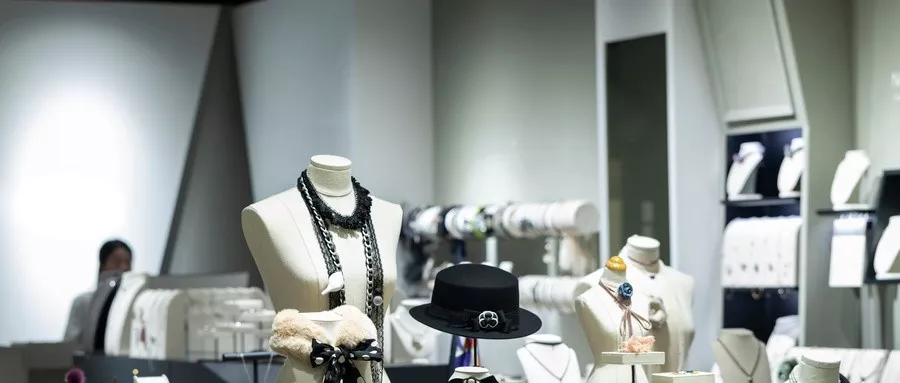
Chow Tai Fook, Chow Sang Sang, Luk Fook Holdings, and Tse Sui Luen are collectively known as Hong Kong’s four major jewelers. In many mainland Chinese cities, these brands are also frequent tenants in shopping malls.
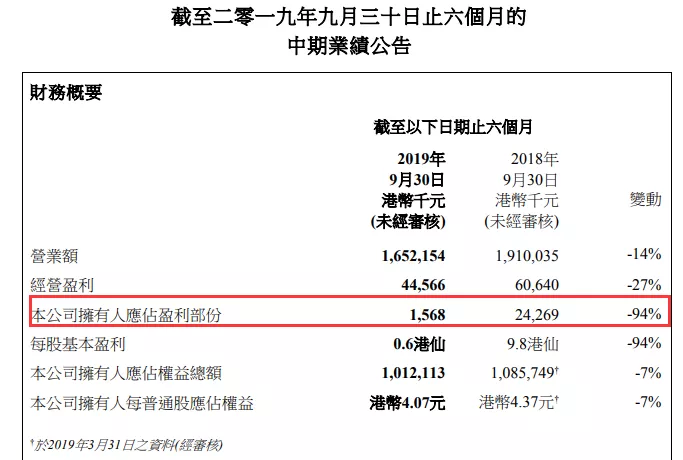
In recent months, Hong Kong’s retail industry, including jewelry, has been severely impacted. On November 19, Tse Sui Luen (00417.HK) announced its interim results for the period ended September 30, 2019. Revenue fell approximately 14% year-on-year to HK$1.652 billion, while net profit plummeted 94% year-on-year to HK$1.568 million. Tse Sui Luen attributed the decline to the macroeconomic environment and a decrease in tourist arrivals to Hong Kong.
On the 19th, Tse Sui Luen released its interim results for the six months ended September 30, 2019. During the reporting period, Tse Sui Luen’s consolidated revenue was HK$1.652 billion, a year-on-year decrease of 14%; profit attributable to owners of the company was HK$1.568 million, a year-on-year plunge of 94%. Basic earnings per share also fell nearly 94% year-on-year to only HK$0.006, with no interim dividend declared.
What does a net profit of HK$1.56 million mean? A report from real estate services firm Cushman & Wakefield shows that the rent for Russell Street in Hong Kong’s Causeway Bay, the world’s most expensive retail location, is US$2,800 per square foot (approximately 0.09 square meters), equivalent to HK$240,000 per square meter. If you rent a 10-square-meter shop here, the monthly rent would be as high as HK$2.4 million. In other words, Tse Sui Luen’s net profit for six months is not enough to cover the monthly rent for a 10-square-meter shop in Causeway Bay.
Consequently, revenue in the Hong Kong region fell by 23.9%, with same-store sales declining by 26.4%.
Tse Sui Luen’s sales performance in mainland China was also unsatisfactory, with revenue during the period decreasing by 8.5% year-on-year and same-store sales declining by 7.5%.
Regarding the reasons for the performance decline, Tse Sui Luen primarily attributed it to the macroeconomic environment and a reduction in tourist arrivals to Hong Kong. Moving forward, Tse Sui Luen stated it will continue to optimize its store network and implement more cost-saving measures. For the mainland market, Tse Sui Luen will continue to refine its online strategy to further expand online and offline business opportunities. During the reporting period, the total number of Tse Sui Luen stores in mainland China increased by a net 448.
In addition to Tse Sui Luen, another jewelry giant, Chow Tai Fook, also saw a significant drop in revenue in Hong Kong.
On October 15, Chow Tai Fook announced its operational data for the second quarter of the 2020 fiscal year (July to September 2019): retail sales value in the mainland market increased by 4% year-on-year, while retail sales value in the Hong Kong and Macau markets decreased by 35% year-on-year. Chow Tai Fook also announced that due to the rise in international gold prices, the market value of its gold loans has increased. It is expected to incur unrealized losses of HK$8 to 10 billion in the first half of the 2020 fiscal year, which may pressure its interim results.
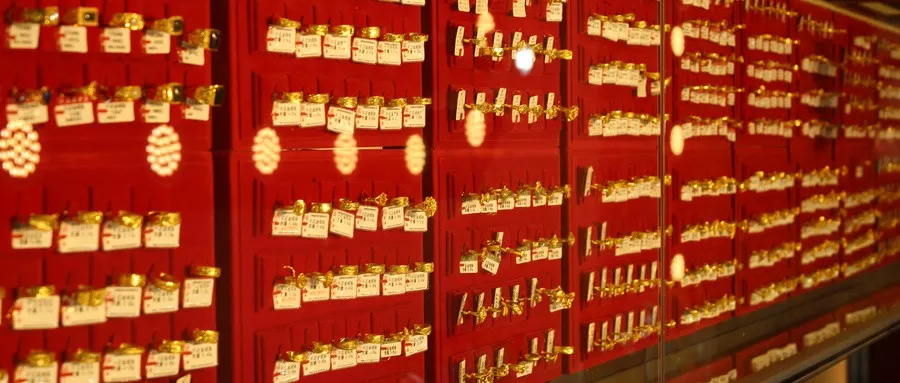
For a long time, a significant portion of Hong Kong’s retail industry has relied on inbound tourists. Consequently, after social incidents led to a sharp decline in tourist arrivals, retail figures followed suit with repeated drops.
On October 27, Hong Kong’s Financial Secretary, Paul Chan Mo-po, stated in a blog post that social unrest had troubled Hong Kong for over four months, with various industries bearing immense costs and Hong Kong’s economy suffering comprehensive blows. He could not rule out the possibility of negative economic growth for the full year. Regarding retail, some shops reported being forced to close for half a day or even a full day frequently over the past few months. The decline in retail sales volume expanded from 13.1% in July to 25.3% in August, the largest single-month year-on-year drop on record.
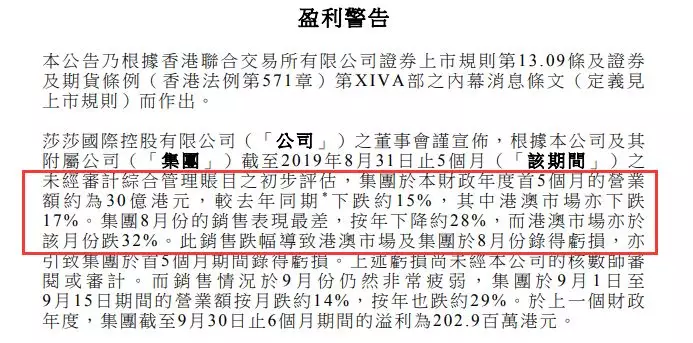
On September 18, Sa Sa International (00178.HK), one of Hong Kong’s major retailers, announced that its turnover for the five months ended August 31, 2019, was approximately HK$3 billion, a decrease of about 15% compared to the same period last year, with the Hong Kong and Macau markets down 17%. Among these, sales performance in August was the worst, falling about 28% year-on-year, with the Hong Kong and Macau markets down 32%. This sales decline led to losses in the Hong Kong and Macau markets and for the group in August, also resulting in a loss for the group during the first five months.
Sa Sa International’s sales situation remained very weak in September, with turnover from September 1 to September 15 falling about 14% month-on-month and about 29% year-on-year. The main reason for the group’s performance decline was weak sales performance in its core market, Hong Kong, due to a sharp drop in mainland Chinese visitors to Hong Kong and reduced consumer willingness, which in turn hurt sales.
On October 16, 360 Bonjour (02360.HK) issued an announcement stating that as of October 13, 2019, as many as 59 “360 Bonjour” retail stores had been damaged during recent social movements in Hong Kong.
According to a Securities Times report in September, due to escalating violence leading to continuously decreasing customer traffic, Italian luxury brand Prada will close its flagship store at Plaza 2000 on Russell Street in Hong Kong. The seven-year lease is set to expire next June, and both parties have decided not to renew. It is reported that this is Prada’s largest flagship store in Hong Kong, covering an area of 1,393 square meters with a daily rent of HK$300,000, meaning the annual rent is as high as HK$1.08 billion, highlighting the staggering cost of rent in Hong Kong’s core commercial districts.
The next two months are the “golden period” for the retail industry in a year, with Christmas, New Year’s Day, and the Lunar New Year following closely one after another. According to China News Service, Cai Zongjian, Chairman of the Hong Kong Retail and Wholesale Employees Association, frequently communicates with merchants in the market. The industry is generally pessimistic.
He admitted that these three holiday periods are exceptionally critical. If the social atmosphere and operating conditions remain unchanged, the retail industry will face a wave of “store closures” and “layoffs.”