Editor’s Note
This article highlights a significant regulatory shift in India’s diamond industry, where new BIS standards now restrict the term “diamond” to natural stones only, requiring clear labeling for lab-grown alternatives. This move aligns India with international norms and aims to enhance transparency for consumers.
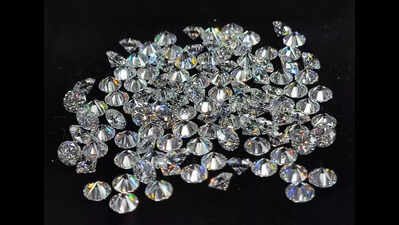
Surat: The Bureau of Indian Standards (BIS) has notified new diamond standards aligned with global practices, clearly defining that the term “diamond” will apply only to natural diamonds. Laboratory-grown stones must now be explicitly disclosed using approved terminology — “laboratory-grown diamond” or “laboratory-created diamond”.
The notification prohibits the use of misleading or outdated descriptors such as “fake” or “artificial” for laboratory-grown diamonds. It also mandates full disclosure of any treatments and lays down precise definitions to prevent consumer confusion. Under the new norms, abbreviations such as “lab grown”, “lab created”, “lab diamond” or “LGD” will not be permitted.
The standards also specify treatment processes such as Chemical Vapour Deposition (CVD) and High Pressure High Temperature (HPHT), ensuring transparency in how diamonds are produced.
According to the Gem and Jewellery Export Promotion Council (GJEPC), the newly introduced IS 19469:2025 is a modified adoption of the international standard “ISO 18323:2015 – Jewellery – Consumer Confidence in the Diamond Industry”. The move aims to strengthen consumer trust, bring clarity in nomenclature, and align India’s diamond trade with international norms.
Developed under the BIS MTD 10 Committee, the revised Indian Standard provides comprehensive terminology and disclosure requirements covering natural diamonds, laboratory-grown diamonds, treated diamonds, composite stones and imitations. By defining acceptable and prohibited terms, the standard seeks to eliminate ambiguity and ensure consumers are fully informed about the products they purchase.
BIS formulated and notified the standards following an initiative by GJEPC and extensive consultations with the Ministry of Consumer Affairs.
India’s jewellery sector, valued at nearly $80 billion in FY24, is projected to grow to $225 billion by FY35, reflecting robust domestic demand. The country has already emerged as the world’s second-largest diamond jewellery market, overtaking China, with the segment currently valued at around $10 billion. Diamond jewellery demand in India is expected to double by 2030.
Similar standards have been in place globally for several years.