Editor’s Note
This article discusses LVMH’s landmark $16.2 billion acquisition of Tiffany & Co., the largest transaction in luxury goods history.
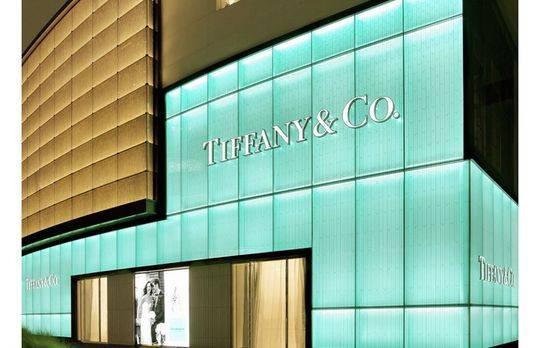
On November 25, LVMH Moët Hennessy Louis Vuitton, the world’s largest luxury goods company, acquired U.S.-based jeweler Tiffany & Co. for $16.2 billion, marking the largest luxury goods transaction to date.
Both Tiffany and LVMH confirmed in October that they were in merger talks, following an initial unsolicited offer of $14.5 billion from Paris-based LVMH. This initial offer already represented a premium over Tiffany’s share price at the time.
On the day the acquisition was announced, Tiffany’s stock price surged past $130, closing up 31.63% for the day, boosting the company’s market value to approximately $15.7 billion.
Arnault has long coveted the business since acquiring Bulgari for $5.2 billion in 2011.
According to announcements from both companies, the transaction is expected to be completed in mid-2020.
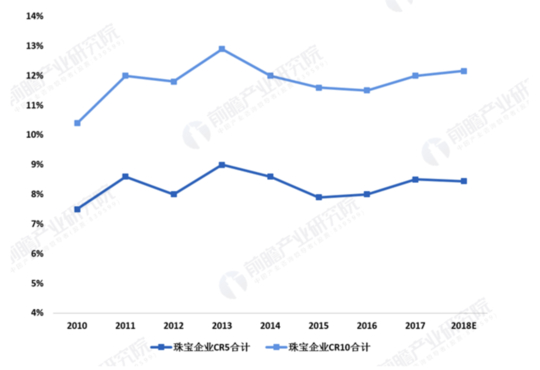
Data from Euromonitor shows that in 2018, the global jewelry market reached $356.4 billion, a year-on-year increase of 4%, with a compound annual growth rate (CAGR) of 6.18% from 2004 to 2018. The market size is projected to reach $398.3 billion by 2020.
Within this, the Chinese market is valued at nearly 700 billion yuan. The domestic jewelry market has formed a tripartite competitive landscape among mainland Chinese brands, Hong Kong brands, and international brands. The high-end segment is primarily dominated by internationally renowned jewelry brands such as Tiffany, Cartier, and Bvlgari.
The acquisition of Tiffany by LVMH reflects the broader trend of scarce luxury resources consolidating towards industry leaders.
Founded in 1837, Tiffany is a renowned name in the jewelry world. However, in recent years, its sales and profits have declined due to factors such as adjustments in China’s consumption tax and tariffs from the U.S.-China trade war. The company is currently undergoing product adjustments to adapt to evolving consumer patterns.
LVMH already owns jewelry and watch brands such as Bulgari, Chaumet, TAG Heuer, and Hublot. The addition of Tiffany will bolster LVMH’s position to compete with rival Richemont, which owns brands like Cartier. Tiffany’s acquisition will also enhance LVMH’s standing in the crucial U.S. market.
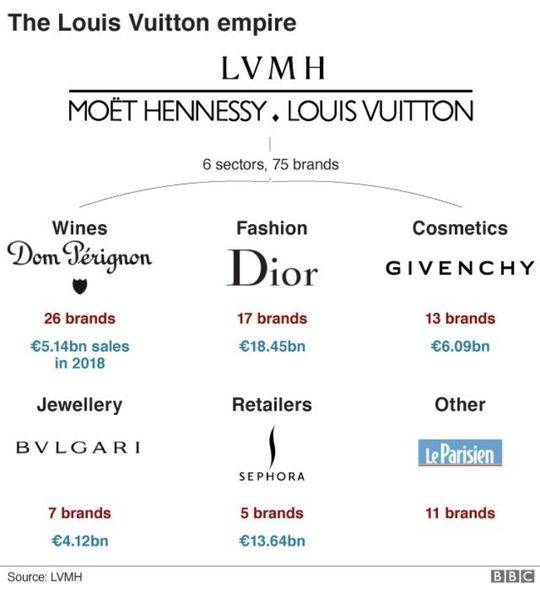
LVMH Group boasts a portfolio of 75 brands, employs 156,000 people, and operates over 4,590 stores worldwide.