Editor’s Note
This article examines the profound disruptions caused by the COVID-19 pandemic to global manufacturing and logistics in 2020-2021, highlighting cascading effects on supply chains and international trade.

The Coronavirus pandemic temporarily grounded production cycles, disrupted global supply chains, and brought the transportation industry to a grinding halt in 2020 and early 2021. This led to the shutdown of major raw material exporters like China, Bangladesh, Vietnam, and India, stalling international logistics. The movement of raw materials, finished products, and non-essential retail stalled, resulting in the postponement and cancellation of orders worth billions and delayed payments.
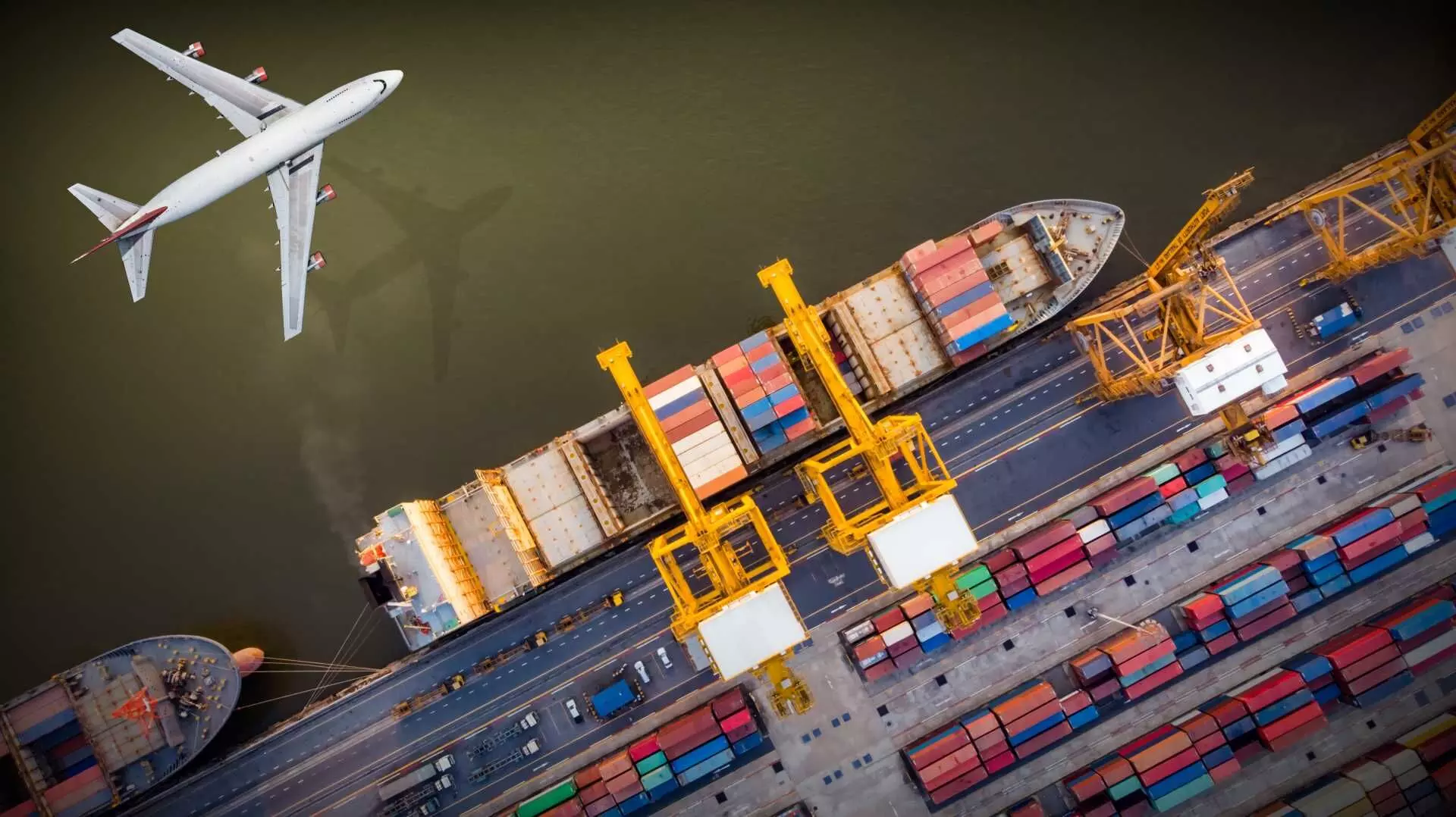
As supply chains slowly recovered, significant shifts occurred. Fashion logistics that typically relied on sea routes increasingly turned to air transport. The disruption also accelerated trends like inventory decentralization, digitalization, sustainability, and slow fashion.
Christoph Scheithe, Key Account Manager and host of the PlanetLogistics platform and ‘Joy of Logistics’ Podcast, told The STAT Trade Times:
He further explained:
Air cargo became a vital, reliable option for the fashion industry, especially for sudden demand surges, time-critical, valuable, and delayed orders.
Ed Gillett, Director and Cofounder of digital air cargo charter firm CharterSync, stated:

As global supply chains normalized, fashion merchandise has been moving back to ships. With air cargo markets under increased pressure in 2023 due to macroeconomic and geopolitical factors, yields and revenues are expected to weaken compared to 2022. For instance, leading retailer Victoria’s Secret has reportedly shifted from air to sea freight to reduce costs.
According to the International Air Transport Association (IATA), global air cargo volumes are slated to decline by 4% in 2023, following an 8.1% fall in 2022. Revenues are expected to be $149.4 billion. Yields are expected to decrease as passenger market recovery increases belly capacity, though e-commerce continues to benefit the sector.
Akhil Duggar Jain, Executive Director of Jain Amar Clothing Pvt Ltd (owner of the Madame brand), highlighted the challenges of demand and production volatility. He told the publication: