Editor’s Note
This article explores the profound connection between autumn’s signature skies and the artistry they inspire, from the canvases of masters like Monet to the enduring allure of the blue sapphire—a gemstone that captures the season’s essence in crystalline form.
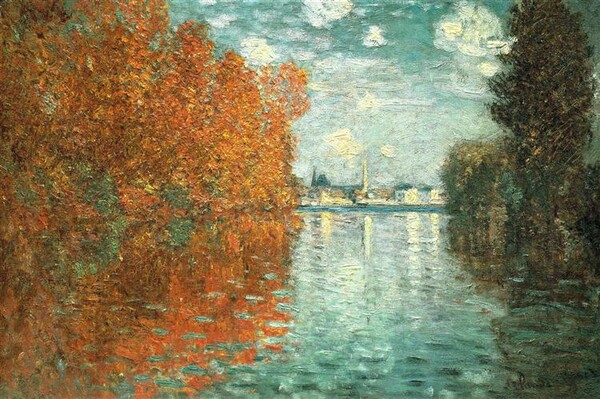
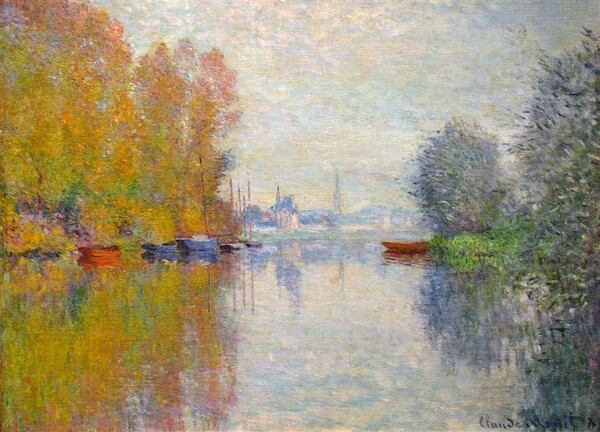
Autumn skies become poetry and paintings. The image of the sky is a symbol of the season. For painters, the sky of this season is also special. Claude Monet, in ‘Autumn Landscape at Argenteuil’, depicted the autumn sky unfolding over golden fields, completing a symphony of light and color. The clarity of the high, clear sky, and the tranquility and purity within it, cleanse the viewer’s heart. The gem that most perfectly holds that clear blue color is the blue sapphire.
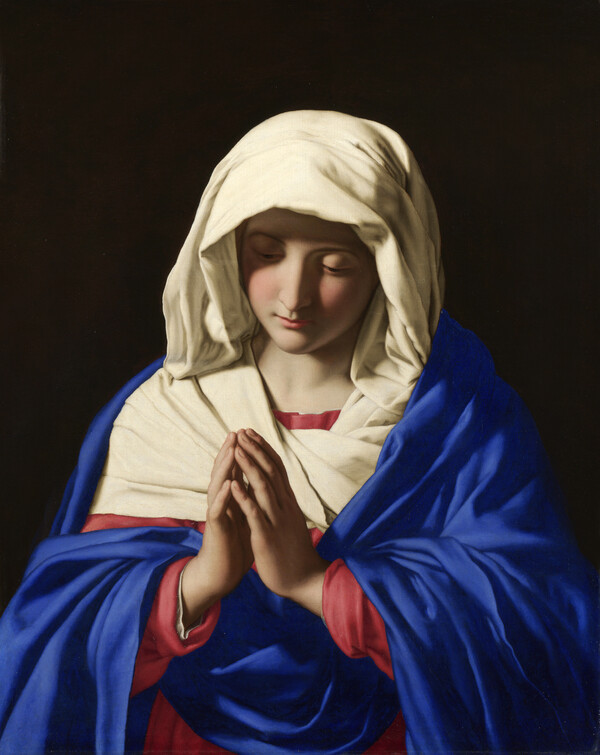
In human history, the color blue has always been special. In ancient Egypt, blue was considered the color of the gods and adorned the crowns and jewelry of pharaohs. Medieval European painters depicted the Virgin Mary’s robes in deep blue to express piety and sublimity. The infinite blue shown by the sea and sky evokes awe in humans, and the gem containing that color, the blue sapphire, became a symbol of cosmic order and eternity.
Psychologically, blue symbolizes stability, tranquility, and trust. If red stimulates instinctive passion and life, blue leads to contemplation and concentration, deeply quieting the human inner self. That’s why people are instinctively fascinated in front of the color blue. In particular, the deep blue of a blue sapphire possesses a power that goes beyond mere visual stimulation to draw out mental balance and purification.
Perfect blue is extremely rare in nature. Apart from flowers, bird feathers, the sky, and the sea, blue was a color not easily obtainable by humans. Therefore, for a long time, lapis lazuli or indigo dye were traded as resources more expensive than gold. The reason blue sapphire established itself as the ‘king’s gem’ is also due to this scarcity. Humans, longing for a lacking color, sought to materialize the unreachable blue of the sky into a gem.
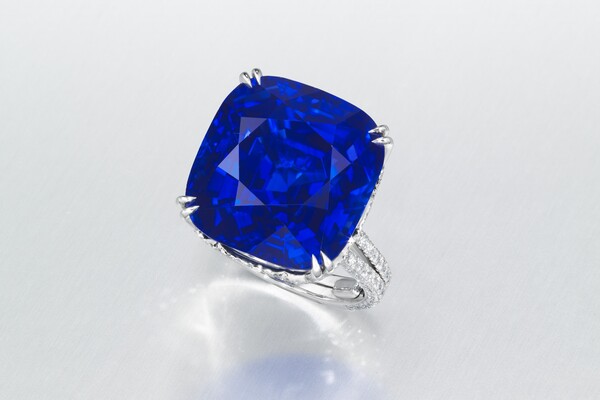
Sapphire is a type of mineral called corundum, which gains its deep blue color from trace amounts of iron and titanium. It is a strong gem with a Mohs hardness of 9, second only to diamond (10). Due to the harmony of its transparency and color, it has been called the ‘gem of the gods’ by royalty and clergy since ancient times.
The allure of blue sapphire does not stop at its blue color. Depending on its origin, it reveals subtly different colors such as Royal Blue, Cornflower Blue, and Velvet Blue, and its mysterious spectrum gives a deep resonance to the viewer.
Particularly, the world-famous Kashmir sapphire, discovered in the Himalayas in the late 19th century, has been called ‘Velvet Blue’. Its subtle, misty blue hue earned it a legendary status.
Today, Kashmir sapphires are no longer mined and are sometimes traded at prices exceeding diamonds in auction markets. High-quality sapphires are also produced in Sri Lanka (Ceylon), Myanmar (Burma), and Madagascar, each possessing subtly different colors, offering special charm to collectors.
Artists and thinkers like Monet explored blue so deeply perhaps because this color symbolizes cosmic order and eternity, evoking fundamental questions about human existence. The blue sapphire, condensing the infinity of the sky, the depth of the sea, and the tranquility of the soul into a single point.