Editor’s Note
This article explores how tokenization is transforming markets by unlocking liquidity for traditionally illiquid assets like real estate and fine art. By enabling fractional ownership, this technology lowers barriers and could reshape investment landscapes.

One of the most immediate impacts of tokenization is its ability to provide liquidity for assets that have historically been difficult to trade. Real estate, fine art, private equity, venture capital, and even luxury collectibles often suffer from illiquidity due to high entry barriers and limited market access.
By tokenizing these assets, they can be fractionalized into smaller, tradable units. For instance, a $10 million commercial building could be divided into 100,000 tokens, allowing an investor to purchase a share for as little as $10,000. This fractional ownership model democratizes access, increases market depth, reduces volatility, and potentially creates more precise price discovery mechanisms.
Tokenized fractional trading also makes it easier for investors to exit positions, eliminating lengthy lock-up periods and allowing capital to flow more freely across markets. This democratization of high-value asset markets could fundamentally alter global investment behavior.
Traditional financial systems are often bogged down by inefficiencies stemming from intermediaries, clearinghouses, and cross-border settlement processes. International payments, securities trades, and corporate financing activities can take days to clear, adding cost and operational complexity.
Blockchain-based tokenization, combined with smart contracts, enables the automation of trade execution and settlement. Smart contracts are self-executing digital agreements that automatically enforce contract terms—such as distributing dividends, paying interest, or transferring ownership—once predefined conditions are met.
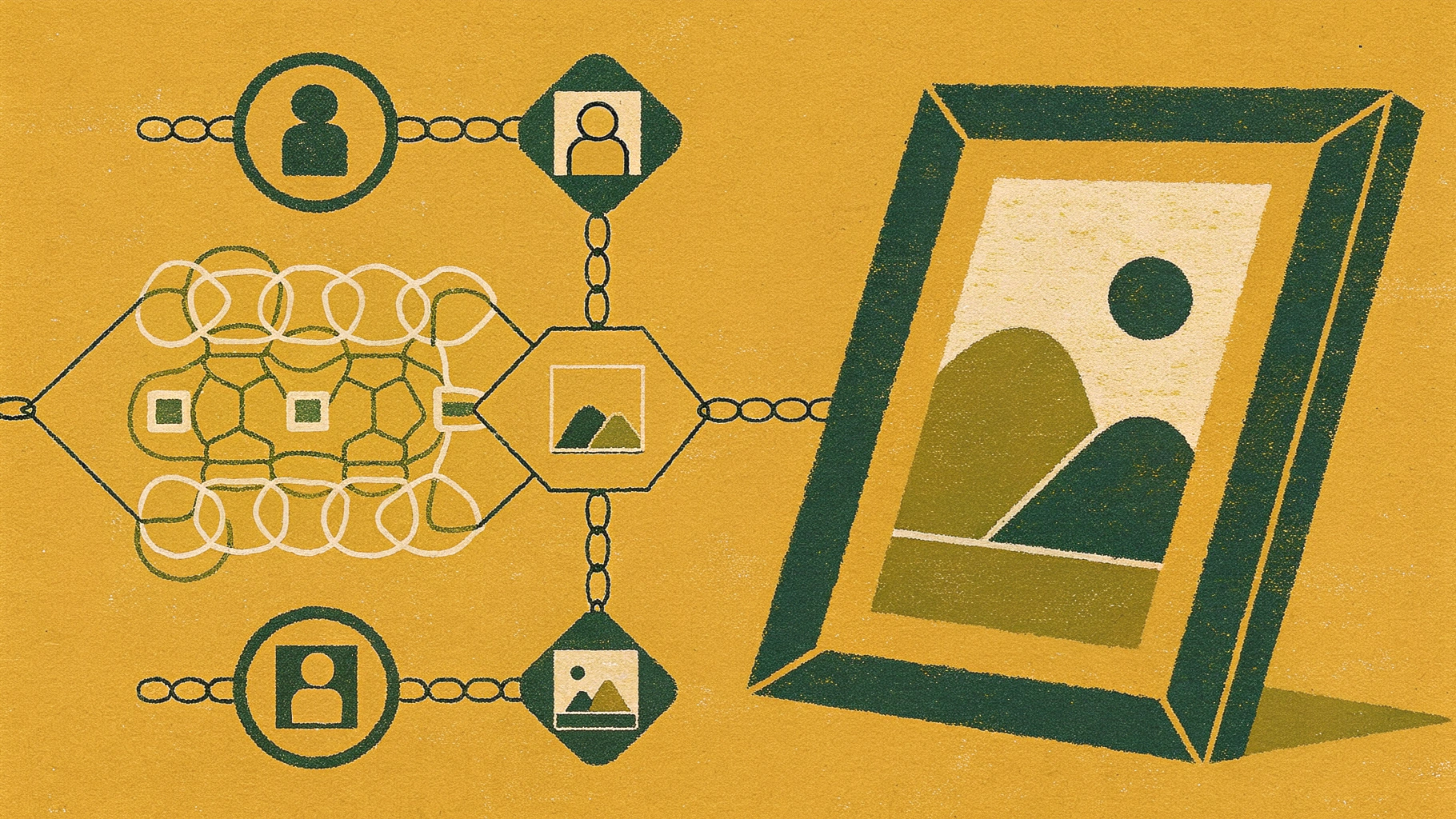
For example, in securities trading, tokenized shares could be traded and settled almost in real-time, bypassing traditional clearinghouses. This not only reduces settlement risk but also lowers transaction fees and operational costs. Faster transaction speeds also enhance market efficiency, allowing capital to move more smoothly across global markets.
Tokenized assets carry detailed, immutable records on the blockchain. Every transaction, ownership transfer, and asset history is recorded transparently, providing unparalleled visibility for regulators, auditors, and investors.
This transparency helps mitigate risks such as fraud, double-spending, and unauthorized transfers. For instance, a tokenized bond could provide regulators with real-time insights into ownership distribution and market activity, streamlining compliance and audit procedures.
Furthermore, the traceability of blockchain transactions boosts investor confidence, particularly in emerging markets where trust in traditional financial systems may be lower. Transparent record-keeping fosters accountability, builds trust, and ultimately enhances market integrity.
Tokenization removes geographical and economic barriers, opening investment doors to a global audience. Traditionally, investing in private equity, commercial real estate, or venture capital often required significant capital and local intermediaries. Tokenization allows investors worldwide to participate in these markets via digital wallets and blockchain platforms.

For example, a European investor could purchase fractional tokens in a U.S. real estate development project without needing a local bank account, intermediary, or cumbersome paperwork. Tokenization lowers minimum investment thresholds, promotes financial inclusion, and makes high-value markets accessible to a broader population.
This global reach also attracts new capital to previously underserved or underfunded markets, stimulating economic growth in emerging economies and creating a more interconnected global financial ecosystem.
Tokenization opens the door to novel and complex financial products that are difficult to implement in traditional markets. These include tokenized derivatives, programmable debt, synthetic assets, and other decentralized finance (DeFi) instruments.
Programmable financial products can automate complex operations such as yield distribution, risk hedging, or collateral management. For example, a tokenized mortgage could automatically adjust interest payments based on market conditions, or a tokenized derivative could execute payouts based on predefined metrics.
These innovations not only improve risk management but also open up entirely new ways to invest, borrow, and lend. Consequently, tokenization creates opportunities for both retail and institutional investors to explore financial instruments with greater flexibility, transparency, and efficiency than traditional systems allow.

Tokenization represents a paradigm shift in global finance. By unlocking liquidity, accelerating transactions, enhancing transparency, expanding access, and fostering innovative financial instruments, tokenization has the potential to reshape markets at every level.
As regulators, investors, and financial institutions increasingly embrace tokenized assets, financial markets are poised to become more efficient, inclusive, and resilient. Ultimately, tokenization bridges the gap between traditional finance and the digital economy, paving the way for a future where assets are more accessible, markets are more transparent, and financial innovation knows no bounds.